Roof Flashing Around Chimneys and Skylights: What Keeps Water Out?
Roof Leak Prevention
Roof Flashing Around Chimneys and Skylights: What Keeps Water Out?
Roof flashing protects the places where an otherwise continuous roof surface is interrupted by a chimney, skylight, wall, vent, valley, or another transition. These details may take up only a small part of the roof, but they play an important role in directing water back onto the roofing surface and away from the structure below.
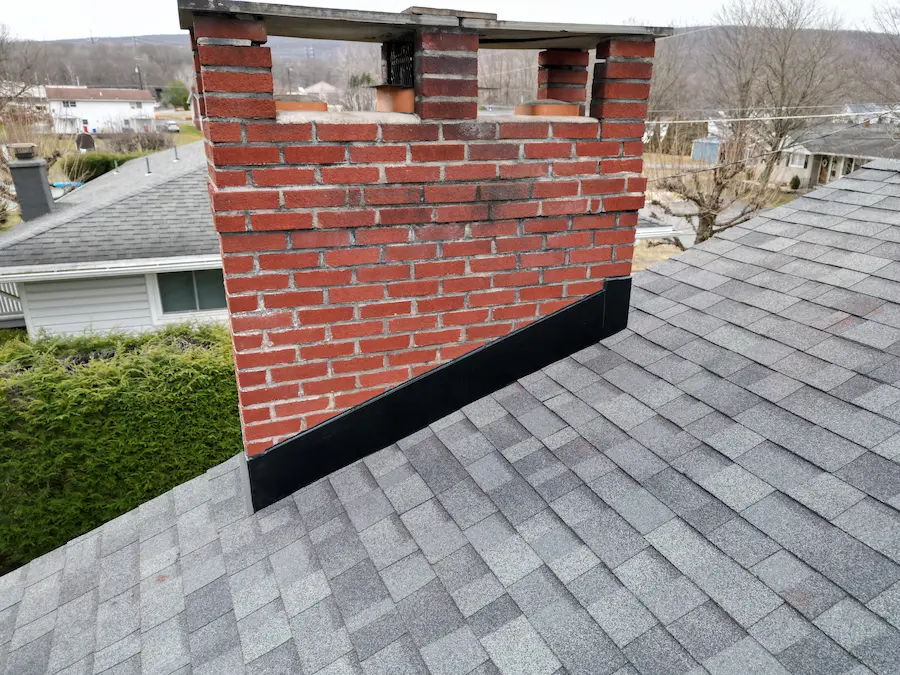
Roof flashing is installed where shingles or other roofing materials meet chimneys, walls, skylights, valleys, vents, and other interruptions. A properly designed flashing detail manages water through overlapping materials. Sealant can have legitimate uses, but it should not be expected to replace the flashing system itself.
In This Article
Water Management
What Is Roof Flashing?
Asphalt shingles work by overlapping one another so rain moves down the roof and toward the eaves.
That simple drainage pattern changes when the roof reaches a chimney, sidewall, skylight, plumbing vent, valley, or another obstruction.
Flashing is used at these locations to continue directing water even though the normal shingle pattern has been interrupted.
Shingles handle the open areas of the roof. Flashing handles many of the transitions where the open roof stops.
Proper flashing depends on the roof covering, the adjoining material, roof slope, the type of penetration, and the specific detail being constructed.
Roof Transitions
Why Are Flashing Areas More Vulnerable to Leaks?
Water traveling across an uninterrupted roof surface generally has a clear path downhill.
When that water reaches a chimney or wall, it has to be redirected around the obstruction while keeping water from entering the joint between the two materials.
These areas can also involve materials that move differently as temperatures change. Wood framing, masonry, metal flashing, roofing materials, and skylight components do not necessarily expand and contract in exactly the same way.
That is one reason flashing details should be designed to manage water through their construction rather than relying only on a surface bead of sealant.
Chimney Details
How Does Chimney Flashing Keep Water Out?
A chimney creates one of the more complicated transitions on a typical asphalt shingle roof because water approaches it from above and must be redirected around both sides before continuing below it.
The flashing detail therefore changes depending on which side of the chimney is being addressed.
On the Olyphant roof shown above, the chimney is exactly the type of transition we pay close attention to during a roof replacement. Installing good shingles around a poor chimney detail would still leave one of the roof's most important water-management areas unresolved.
Two-Part Protection
Step Flashing and Counterflashing Do Different Jobs
These two terms are often used together, but they describe different parts of the flashing assembly.
Step Flashing
Step flashing consists of individual pieces of flashing installed with the shingle courses along a roof-to-wall or roof-to-chimney transition.
The pieces overlap as they move up the roof, creating another water-shedding layer within the shingle system.
Counterflashing
Counterflashing covers and protects the upper portion of the flashing detail where the roof meets masonry or another vertical surface.
Together, the components allow the roofing and wall or chimney detail to shed water without depending on one exposed joint to remain permanently sealed.
Good flashing works because the pieces overlap in the direction water travels—not because water is expected to stop at a bead of caulk.
Upslope Water
What Happens to Water Behind a Chimney?
The upslope side of a chimney deserves special attention because runoff approaching from higher on the roof reaches a vertical obstruction.
The roofing and flashing must move that water toward the sides of the chimney so it can continue down the roof.
Depending on chimney width, roof slope, construction, and applicable requirements, the design may incorporate a back-pan, saddle, cricket, or another detail intended to divert water.
Chimney width, location, roof pitch, nearby roof sections, masonry conditions, and local requirements can affect the correct detail. That is why a chimney should be evaluated as part of the actual roof rather than repaired from a generic diagram alone.
Skylights
A Skylight Should Be Flashed as a Water-Shedding System
A skylight creates another four-sided opening in the roofing system.
The correct flashing depends on the skylight, whether it is deck-mounted or curb-mounted, the roofing material, and the roof slope.
VELUX, for example, makes different flashing kits for shingles, tile, metal, and other applications. Its shingle flashing systems use step pieces that interweave with the roofing material so water can move around the skylight and continue down the roof.
VELUX specifically states that its flashing kits are designed to shed water without relying on sealants that can break down over time.
A skylight should not be treated like a hole in the roof that simply needs caulk around the perimeter.
The skylight, underlayment, flashing kit, roof covering, and surrounding drainage pattern all need to work together.
Other Details
Flashing Is Used in More Places Than Chimneys and Skylights
Chimneys are one of the most recognizable flashing locations, but they are only one part of the roof.
Low-slope roofing has its own flashing requirements as well. Our flat roof maintenance guide for Scranton homeowners explains why walls, penetrations, drains, and membrane transitions deserve regular attention.
Common Repairs
Why Isn't Caulk Alone a Proper Flashing Repair?
Sealants absolutely have legitimate roofing uses.
Certain fasteners, terminations, laps, accessories, and manufacturer details may call for a specific compatible sealant.
The problem comes when exposed sealant becomes the main thing keeping water from entering a transition that should have been properly flashed.
Sealant is exposed to weather, ultraviolet light, movement, temperature changes, and aging. When it is covering an incorrect detail rather than supporting a correct one, the underlying problem remains.
We look at whether the flashing itself is directing water correctly before deciding that another layer of sealant is the answer.
That is especially important on an older roof where several previous repair attempts may already be covering the original flashing.
Roof Replacement
Should Existing Flashing Be Reused During a Roof Replacement?
Existing flashing should not automatically be assumed good simply because it was already on the house.
During a tear-off, the flashing can be evaluated for corrosion, deterioration, physical damage, improper sizing, questionable previous repairs, and whether the detail is appropriate for the new roofing system.
Manufacturer guidance illustrates why this matters. GAF states that some metal flashing may be reusable when it remains in like-new condition and is properly sized, but the manufacturer recommends replacing metal flashing whenever possible.
Removing old roofing also creates an opportunity to inspect areas of the roof deck that were previously covered by shingles and flashing.
A new roof should not inherit an old flashing problem simply because the metal was already there.
This is one of the reasons we favor a complete roof replacement approach that allows the existing roofing system and underlying conditions to be evaluated during the project.
If moisture has been entering around a transition for an extended period, our upcoming guide to rotted roof decking and damaged sheathing explains what can happen below the visible roof surface.
Warning Signs
What Are the Signs of a Roof Flashing Problem?
Flashing problems are not always obvious from the ground, but there are conditions that may justify a closer inspection.
Leak Diagnosis
A Leak Near a Chimney Does Not Automatically Mean the Flashing Failed
The location of an interior stain is useful evidence, but it does not by itself identify the exact exterior entry point.
Water can enter higher on the roof and travel along decking, framing, or other materials before becoming visible inside.
Chimneys also contain masonry, mortar joints, crowns, caps, and other components in addition to the roof flashing.
For that reason, diagnosing a leak near a chimney should involve evaluating the surrounding roof and chimney conditions rather than automatically covering the visible flashing with roof cement.
The same principle applies to skylights. Water appearing around a skylight can involve roofing, flashing, the skylight itself, condensation, or another condition that needs to be identified.
If water is actively entering the house, our upcoming guide to what to do during an emergency roof leak explains the immediate steps homeowners can take.
Preventive Maintenance
Flashing Is Worth Checking Before It Becomes a Leak
Flashing is one of the areas worth reviewing when an older roof is being inspected.
Chimneys, skylights, sidewalls, pipe boots, previous repairs, and other transitions can often be evaluated before an interior leak develops.
This does not mean every older flashing detail needs immediate replacement. It means those details deserve attention because they handle some of the more complicated water paths on the roof.
Our roof tune-up before winter guide explains how flashing fits into a broader roof inspection.
FAQs
Questions About Roof Flashing
What does roof flashing do?
Roof flashing helps direct water where the normal roofing surface is interrupted, including around chimneys, skylights, walls, valleys, plumbing vents, and other roof transitions.
What is step flashing?
Step flashing consists of individual pieces installed with successive shingle courses along a roof-to-wall or roof-to-chimney transition. The pieces overlap as they move up the roof to help direct water onto the shingles below.
What is counterflashing?
Counterflashing protects the upper portion of a base or step flashing detail where the roof meets a vertical surface such as a masonry chimney. It is part of the overall water-shedding assembly.
Can you fix chimney flashing with caulk?
Sealant has appropriate roofing uses, but it is not a substitute for a properly constructed flashing assembly. If the metal flashing is improperly installed, deteriorated, or missing, simply applying more sealant may not correct the underlying problem.
Does a skylight need step flashing?
The correct flashing depends on the skylight, mounting style, roofing material, and roof slope. For example, VELUX uses step-flashing systems for many deck-mounted and curb-mounted skylights installed with asphalt shingles.
Should chimney flashing be replaced when the roof is replaced?
The existing flashing should at minimum be carefully evaluated. Its condition, material, size, configuration, and compatibility with the new roofing system all matter. Replacing questionable flashing during a tear-off can avoid carrying an existing weak detail into a new roof.
Does a leak beside a chimney always mean the flashing is bad?
No. Flashing is one possible source, but water can travel before becoming visible inside the home, and masonry or other chimney components can also allow moisture entry. The surrounding roof and chimney should be evaluated before deciding on the repair.
Can bad flashing damage roof decking?
Yes. If a flashing problem allows water to repeatedly reach the roof assembly, wood decking and other materials below the roofing can eventually deteriorate. The extent depends on how much moisture entered, how long the condition existed, and the construction below.
Recent Articles
Roofing Advice & Guides
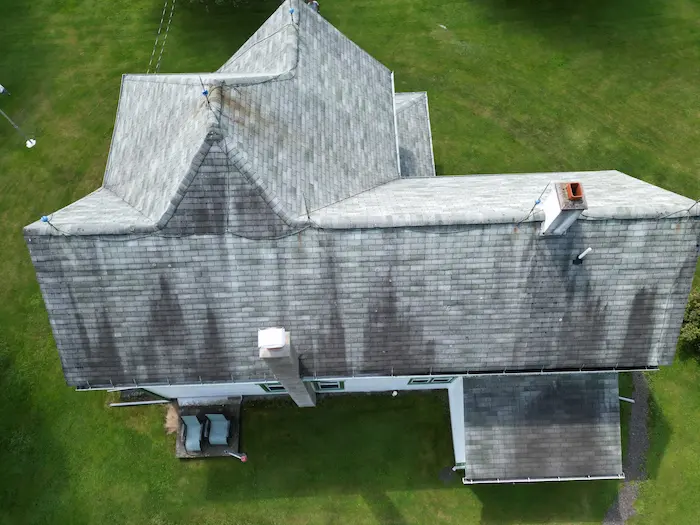
Black Streaks on Roof Shingles: What Causes Them?
Learn what causes black streaks on asphalt shingles, how they should be cleaned safely, and how algae-resistant shingles can help.
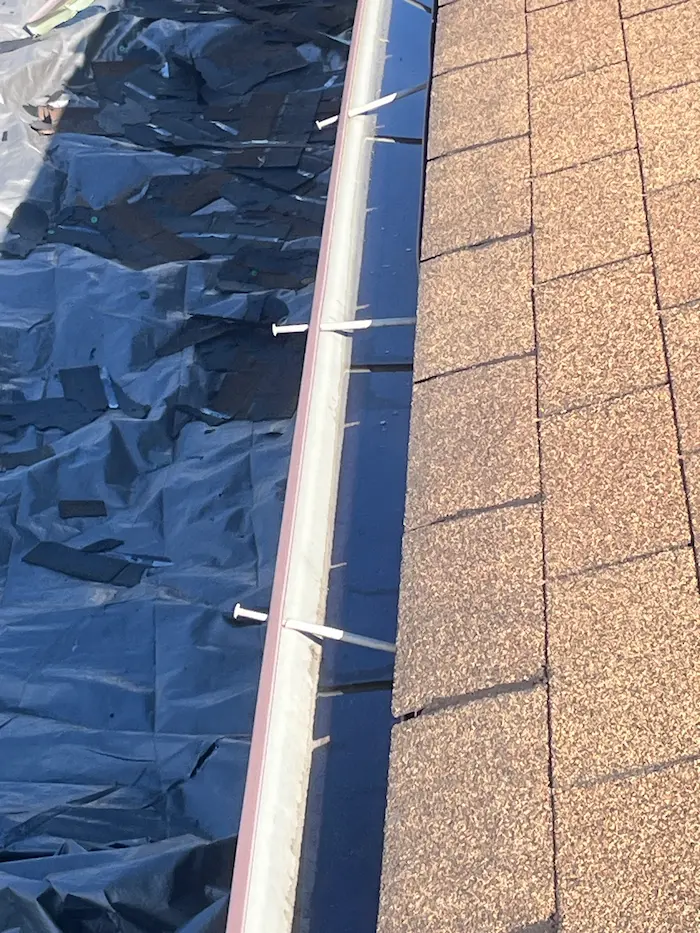
How Clogged Gutters Can Cause Hidden Water Damage
See how poor gutter drainage can affect fascia, soffits, siding, landscaping, and the area around your home's foundation.
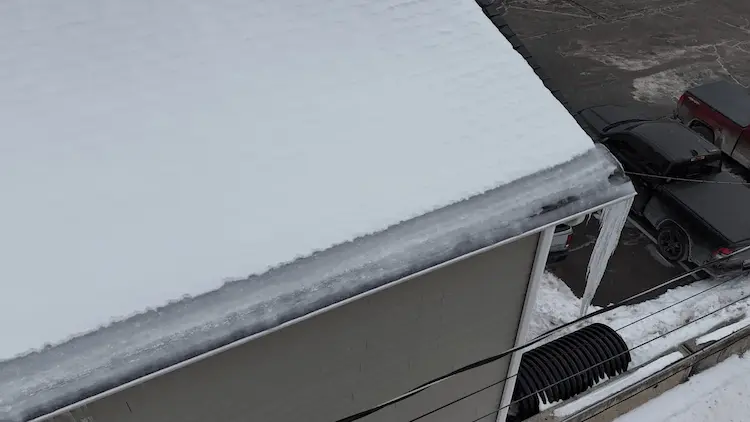
How to Prevent Ice Dams on Your Roof in Northeast Pennsylvania
Learn why ice dams form, how insulation and ventilation affect them, and what homeowners should do when ice builds along the roof edge.
Ready to Talk About Your Roof?
Contact Zenobi Roofing Inc. for roof replacement, roof repair, storm damage inspections, and gutter services throughout Archbald, Scranton, Clarks Summit, the Mid Valley, and surrounding NEPA communities.