
Flat Roof Maintenance: A Guide for Scranton Row Homes and Garages
Low-Slope Roofing
Flat Roof Maintenance: A Guide for Scranton Row Homes and Garages
Flat and low-slope roofs need a different maintenance approach than asphalt shingle roofs. Drainage, seams, flashing, penetrations, surface condition, and the type of roofing membrane all affect how the roof should be inspected and repaired.
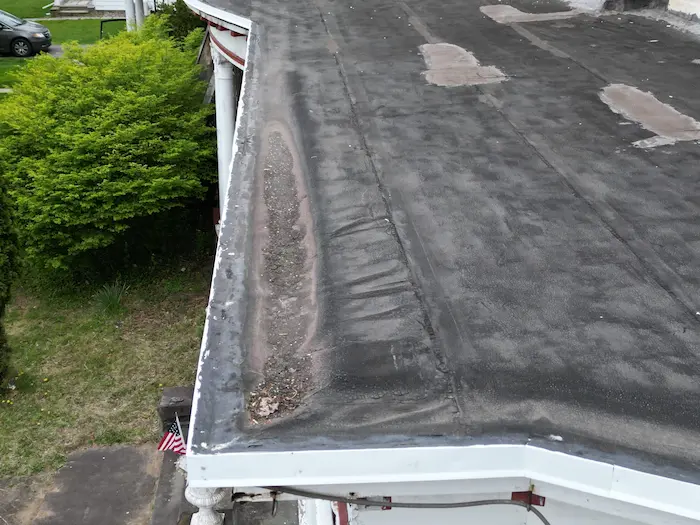
Flat roof maintenance should focus on drainage, seams, flashing, penetrations, surface damage, and areas where water remains after rain or snowmelt. A roof that looks flat should still be designed to move water toward a drain, scupper, gutter, or other drainage point.
In This Article
Roof Drainage
A Flat Roof Should Not Be Completely Flat
The term "flat roof" can be misleading. Residential roofs that appear flat are generally considered low-slope roofs and should still have a way to move water toward a drainage point.
That drainage may lead toward an internal drain, scupper, gutter, or roof edge depending on how the building was designed.
Without adequate drainage, water can remain on the roof surface longer than intended.
A low-slope roof still depends on slope and drainage. The fact that it looks flat from the ground does not mean standing water should simply be ignored.
This is one of the biggest differences between evaluating a low-slope roof and looking at a steep asphalt shingle roof.
Roof Materials
Not All Flat Roofs Use the Same Roofing Material
"Flat roof" describes the general shape of the roof. It does not tell you what roofing system is installed.
Low-slope roofs can use several different types of membranes and roofing assemblies. The correct maintenance and repair method depends on the actual material.
There are other low-slope roof systems as well. Identifying the existing roofing material is an important first step before choosing a repair method.
Standing Water
What Does Ponding Water on a Flat Roof Mean?
Water may temporarily remain on portions of a low-slope roof while the roof is draining or immediately after a storm.
The concern becomes greater when water repeatedly remains in the same area long after surrounding sections have dried.
That condition can point toward a low area, blocked drainage, changes in the roof deck, compressed insulation, structural movement, or another condition affecting the intended drainage path.
Standing water does not automatically mean the entire roof needs to be replaced. The important question is why the water is staying there.
Look for the Cause Before Covering the Symptom
On a low-slope roof, we would rather identify why water is collecting in one area than simply apply another layer of material over the surface.
The problem may involve a blocked drain, a low spot, deteriorated roofing, a flashing detail, or the way the roof was originally pitched.
The membrane manufacturer and roof assembly matter when evaluating prolonged standing water. A condition that is acceptable under one specific roofing system should not automatically be assumed acceptable for every low-slope roof.
Water Management
Drains, Scuppers, Gutters and Downspouts Need to Stay Open
A roof cannot drain properly if the drainage point is blocked.
Leaves, twigs, seed pods, roofing debris, dirt, and other material can collect around drains and along low areas of the roof.
Even a relatively small amount of debris can slow water when it collects directly at the outlet.
Our guide to clogged gutters and hidden water damage explains what can happen when roof runoff no longer reaches the ground through the intended drainage path.
Roof Details
Seams, Flashing and Penetrations Deserve Special Attention
Low-slope roofs contain many of the same vulnerable transition areas found on other roofing systems.
Walls, curbs, vents, pipes, drains, edges, parapets, and equipment penetrations all interrupt the main roof surface.
Carlisle's membrane inspection guidance specifically includes reviewing seams, penetrations, drains, securement, termination, and flashing details.
Seams
Membrane sheets may be joined through adhesives, tapes, heat welding, or other system-specific methods.
Open, loose, damaged, or poorly repaired seams can create a path for water.
Wall and Parapet Flashing
Where the roof turns upward against a wall or parapet, the membrane and flashing need to terminate properly.
Movement or deterioration in these areas can create problems even if the main field of the roof still looks good.
Roof Penetrations
Pipes, vents, drains, equipment curbs, and other penetrations require compatible flashing details.
The more transitions a roof has, the more places there are where careful installation and maintenance matter.
Our upcoming guide to roof flashing and leak-prone transitions will explain why these details matter across different roofing systems.
Membrane Condition
Watch for Cuts, Tears, Punctures and Surface Damage
Unlike an asphalt shingle roof, many low-slope roofs rely on a continuous membrane as their primary weather-resistant surface.
A cut or puncture can therefore create a direct weakness in that membrane.
Damage can occur from dropped tools, sharp debris, later construction work, equipment service, unnecessary foot traffic, or objects dragged across the roof.
Necessary service work may require roof access, but unnecessary traffic can increase the chance of membrane damage. Anyone working around the roof should understand what roofing system is underfoot.
NEPA Winter
Snow and Ice Create Different Concerns on a Low-Slope Roof
Northeast Pennsylvania winters can leave snow on a low-slope roof for an extended period.
As temperatures change, that snow can melt, refreeze, and move toward roof drains and edges.
Debris that was only slowing drainage in the fall can become more significant when snowmelt needs the same drainage path.
Ice can also collect near gutters, scuppers, drains, and roof edges.
Before winter, the goal is not simply to make the roof look clean. It is to make sure water has a clear path off the roof when snow begins to melt.
Avoid Chopping Ice Off the Roof
Striking ice with sharp tools can damage membrane roofing and flashing. Working on a snow- or ice-covered low-slope roof also creates a serious slipping and fall hazard.
If a winter condition requires roof access or ice removal, the approach should protect both the roofing material and the person performing the work.
Our roof tune-up before winter guide covers additional exterior conditions worth checking before cold weather.
Repair Methods
The Correct Flat Roof Repair Depends on the Existing Material
One of the most important things to know about low-slope roof repair is that there is no universal patch material for every roof.
EPDM, TPO, PVC, modified bitumen, coatings, and other roof systems can have different requirements for cleaning, priming, flashing, adhesives, patches, heat welding, and surface preparation.
A product that works on one roof may not be the correct repair material for another.
Identifying the roof membrane should come before deciding what to put on it.
More Roof Cement Is Not Always the Answer
Older low-slope roofs often accumulate layers of patching material around seams, penetrations, and previous leak areas.
Covering a recurring problem with another layer may hide the condition temporarily without correcting the underlying detail.
A proper repair should consider where the water is entering, what roofing system is installed, why the existing detail failed, and which materials are compatible with that system.
For isolated roofing problems, visit our roof repair page .
Routine Maintenance
When Should a Flat Roof Be Inspected?
Low-slope roofing benefits from routine observation because debris, drainage problems, membrane damage, and flashing issues can develop before an interior leak becomes obvious.
Spring and fall are practical times to look over the roof, especially where trees regularly deposit leaves or debris.
Another inspection may make sense after severe weather or whenever the building has had work performed near or on the roof.
Maintenance should also include looking inside the building for signs that moisture may already be present.
Roof Condition
When Does a Flat Roof Need More Than Another Repair?
A localized repair can make sense when the existing roof remains in good enough condition and the problem is isolated.
The decision becomes different when leaks begin appearing in multiple locations or large portions of the membrane, seams, flashing, or substrate have deteriorated.
Repeated patching can also make later diagnosis harder because the original roofing details may become buried beneath several generations of repair material.
The question is not whether one more patch can be applied. The better question is whether the existing roof is still a sound system worth repairing.
Hidden Decking Conditions Matter Too
Water that enters a low-slope roof assembly may affect insulation, roof decking, or other materials beneath the visible membrane.
Surface appearance alone cannot always show the extent of concealed moisture damage.
Our upcoming guide to rotted roof decking and damaged roof sheathing will explain why the condition beneath the roofing material matters.
Active Leaks
A Ceiling Leak Does Not Always Show Where the Flat Roof Failed
Water can travel after entering a roofing system.
It may move along decking, insulation, framing, pipes, or other building components before becoming visible inside.
That means a ceiling stain directly below one section of roof does not necessarily identify the exact exterior entry point.
Diagnosis should include the drainage pattern, seams, flashing, roof penetrations, surrounding walls, and the condition of the membrane.
If water is actively entering the building, our guide to what to do during an emergency roof leak covers the immediate steps homeowners can take while arranging for the source to be evaluated.
FAQs
Questions About Flat Roof Maintenance
Should a flat roof have standing water on it?
A low-slope roof should be designed with drainage in mind. Some water may remain temporarily while a roof is draining, but water that repeatedly remains in the same area long after surrounding sections have dried is worth evaluating. The roof system, drainage design, and cause of the ponding all matter.
Does ponding water mean the flat roof needs replacement?
Not automatically. Ponding can result from blocked drainage, a localized low spot, insulation or deck conditions, structural movement, or roof design. The cause and condition of the roofing system should be evaluated before deciding whether repair or replacement is appropriate.
What is the best material for a flat residential roof?
There is no single roof material that is best for every low-slope roof. EPDM, TPO, PVC, modified bitumen, and other systems have different characteristics. Roof design, drainage, substrate, use, detailing, installation, budget, and manufacturer requirements all affect the choice.
Can you use asphalt shingles on a flat roof?
Asphalt shingles depend on roof slope and gravity to shed water. Very low-slope areas generally require a roofing system designed specifically for low-slope conditions rather than a standard shingle installation.
How often should a flat roof be checked?
Routine spring and fall checks are useful, along with additional inspections after severe weather or work performed on the roof. Drains, seams, flashing, penetrations, debris, and visible membrane damage are important areas to review.
Can I patch a flat roof with roof cement?
The correct repair depends on the existing roofing system. EPDM, TPO, PVC, modified bitumen, coatings, and other materials can require different compatible repair products and methods. Identifying the roof system should come before selecting the repair material.
Can a clogged drain cause a flat roof leak?
A blocked drain can cause water to remain on the roof and increase the amount of water reaching seams, flashing, penetrations, or existing damaged areas. However, the actual entry point should still be identified rather than assuming the drain itself caused the leak.
Can a flat roof be repaired instead of replaced?
Often, yes. A localized seam, flashing, penetration, or membrane problem may be repairable when the surrounding roof remains in serviceable condition. Widespread deterioration, repeated leaks, or concealed moisture damage can make replacement the more practical option.
Recent Articles
Roofing Advice & Guides
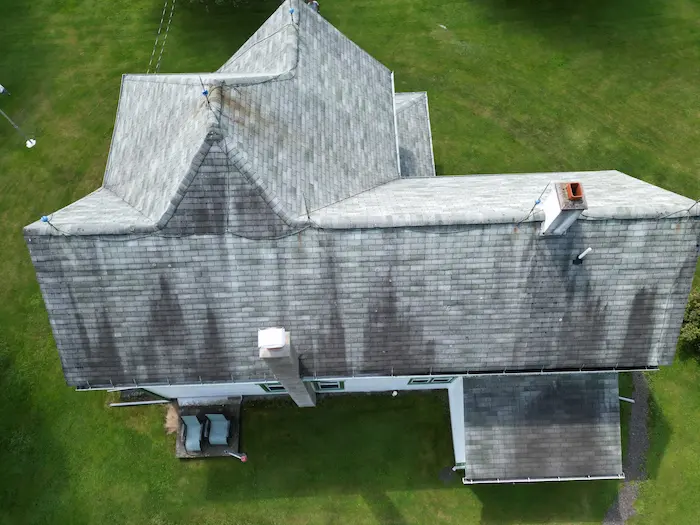
Black Streaks on Roof Shingles: What Causes Them?
Learn what causes black streaks on asphalt shingles, how they should be cleaned safely, and how algae-resistant shingles can help.
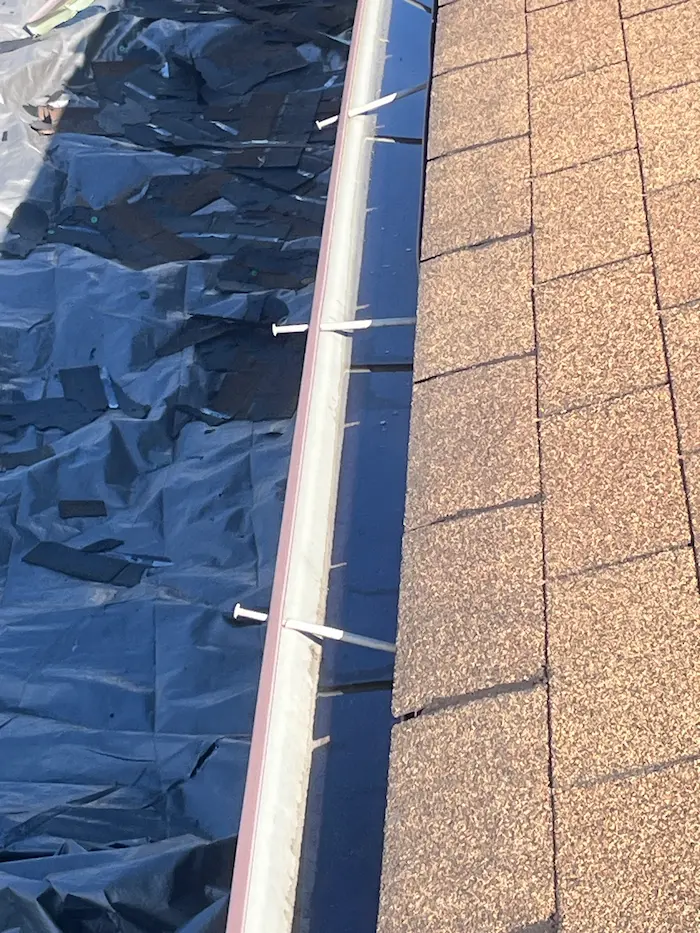
How Clogged Gutters Can Cause Hidden Water Damage
See how poor gutter drainage can affect fascia, soffits, siding, landscaping, and the area around your home's foundation.
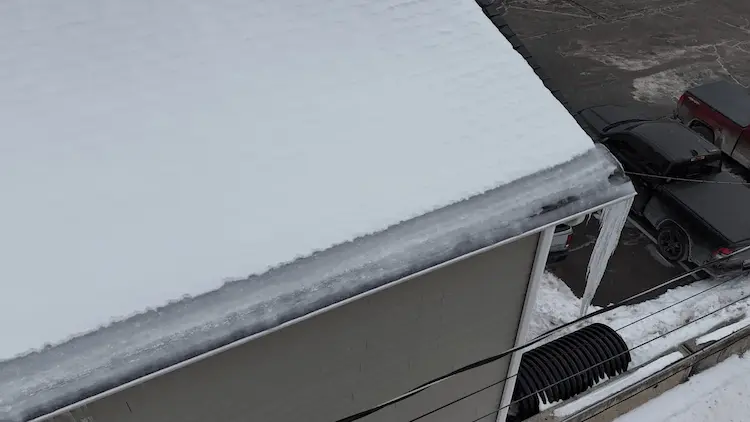
How to Prevent Ice Dams on Your Roof in Northeast Pennsylvania
Learn why ice dams form, how insulation and ventilation affect them, and what homeowners should do when ice builds along the roof edge.
Ready to Talk About Your Roof?
Contact Zenobi Roofing Inc. for roof replacement, roof repair, storm damage inspections, and gutter services throughout Archbald, Scranton, Clarks Summit, the Mid Valley, and surrounding NEPA communities.