Should You Replace Your Roof Before Selling Your Scranton Home?
Selling Your Home
Should You Replace Your Roof Before Selling Your Scranton Home?
An aging roof can become one of the biggest questions when preparing a home for sale. That does not mean every older roof needs replacement before the listing goes live. The better decision comes from looking at the roof's actual condition, repair needs, remaining useful life, replacement cost, and how those conditions may affect a buyer's view of the home.
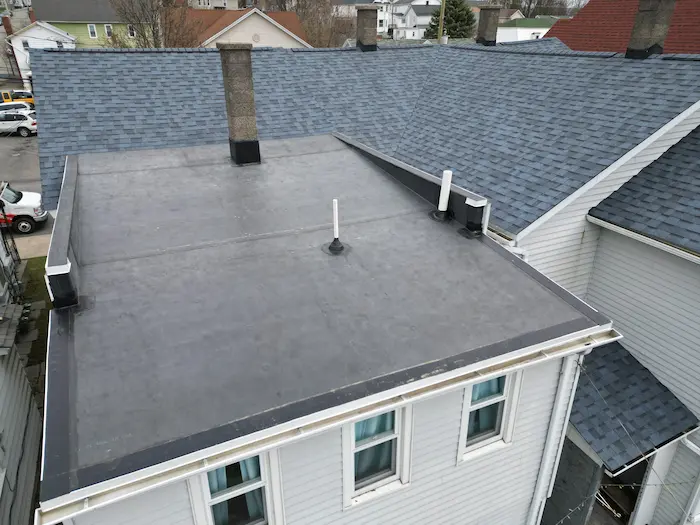
You do not automatically need to replace an older roof before selling your home. If the roof is performing well and only needs minor maintenance, a full replacement may not make financial sense. If it has active leaks, widespread deterioration, repeated repair problems, or major hidden damage, replacement can remove an important concern before buyers begin evaluating the property.
In This Article
Resale Value
Does Replacing a Roof Before Selling Increase Home Value?
A new roof can add value to a home, but homeowners should not expect the sale price to increase dollar-for-dollar with the replacement cost.
National Cost vs. Value research compares the cost of an asphalt shingle roof replacement with the amount homeowners may recover through resale. The results show why roof replacement should not be treated as an investment that automatically returns its entire cost.
That does not mean replacing a failing roof is a bad decision.
Resale value is only one part of the equation. A newer roof can also remove uncertainty, improve exterior appearance, reduce repair negotiations, and make the property easier for a buyer to evaluate.
The real question is not simply, "Will the new roof add exactly what I spend to the sale price?" It is, "How will the current roof affect the sale if I leave it as-is?"
Start With the Roof
Roof Age and Roof Condition Are Not the Same Thing
Homeowners often start the discussion by asking how old the roof is. Age matters, but it does not tell the entire story.
Two roofs installed in the same year can be in very different condition. Exposure, ventilation, workmanship, repairs, roof design, drainage, tree cover, maintenance, and previous weather events can all affect how a roof ages.
One older roof may still be dry and performing well. Another may have active leaks, failing flashing, widespread shingle deterioration, or deteriorated decking.
Look at the Condition Before Making the Decision
When we look at a roof for someone preparing to sell, we do not make the decision from the installation year alone.
We look for conditions that actually affect the roofing system: active leaks, shingle wear, missing or damaged shingles, flashing problems, penetrations, roof edges, ventilation concerns, visible decking issues, and signs of previous repairs.
An older roof does not automatically need replacement just because the house is going on the market.
When Replacement Makes Sense
When Should You Consider Replacing the Roof Before Selling?
Replacement becomes easier to justify when the roof has problems that are likely to remain important regardless of who owns the home.
When replacement makes sense, our roof replacement process explains the major roofing-system components that go into the project.
When Replacement Is Too Much
Sometimes a Roof Repair Before Selling Makes More Sense
Not every roofing problem justifies replacing the entire roof.
A localized flashing issue, isolated leak, small damaged area, or other repairable condition may have a much simpler solution when the rest of the roofing system remains in good condition.
Repair the Problem, Not the Calendar
A homeowner may hear that the roof is a certain number of years old and assume replacement is the only responsible option.
That can lead to spending a large amount of money immediately before moving when a proper repair could address the actual problem.
The opposite can happen too. Repeatedly repairing a worn-out roof simply to get the house listed may not solve the larger issue a buyer will eventually notice.
The goal should be to understand what the roof actually needs, then decide whether that level of work makes sense before the sale.
For localized problems, learn more about our roof repair service .
Buyer Perspective
Why Can an Older Roof Become Such a Big Issue for Buyers?
A roof is different from many cosmetic improvements because replacing it can involve a substantial expense.
A buyer may be comfortable repainting a room or changing flooring after moving in. A roof that may need replacement soon can feel like a much larger financial commitment.
Buyers may also have trouble judging the condition themselves. That uncertainty can make an older or visibly worn roof feel riskier than another home with a roof whose condition is easier to understand.
A Buyer May Care About More Than the Roof's Appearance
Questions can include whether the roof leaks, when it was installed, whether previous repairs were made, what roofing material was used, and whether any warranty can transfer.
Buyers may also want to know whether the roof needs immediate work or can reasonably remain in service after closing.
Reducing uncertainty can sometimes matter as much as making the roof look newer.
Home Inspection
What Happens if the Buyer’s Inspector Finds a Roof Problem?
A general home inspection can bring roof conditions into the sale conversation even when the seller has not noticed an active leak.
An inspector may note visible shingle wear, missing shingles, flashing concerns, staining, roof age information, evidence of previous leaks, or other conditions that deserve further review.
That does not mean every inspection comment requires a full roof replacement.
A Roofing Evaluation Can Help Clarify the Scope
If the inspection raises a roofing concern, a roofer can often provide more detail about whether the condition appears localized or whether the overall system is approaching replacement.
For example, water near a chimney may involve chimney flashing or another roof transition rather than requiring every shingle on the house to be replaced.
On the other hand, several separate problem areas on a heavily worn roof can point toward a larger replacement decision.
Sale Negotiations
Should You Replace the Roof or Offer the Buyer a Credit?
Some sellers choose to complete the work before listing. Others sell the home with the existing roof and negotiate the condition as part of the transaction.
There is no one answer that works for every sale.
A roofer can help determine what the roof needs and what the work is expected to cost. Buyers, sellers, agents, lenders, attorneys, and other professionals involved in the transaction determine how that information affects the sale.
Curb Appeal
Can a New Roof Improve the Appearance of a Home for Sale?
Yes. A roof can make up a large portion of the visible exterior, especially on homes with steeper slopes or large roof sections facing the street.
Fresh architectural shingles can give the exterior a cleaner appearance and remove visible streaking, patchwork repairs, missing shingles, or uneven aging from the home's first impression.
That visual improvement is real, but appearance alone should not drive a large roofing expense immediately before a sale.
Choose a Color With the Whole House in Mind
If you do replace the roof, choose a shingle color that works naturally with the siding, brick, stone, trim, gutters, and overall architecture.
Our guide to choosing the best shingle color for a Northeast Pennsylvania home explains how to compare those exterior colors.
For a home that may soon have a new owner, a roof that coordinates naturally with the exterior usually makes more sense than choosing a highly specific color simply because it is trendy.
After Replacement
Can a Roof Warranty Add Confidence for the Buyer?
A documented roof replacement can give a buyer useful information about the roofing system, especially when the seller keeps the contract, product information, installation date, and warranty documents.
However, homeowners should not simply advertise that a warranty "transfers" without checking the actual terms.
Manufacturer and contractor workmanship warranties can have different transfer rules and deadlines.
Our roof warranty guide explains the difference between manufacturer coverage, workmanship coverage, extended warranties, and transfers.
If you replace a roof shortly before selling, keep the paperwork. A new roof is much easier for the next owner to understand when the installation and warranty information are documented.
What We Look At
How We Approach a Roof When the Homeowner Plans to Sell
The goal should not be to turn every pre-sale roof inspection into a roof replacement.
We want to understand the condition first.
If the roof has a repairable issue and otherwise remains in good condition, that matters. If the roof has widespread deterioration and several signs that its useful life is nearing the end, that matters too.
The Decision Should Fit the Actual Roof
We pay attention to the shingles, roof edges, flashing, penetrations, visible decking concerns, leak history, previous repairs, and other conditions that may affect the system.
Sometimes that leads to a repair recommendation. Other times the roof has reached the point where replacement is the more practical long-term solution.
Selling the house changes the financial decision. It should not change an honest evaluation of what the roof actually needs.
Before the Listing
What Should You Do With an Older Roof Before Listing the House?
Start by gathering any information you already have.
You do not need to replace a roof simply to say the house has a new roof. You need enough information to make a good decision about the roof that is actually there.
The Other Side of the Sale
What if You Are the Person Buying the Home?
The same roof can look very different depending on which side of the transaction you are on.
A seller may see an older roof that has never leaked. A buyer may see a major expense that could arrive a few years after closing.
Neither perspective automatically tells you what the roof actually needs.
Our next guide explains how to approach buying a Northeast Pennsylvania home with an older roof , including inspections, estimates, repairs, replacement, and negotiation considerations.
FAQs
Questions About Replacing a Roof Before Selling
Should I replace my roof before selling my house?
Not automatically. If the roof remains in good condition and only needs minor maintenance or repair, replacement may not make financial sense. Replacement becomes more reasonable when the roof has active leaks, widespread deterioration, repeated problems, or very little useful life remaining.
Does a new roof increase the sale price of a house?
A new roof can contribute to a home's value and marketability, but sellers should not expect the sale price to increase dollar-for-dollar with the replacement cost. The effect depends on the property, roof condition, local market, buyer, and overall transaction.
Is an old roof automatically a problem when selling a home?
No. Age is only one part of roof condition. An older roof may still be performing well, while a younger roof can have leaks, installation problems, storm damage, or other concerns.
Can I repair the roof instead of replacing it before selling?
Yes, when the problem is localized and the remaining roofing system is still in serviceable condition. A roofing evaluation can help determine whether repair or replacement better fits the actual condition.
What if the buyer's home inspector says the roof is old?
Roof age does not by itself determine whether replacement is necessary. If an inspection raises concerns, a roofing contractor can provide more detail about the roof's condition, repair needs, and whether replacement appears warranted.
Should I replace the roof or give the buyer a credit?
That depends on the roof condition and the terms of the real-estate transaction. A roofer can explain what work the roof needs and provide an estimate. The buyer and seller can then decide how that information affects their negotiations.
Does a new roof make a home easier to sell?
It can remove a major maintenance question and improve curb appeal, but every property and buyer is different. A new roof does not guarantee a faster sale or a specific increase in price.
Can the new roof warranty transfer to the buyer?
Some roofing warranties allow a transfer, but the rules and deadlines vary. Sellers should review both the manufacturer warranty and the contractor's workmanship warranty before promising that coverage will transfer.
What roofing paperwork should I keep when selling my house?
Keep the roofing contract, final invoice, installation date, shingle and product information, warranty documents, permit information when applicable, and records of significant repairs. These documents can help a buyer understand the roof more clearly.
Recent Articles
Roofing Advice & Guides
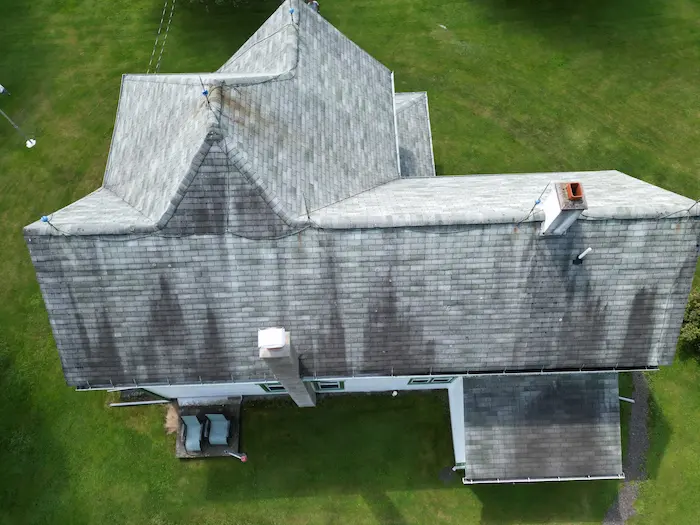
Black Streaks on Roof Shingles: What Causes Them?
Learn what causes black streaks on asphalt shingles, how they should be cleaned safely, and how algae-resistant shingles can help.
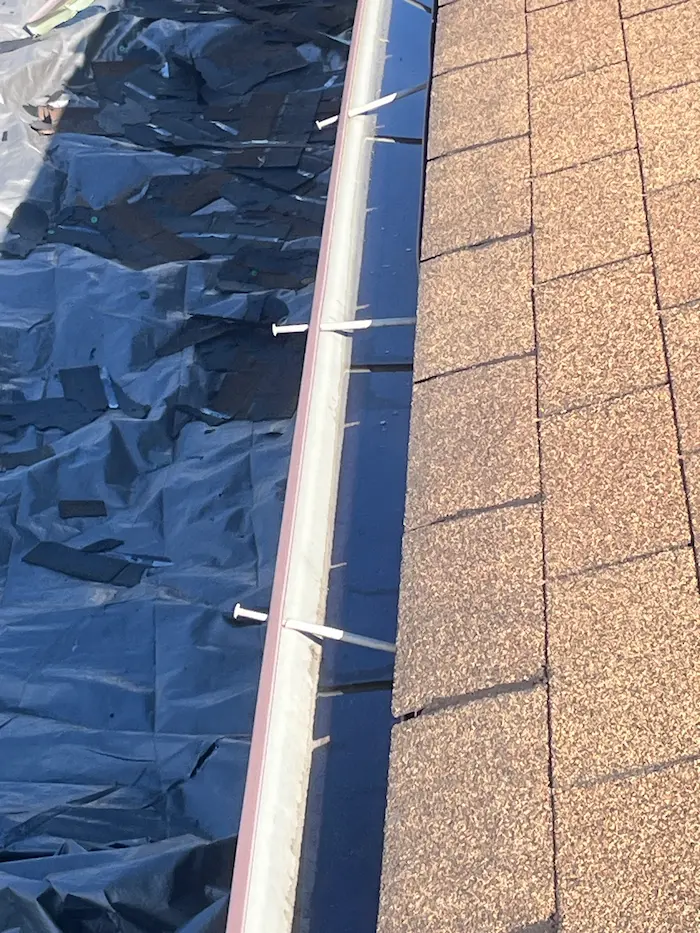
How Clogged Gutters Can Cause Hidden Water Damage
See how poor gutter drainage can affect fascia, soffits, siding, landscaping, and the area around your home's foundation.
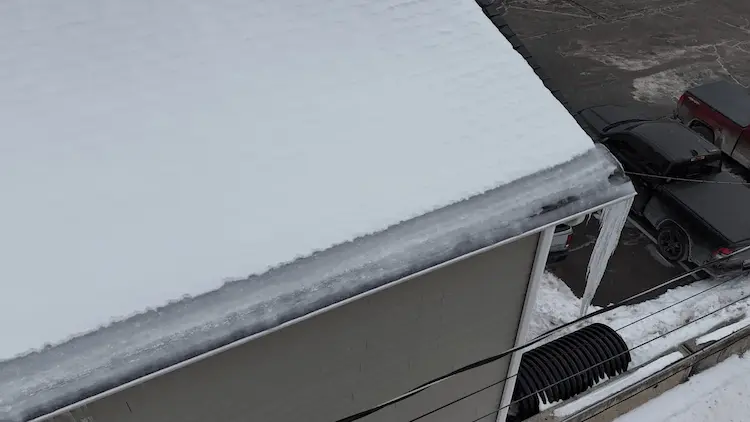
How to Prevent Ice Dams on Your Roof in Northeast Pennsylvania
Learn why ice dams form, how insulation and ventilation affect them, and what homeowners should do when ice builds along the roof edge.
Ready to Talk About Your Roof?
Contact Zenobi Roofing Inc. for roof replacement, roof repair, storm damage inspections, and gutter services throughout Archbald, Scranton, Clarks Summit, the Mid Valley, and surrounding NEPA communities.