
How Clogged Gutters Can Cause Hidden Water Damage Around Your Home
Gutters & Drainage
How Clogged Gutters Can Cause Hidden Water Damage Around Your Home
Clogged gutters can do more than spill water over the edge during a heavy rain. When leaves, roofing debris, or other material blocks the flow of water, moisture can repeatedly reach fascia, soffits, siding, landscaping, and the ground around the foundation.
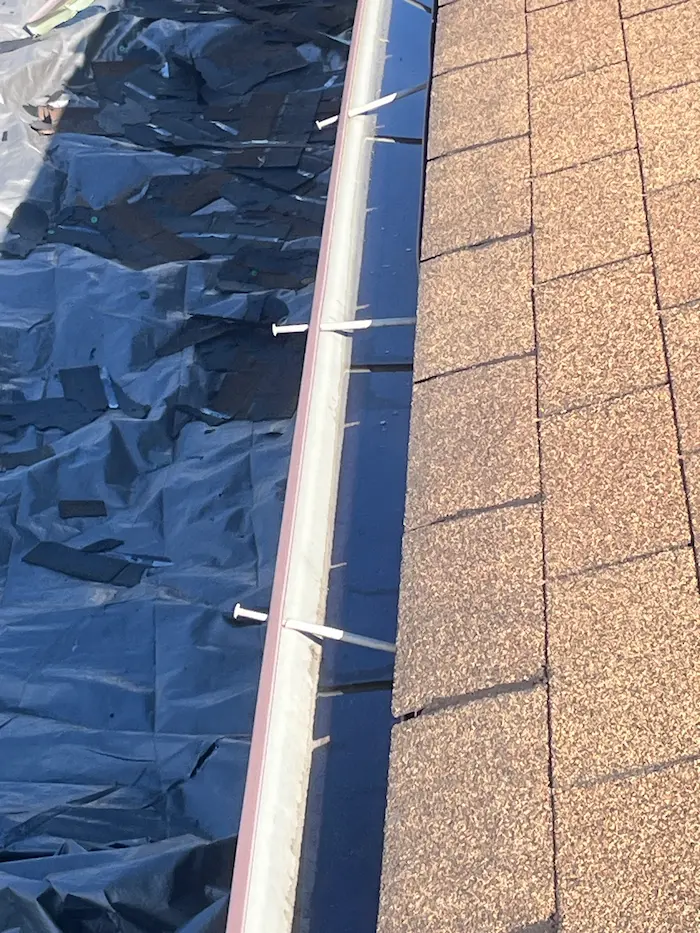
Clogged gutters do not automatically cause a roof leak, but they can send water into places it normally should not go. Repeated overflow can affect fascia, soffits, siding, landscaping, and drainage around the home.
In This Article
How Gutters Work
What Happens When a Gutter Becomes Clogged?
A gutter system collects water from the roof and directs it toward the downspouts. From there, the water should discharge away from the house.
When leaves, twigs, shingle granules, or other debris block the gutter or downspout, water can no longer move through the system normally.
A small blockage may not be noticeable during a light rain. During a heavier storm, water can begin spilling over the front of the gutter, running behind it, or collecting in sections that are not draining properly.
The real concern is usually not one overflowing rainstorm. It is repeated exposure to water in areas of the home that were not designed to stay wet.
Water Damage
Where Can Overflowing Gutters Cause Problems?
Gutters sit directly along the lower edge of the roof. That places them close to several important exterior components of the home.
When the gutter system stops carrying water away properly, the effects can show up in several different places.
Roof Edge
Can Clogged Gutters Damage the Roof?
It is important not to overstate what clogged gutters do. A gutter filled with leaves does not automatically force water underneath an otherwise properly installed asphalt shingle roof.
The more common concern is the area around the roof edge.
Water overflowing behind the gutter can repeatedly wet fascia and trim. Existing problems with drip edge, flashing, deteriorated wood, or gutter attachment may also become more noticeable when water is concentrated in the same area.
Winter Creates a Different Set of Conditions
During a Northeast Pennsylvania winter, snow and melting ice can collect around the gutter and roof edge.
A clogged gutter is not usually the underlying cause of an ice dam. Ice dams generally begin when snow melts on a warmer section of roof and freezes again near the colder eave.
Our guide to preventing ice dams on roofs in Northeast Pennsylvania explains how attic heat loss, insulation, ventilation, and roof temperature can affect winter ice buildup.
Behind the Gutter
Why Fascia and Soffits Matter
Gutters are commonly fastened along the fascia at the lower edge of the roof. That makes the condition of the fascia important to the gutter system itself.
When wood fascia remains wet repeatedly, paint or other protective finishes can begin to fail. Continued moisture exposure can eventually contribute to deterioration.
If the wood becomes badly damaged, gutter fasteners may no longer have the same solid material to hold onto.
A Sagging Gutter Does Not Always Mean Rotten Wood
Several conditions can cause a gutter to move away from the house.
Loose fasteners, poor slope, heavy debris, snow and ice, improper installation, or an aging gutter system can all contribute.
The important part is determining why the gutter has moved before simply fastening it back into place.
Water staining, peeling paint, soft wood, damaged soffit material, or a gutter pulling away from the fascia are all reasons to take a closer look.
Under the Shingles
What About the Roof Decking?
Roof decking is the wood layer beneath the shingles and underlayment.
Under normal conditions, a clogged gutter by itself should not continually soak the roof decking. However, moisture problems around the eave can sometimes uncover other issues.
Deteriorated fascia, poor roof-edge details, previous leaks, damaged flashing, or existing decking problems can all be hidden beneath the roofing materials.
During a full tear-off roof replacement, removing the old roofing exposes the deck so damaged or deteriorated wood can be identified before the new roofing system is installed.
We explain this in more detail in our guide to rotted roof decking and damaged roof sheathing .
Ground Drainage
How Gutters Affect the Area Around the Foundation
A roof can collect a large amount of water during a heavy rain. The gutter system gives that water a controlled path from the roof to the ground.
When gutters overflow or downspouts become blocked, water may fall directly beside the home instead.
Repeated runoff can erode soil, create channels through landscaping, and leave areas beside the foundation consistently wet.
This does not mean every wet basement or foundation problem is caused by gutters. Grading, groundwater, foundation construction, drainage systems, and other conditions can also matter.
Gutters are one part of the home's overall drainage system, but roof runoff is one of the easiest drainage conditions to observe from outside.
Do Not Forget the Downspouts
Cleaning the gutter does not help much if the downspout remains blocked.
Water needs an open path through the downspout, and the discharge point should direct water away from the house rather than releasing it immediately beside the foundation.
What to Watch For
Signs Your Gutters May Not Be Draining Properly
Many gutter problems can be spotted from the ground. You do not necessarily need to climb a ladder to notice that something is wrong.
One of the best times to observe the system is during a steady rain.
From the ground, watch whether water enters the gutter, moves toward the downspouts, and discharges away from the house instead of pouring over the edge.
Maintenance
How Often Should Gutters Be Checked?
There is no single gutter-cleaning schedule that works for every home.
A house surrounded by mature trees may collect debris much faster than a home in an open area. The type of trees matters too.
Leaves, pine needles, seed pods, small branches, roofing granules, and other material can enter the gutter at different times of year.
Checking the gutter system after most nearby leaves have fallen is often useful. Another inspection may make sense after major storms or whenever overflow is noticed.
Gutters are also one of the exterior items worth checking before winter. Our roof tune-up before winter guide covers additional areas homeowners should pay attention to before snow and freezing temperatures arrive.
Gutter Guards
Do Gutter Guards Eliminate Gutter Maintenance?
Gutter guards can reduce the amount of larger debris entering a gutter, but they should not automatically be considered maintenance-free.
Smaller debris can still enter some systems, and leaves or other material can collect on top of the guard depending on the design, surrounding trees, and roof conditions.
Gutters with guards should still be observed periodically to make sure water is entering the gutter and flowing through the downspouts as intended.
If you are considering replacement gutters or gutter guards, visit our gutter installation page for more information about the gutter services we offer.
Roof Leaks
When a Gutter Problem Looks Like a Roof Leak
If moisture appears inside the home near an exterior wall, it can be tempting to assume the nearest gutter is responsible.
That is not always the case.
Water can travel along roof decking, rafters, framing, flashing, siding, and other materials before it becomes visible inside.
A leak near the edge of the home may involve shingles, flashing, a roof penetration, siding, roof-edge details, or another condition entirely.
Finding the actual entry point is more useful than assuming the closest gutter caused the leak.
If water is actively entering the home, our guide to what to do during an emergency roof leak covers the immediate steps homeowners can take.
For isolated roofing concerns, visit our roof repair page .
FAQs
Questions About Clogged Gutters and Water Damage
Can clogged gutters cause a roof leak?
Not automatically. A clogged gutter primarily creates a drainage problem. Overflowing water can repeatedly wet fascia, soffits, siding, and areas around the roof edge, but an interior leak may involve flashing, shingles, decking, siding, or another roofing detail.
Can clogged gutters damage fascia boards?
Yes, repeated exposure to overflowing water can contribute to fascia deterioration over time, especially when paint or other protective finishes have already failed.
Can overflowing gutters cause foundation problems?
Overflowing gutters can increase the amount of water reaching the soil beside the foundation. However, basement and foundation moisture can have several causes, including grading, groundwater, drainage systems, and foundation conditions.
Do clogged gutters cause ice dams?
A clogged gutter is generally not the main cause of an ice dam. Ice dams usually form when snow melts on a warmer section of roof and freezes again near the colder eave. Heat loss, insulation, ventilation, and roof conditions are often more important factors.
Will gutter guards keep gutters from ever clogging?
Gutter guards can reduce the amount of debris entering the gutter, but no system should automatically be considered maintenance-free. The gutters and downspouts should still be checked periodically.
Should gutters hold standing water?
A properly functioning gutter should move most water toward the downspout. Significant standing water can indicate poor slope, sagging, a blocked downspout, or another drainage problem.
Recent Articles
Roofing Advice & Guides
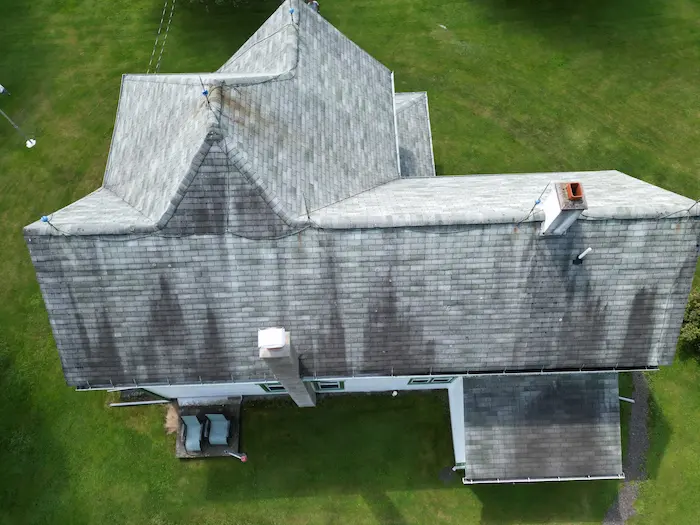
Black Streaks on Roof Shingles: What Causes Them?
Learn what causes black streaks on asphalt shingles, how they should be cleaned safely, and how algae-resistant shingles can help.
How Clogged Gutters Can Cause Hidden Water Damage
See how poor gutter drainage can affect fascia, soffits, siding, landscaping, and the area around your home's foundation.
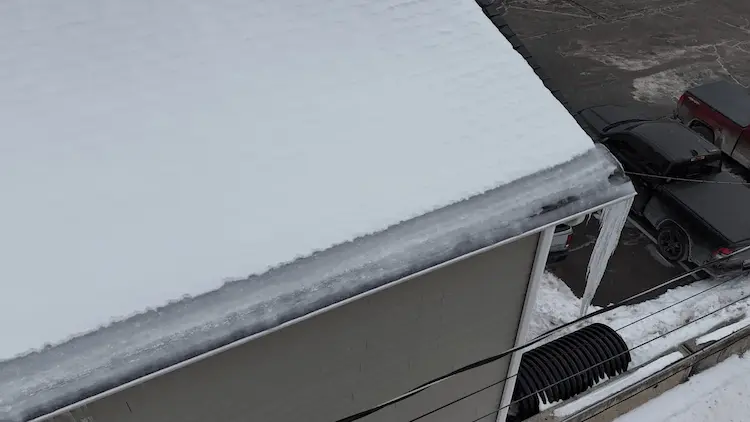
How to Prevent Ice Dams on Your Roof in Northeast Pennsylvania
Learn why ice dams form, how insulation and ventilation affect them, and what homeowners should do when ice builds along the roof edge.
Ready to Talk About Your Roof?
Contact Zenobi Roofing Inc. for roof replacement, roof repair, storm damage inspections, and gutter services throughout Archbald, Scranton, Clarks Summit, the Mid Valley, and surrounding NEPA communities.