Roof Warranties Explained: Workmanship vs. Manufacturer Coverage
Roof Warranty Guide
Roof Warranties Explained: Workmanship vs. Manufacturer Coverage
A roof warranty does not cover every problem that can happen to a home. Manufacturers, roofing contractors, extended warranty programs, and homeowners insurance all protect against different types of problems. Understanding those differences makes it easier to compare roofing proposals and know who to contact if a concern develops later.
A manufacturer roof warranty generally protects against eligible defects in qualifying roofing products. A workmanship warranty addresses covered installation problems. Some extended manufacturer warranties offer broader roofing-system protection and may also include workmanship coverage, but the written warranty determines exactly what the homeowner receives.
In This Article
Warranty Basics
What Does a Roof Warranty Actually Cover?
The answer depends on which warranty you mean.
A new roof can come with protection from more than one source. The shingle manufacturer may protect against eligible product defects. The roofing contractor may provide separate workmanship coverage. Some qualifying roof systems can also receive an extended manufacturer warranty.
Homeowners insurance serves a different purpose. Depending on the policy, it may apply to sudden events such as qualifying wind, hail, or falling-tree damage.
The number of years on a warranty means very little until you understand what those years actually cover.
Two Different Responsibilities
Manufacturer Warranty vs. Workmanship Warranty
The easiest way to understand the difference is to ask what caused the roofing problem.
What Does a Manufacturer Warranty Cover?
A manufacturer warranty generally applies when a qualifying roofing product has an eligible manufacturing defect.
For example, a homeowner may notice an unusual condition in the shingles that the manufacturer later determines resulted from the manufacturing process.
The manufacturer reviews the claim and decides whether the condition meets the written warranty requirements.
What Does a Workmanship Warranty Cover?
A contractor workmanship warranty focuses on how the roofer installed the system.
The shingles themselves could perform exactly as intended while an incorrectly installed roof detail still creates a leak.
Good shingles cannot correct poor installation, and good installation cannot prevent a true manufacturing defect. That is why homeowners need to understand both types of coverage.
Warranty Language
“Limited Lifetime” Does Not Mean Everything Is Fully Covered Forever
The phrase "limited lifetime" sounds simple, but the actual warranty usually contains several important conditions.
For qualifying single-family homes, manufacturer lifetime terminology may relate to how long the original owner owns the property. The warranty can still include different coverage periods, exclusions, limits, and transfer requirements.
Look Beyond the Word “Lifetime”
Homeowners should look at what happens if they actually need to make a claim.
Compare what the warranty will actually do after a covered problem, not just the number printed beside the word “lifetime.”
Owens Corning Coverage
What Is the TRU PROtection Period?
Owens Corning uses the term TRU PROtection for the initial portion of certain roofing warranties.
During this period, qualifying manufacturing-defect claims receive stronger protection than they do during a later prorated period.
The length of TRU PROtection varies by warranty, shingle product, roofing system, and eligibility requirements.
What Happens After TRU PROtection?
Under certain Owens Corning warranties, the roof eventually enters a prorated period.
Proration reduces the amount the warranty provides for an eligible product defect based on how long the homeowner has already used the roof.
Manufacturers can change products, programs, and warranty terms over time. The warranty that applied when the contractor installed and registered your roof controls the coverage.
Optional Extended Coverage
What Is the Owens Corning Preferred Protection Warranty?
Zenobi Roofing Inc. is an Owens Corning Roofing Preferred Contractor. That status allows us to offer certain extended Owens Corning warranty options on qualifying roofing systems.
Under Owens Corning's current Preferred Protection overview, a qualifying roofing system can receive a 50-year TRU PROtection period for eligible manufacturing defects and 10 years of manufacturer-backed workmanship coverage.
Installing an Owens Corning shingle alone does not automatically qualify the roof for Preferred Protection.
What Does the Roof Need to Qualify?
For current Zenobi-specific warranty options, visit our roof warranty information page .
Zenobi Roofing Coverage
Zenobi Roofing's 10-Year Limited Workmanship Warranty
Zenobi Roofing Inc. provides a 10-year limited workmanship warranty on qualifying full roof replacements.
This warranty works separately from the Owens Corning manufacturer warranty. It focuses on qualifying leaks caused by a covered installation issue.
What Happens if a Covered Workmanship Problem Occurs?
Our current written terms provide for repair of the affected roof area when a qualifying workmanship issue causes the problem.
The terms also limit interior repair coverage to areas directly affected by a covered workmanship-related leak.
Full payment under the roof replacement contract activates the workmanship warranty.
We do not expect homeowners to figure out whether a problem comes from a shingle, the installation, a storm, or another part of the house before they call us.
We can look at the condition first and help determine the appropriate next step.
The Complete Roof
Are All Parts of a Roof Covered by the Shingle Manufacturer?
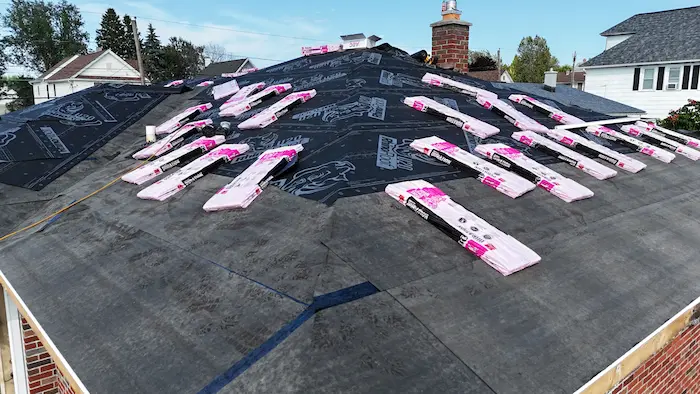
No. The in-progress roof pictured above helps show why.
A complete roof can include shingles, underlayment, ice and water protection, starter shingles, ridge materials, flashing, decking, pipe boots, ventilation, fasteners, and several other components.
Different Components Can Have Different Coverage
Manufacturer coverage depends on which products that manufacturer makes or includes under the specific warranty.
Owens Corning's current roofing warranty documents, for example, exclude non-Owens-Corning components such as wood decking, certain flashing, fasteners, and pipe boots from that manufacturer warranty.
One contractor may install the entire roof, but that does not mean one manufacturer warranty covers every material in the system.
This is also why proper roof flashing around chimneys, skylights, and transitions matters independently of the shingle warranty.
Weather Damage
Does a Roof Warranty Cover Hail, Wind, or Falling Trees?
Usually, homeowners need to separate storm damage from warranty problems.
Manufacturer warranties focus primarily on qualifying product defects. Contractor workmanship warranties focus on covered installation problems.
Hail, falling trees, debris impact, and severe weather come from outside events rather than product manufacturing or contractor workmanship.
Wind coverage can also include product-specific limits and installation requirements.
Identify the Cause First
A roofing problem may involve a manufacturer warranty, workmanship warranty, homeowners insurance, routine maintenance, or a normal roof repair. An inspection can help determine which one makes sense.
After Installation
Can Solar Panels or Other Later Roof Work Affect the Warranty?
Yes, depending on the work and the damage involved.
Solar panels, satellite dishes, HVAC equipment, gutter guards, coatings, carpentry, and other later projects can alter or penetrate parts of the roofing system.
Manufacturer warranty documents may exclude damage that later alterations cause. Likewise, the original roofer generally cannot take responsibility for damage another contractor creates after the roof installation.
Before another contractor drills, cuts, fastens, mounts, or changes something on a newer roof, ask how the work will affect the roofing system and its warranty.
Selling the Home
Can a Roof Warranty Transfer to the Next Homeowner?
Some warranties allow a transfer, but homeowners need to pay close attention to the deadline.
Owens Corning's current guidance gives a qualifying second owner 60 days after the real-estate transfer to complete the required warranty transfer process.
Zenobi Roofing's current workmanship terms allow one transfer for the remaining warranty period when we receive written notice within 30 days of the property transfer.
Do Not Wait Until After the Deadline
Before selling the home, gather the roofing contract, warranty documents, installation date, and product information so the next owner can act within the required time.
Comparing Estimates
How Should You Compare Roof Warranties Between Contractors?
Do not compare warranties only by looking for the largest number.
Two estimates can both advertise a "lifetime warranty" while providing very different protection.
Six Questions Worth Asking
Compare the actual written warranties instead of relying on one line in an estimate that simply says “lifetime.”
Installation Matters
A Warranty Does Not Replace Proper Roof Installation
Warranty protection matters. Even a carefully installed roof can develop a legitimate product concern, and homeowners should have clear protection when a warranty covers the problem.
But no warranty can turn poor roofing work into good roofing work.
The Details Still Matter
Contractors still need to handle decking preparation, underlayment, ice and water protection, flashing, ventilation, fastening, starter shingles, field shingles, and ridge materials correctly.
The photo above shows why we look at a roof as a complete system rather than only the finished layer of shingles.
Learn more about how those components work together on our roof replacement page .
If you are comparing roofing materials too, read our guide to metal roofing versus asphalt shingles .
Before You Sign
Ask to See the Warranty Before the Roof Is Installed
Homeowners should understand their warranty before a problem ever happens.
Before signing a roofing contract, ask which manufacturer warranty applies, whether the contractor offers an extended option, what workmanship warranty comes with the project, and whether the manufacturer requires registration.
Keep Your Roofing Documents
Save the roofing contract, final invoice, warranty confirmation, shingle information, and installation date together after the project.
Those records can make a future warranty claim or home sale much easier.
The best time to understand a roof warranty is before you ever need to use it.
For current details about Zenobi Roofing's workmanship coverage and Owens Corning warranty options, visit our roof warranty information page .
FAQs
Questions About Roof Warranties
What is the difference between a roof workmanship warranty and a manufacturer warranty?
A manufacturer warranty generally protects against eligible defects in qualifying roofing products. A workmanship warranty protects against covered installation-related problems. They address two different responsibilities.
What does a limited lifetime roof warranty mean?
Limited lifetime does not mean the warranty fully covers every roofing problem forever. The terms can depend on the homeowner, property type, roofing product, exclusions, transfer status, and whether coverage becomes prorated later.
Does Zenobi Roofing offer a workmanship warranty?
Yes. Zenobi Roofing Inc. currently provides a 10-year limited workmanship warranty on qualifying full roof replacements according to our written warranty and roof replacement contract.
What is Owens Corning Preferred Protection?
Preferred Protection is an optional extended Owens Corning roofing-system warranty for qualifying roofs installed by authorized Preferred or Platinum Preferred Contractors. Current qualifying systems may receive a 50-year TRU PROtection period for eligible manufacturing defects and 10 years of manufacturer-backed workmanship coverage.
Does a roof warranty cover hail or storm damage?
Manufacturer and workmanship warranties generally serve different purposes than homeowners insurance. Hail, falling trees, debris impact, and severe weather may fall under insurance coverage depending on the cause and policy terms.
Does a shingle warranty cover roof decking and flashing?
Not automatically. Manufacturer warranties cover the qualifying products listed in their written terms. Owens Corning's current roofing-system warranty, for example, does not cover non-Owens-Corning components such as wood decking, certain flashing, fasteners, and pipe boots.
Can solar panels affect a roof warranty?
Yes. Later work can affect warranty coverage if it damages or changes the roofing system. Review the applicable warranty before another contractor cuts, drills, mounts, or penetrates a newer roof.
Can I transfer my roof warranty when I sell my house?
Some warranties allow transfers, but deadlines apply. Owens Corning currently gives qualifying transfers 60 days after the real-estate transfer. Zenobi Roofing's current workmanship warranty allows one transfer when we receive written notice within 30 days.
Who should I call if I do not know whether a roof problem is covered?
Zenobi Roofing customers can contact us first. You do not need to decide whether the issue involves workmanship, an Owens Corning product, storm damage, insurance, or another part of the home before reaching out.
Recent Articles
Roofing Advice & Guides
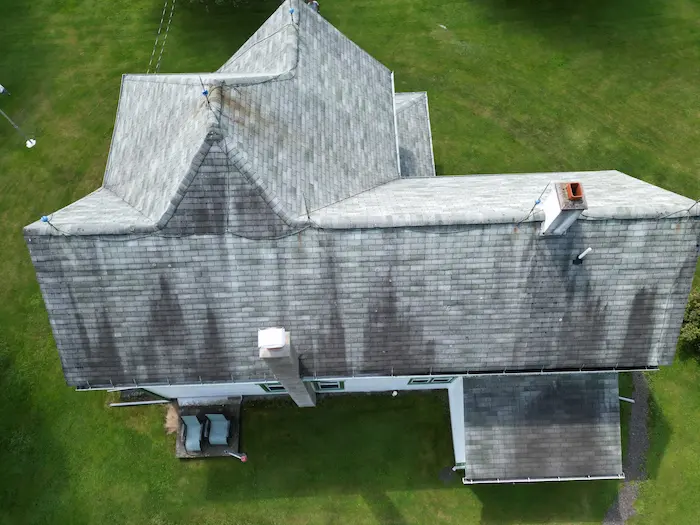
Black Streaks on Roof Shingles: What Causes Them?
Learn what causes black streaks on asphalt shingles, how they should be cleaned safely, and how algae-resistant shingles can help.
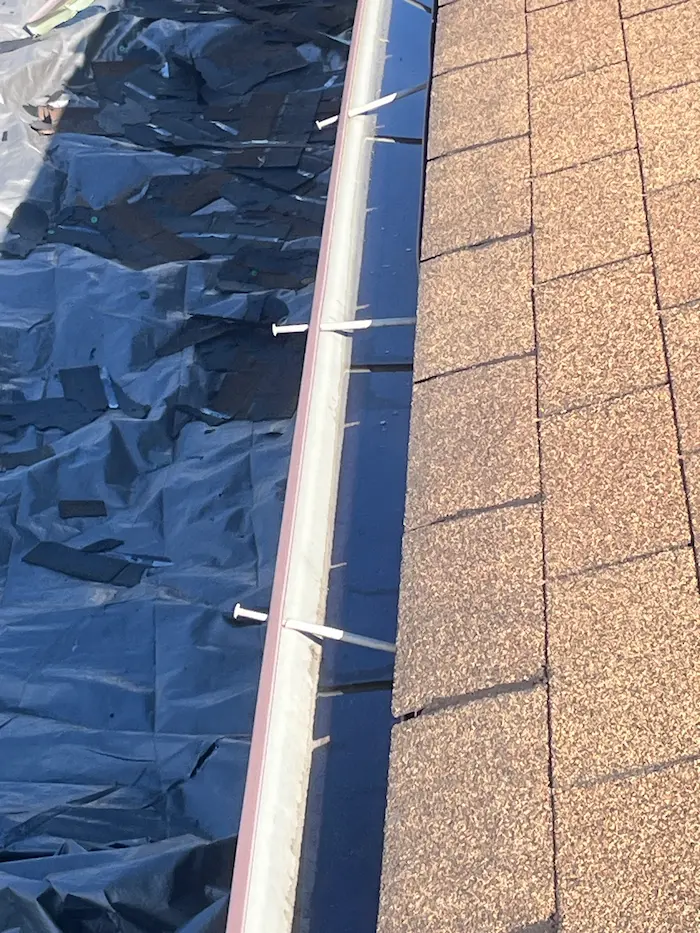
How Clogged Gutters Can Cause Hidden Water Damage
See how poor gutter drainage can affect fascia, soffits, siding, landscaping, and the area around your home's foundation.
How to Prevent Ice Dams on Your Roof in Northeast Pennsylvania
Learn why ice dams form, how insulation and ventilation affect them, and what homeowners should do when ice builds along the roof edge.
Ready to Talk About Your Roof?
Contact Zenobi Roofing Inc. for roof replacement, roof repair, storm damage inspections, and gutter services throughout Archbald, Scranton, Clarks Summit, the Mid Valley, and surrounding NEPA communities.