
How to Prevent Ice Dams on Your Roof in Northeast Pennsylvania
Winter Roofing
How to Prevent Ice Dams on Your Roof in Northeast Pennsylvania
Ice dams on roofs are a common winter concern in Northeast Pennsylvania. Snow can melt higher on the roof, travel toward the colder edge, and freeze again near the eaves. As that ice builds, additional melting snow can become trapped behind it and create conditions where water works beneath the roofing system.
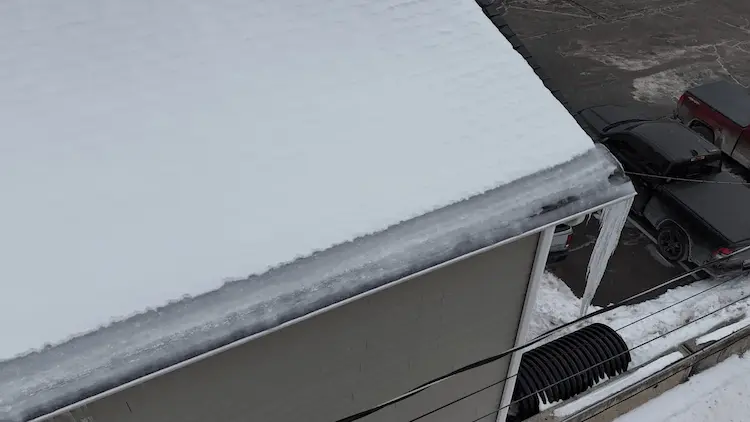
Preventing ice dams usually involves more than removing ice from the roof edge. Air leakage, insulation, attic conditions, ventilation, roof design, and proper roofing materials can all affect how snow melts and refreezes during a Northeast Pennsylvania winter.
In This Article
The Cause
What Causes an Ice Dam?
Ice dams typically begin when heat reaching the roof deck causes snow on an upper portion of the roof to melt.
The resulting water travels down the roof toward the eaves. The roof edge can remain colder because it extends beyond the heated portion of the house.
When the meltwater reaches this colder area, it can freeze again.
Repeated melting and freezing can gradually create a ridge of ice along the lower edge of the roof. Water from additional melting snow can then collect behind that ridge instead of draining normally.
The ice visible along the edge of the roof is often a symptom of a temperature difference occurring higher on the roof.
Asphalt shingles are primarily designed to shed water moving down the roof. Water trapped behind an ice dam can expose shingles, flashing, valleys, and other roof details to conditions they do not normally experience during an ordinary rainstorm.
NEPA Winters
Why Ice Dams Are Common During Northeast Pennsylvania Winters
Northeast Pennsylvania winters can bring snow, extended freezing temperatures, warmer daytime periods, and repeated freeze-and-thaw cycles.
Those changing conditions can create an environment where snow melts during one part of the day and freezes again near the roof edge.
The construction of the house matters too. Older homes, additions, dormers, knee-wall spaces, valleys, and complicated rooflines can have sections that lose heat differently from the rest of the building.
Prevention
Preventing Ice Dams Starts With Controlling Heat
Removing visible ice may help with an immediate problem, but it does not necessarily correct the condition that caused the ice dam.
When ice dams repeatedly develop in the same areas, it can be useful to look at how heat is moving from the living space into the attic and toward the roof deck.
Air Seal the Attic Floor
Openings between the living space and attic can allow heated indoor air to move upward.
Common areas can include attic access openings, plumbing and electrical penetrations, ductwork, framing connections, and other gaps in the ceiling plane.
Reducing unnecessary air movement into an unconditioned attic can help keep roof temperatures more consistent during cold weather.
Check the Insulation
Insulation helps slow heat transfer from the heated portion of the home. Uneven insulation can create warmer sections of roof deck.
This can help explain why snow disappears from one section of a roof while remaining on another.
If ice repeatedly forms in the same area, an insulation or home-energy professional may be able to identify areas where heat loss is contributing to the problem.
Evaluate the Ventilation System
Proper attic ventilation can help maintain more consistent attic conditions, but simply adding a ridge vent does not automatically solve an ice-dam problem.
A ventilation system needs an appropriate intake and exhaust path and should work together with the home's insulation and air-sealing strategy.
A seasonal roof tune-up before winter can also provide an opportunity to check visible roofing details before snow and freezing weather arrive.
Roof Protection
How the Roofing System Helps Protect the Home
Roofing materials cannot correct excessive heat loss from inside a house. However, the way the roofing system is installed can provide important protection when snow and ice are present.
Ice and Water Barrier Does Not Prevent the Ice Dam
This distinction matters. Ice and water barrier helps protect the roof deck if water backs up beneath the shingles, but it does not stop snow from melting and freezing at the roof edge.
The material is a layer of protection against water intrusion rather than a cure for the conditions creating the ice.
Flashing Becomes Especially Important
Snow and ice can hold moisture against chimneys, walls, valleys, and roof transitions longer than a typical rainstorm.
Our guide to roof flashing around chimneys and skylights explains why these transition areas are so important to keeping water out.
Roof Decking Can Reveal Past Moisture Problems
During a full tear-off roof replacement, removing the existing roofing gives the contractor an opportunity to inspect the wood underneath before the new roofing system is installed.
Learn more about what can happen when moisture reaches the structure in our guide to rotted roof decking and damaged roof sheathing .
You can also see how these major components work together on our roof replacement page .
After Ice Forms
What Should You Do If an Ice Dam Has Already Formed?
Once significant ice has formed along the roof, the focus shifts from prevention to reducing the chance of injury and limiting additional damage.
Climbing onto a snow- or ice-covered roof can create a serious fall hazard.
Homeowners should also avoid striking or chopping ice with hammers, axes, shovels, or other tools that could damage shingles, flashing, gutters, or the roof underneath.
If the buildup is substantial, water is entering the home, or removing the ice would require climbing onto the roof, professional help is the safer approach.
Removing Snow From the Ground
In some situations, reducing snow accumulation near the lower portion of the roof may reduce the amount of meltwater feeding an existing ice dam.
Roof rakes designed for snow removal allow some of this work to be performed from the ground.
A roof rake still needs to be used carefully. The goal is to remove some of the snow rather than aggressively scrape the shingles or other roofing materials.
When Water Has Already Entered the Home
If water has reached a ceiling, wall, attic, or other interior area, removing the visible ice is only part of the concern.
The roof should also be evaluated for the path the water took and whether shingles, flashing, decking, insulation, or interior materials were affected.
Our guide to what to do during an emergency roof leak covers the immediate steps homeowners can take while arranging for the roof to be evaluated.
If you suspect the roofing system itself has been damaged, visit our roof repair page for more information.
Gutters
Do Clogged Gutters Cause Ice Dams?
Gutters often get blamed for ice dams because some of the most visible ice appears along the gutter and roof edge.
However, a clogged gutter does not usually explain why snow is melting farther up the roof in the first place.
Uneven roof temperatures and heat reaching the roof deck are often more important parts of the ice-dam process.
That does not mean gutters should be ignored. Gutters and downspouts still need to move water away from the roof edge and home when temperatures are above freezing.
Debris can interfere with drainage and contribute to other moisture problems around the home.
We explain that issue separately in how clogged gutters can cause hidden water damage .
Recurring Problems
Why Ice Dams Sometimes Keep Coming Back
A home that develops ice dams in the same location winter after winter may have an underlying condition that removing the ice alone will not correct.
Recurring ice buildup is a reason to look at the house as a complete system.
Air leakage, insulation, attic ventilation, roof geometry, flashing, roofing materials, and previous construction changes can all affect how the roof behaves when it is covered with snow.
The location of recurring ice can sometimes provide useful clues about what is happening below that particular section of roof.
Heavy buildup below one dormer, addition, attic area, or roof transition may point toward a localized condition rather than a problem affecting the entire roof.
FAQs
Questions About Ice Dams on Roofs
Can an ice dam cause a roof leak?
Yes. Water can collect behind an ice dam instead of draining normally toward the roof edge. That water may find a path beneath shingles or through vulnerable flashing and roof details, allowing moisture into the roofing system or home.
Does ice and water barrier prevent ice dams?
No. Ice and water barrier provides additional protection beneath the shingles if water backs up, but it does not prevent snow from melting and refreezing at the roof edge. Recurring ice dams may involve heat loss, insulation, air sealing, attic conditions, and roof design.
Should I break the ice off my roof?
Striking or chopping ice can damage shingles, flashing, gutters, and other roofing components. Working on a snow- or ice-covered roof also creates a serious fall risk. Significant buildup should be handled using a method that does not damage the roof or put the homeowner in danger.
Will adding more attic ventilation stop ice dams?
Not necessarily. Ventilation is only one part of attic performance. If significant heat is escaping from the living space, air sealing and insulation may also need to be evaluated. The complete attic system matters more than any single vent.
Does an ice dam mean I need a new roof?
No. Ice dams can occur even when the shingles are relatively new. However, water backup can expose weaknesses in flashing, underlayment, shingles, or decking. If leaking has occurred, an inspection can help determine whether the roofing system was damaged.
Why does one part of my roof have more ice than another?
Different areas of a roof can receive different amounts of heat and sunlight or collect different amounts of snow. Dormers, additions, valleys, insulation gaps, attic spaces, and roof transitions can all create localized conditions that make one section behave differently from another.
Recent Articles
Roofing Advice & Guides
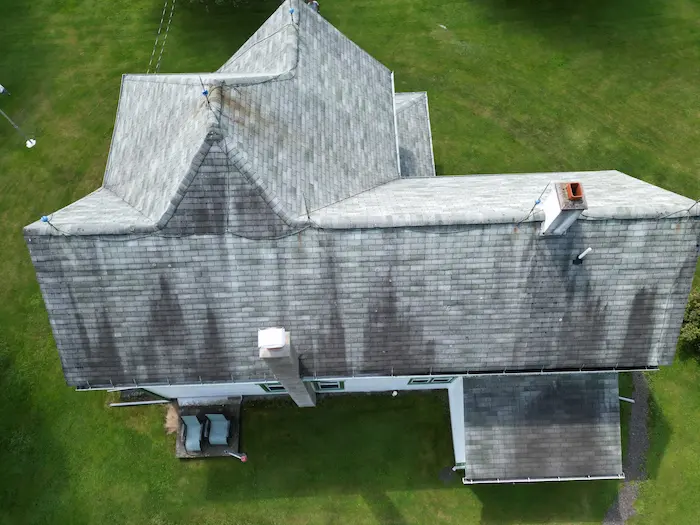
Black Streaks on Roof Shingles: What Causes Them?
Learn what causes black streaks on asphalt shingles, how they should be cleaned safely, and how algae-resistant shingles can help.
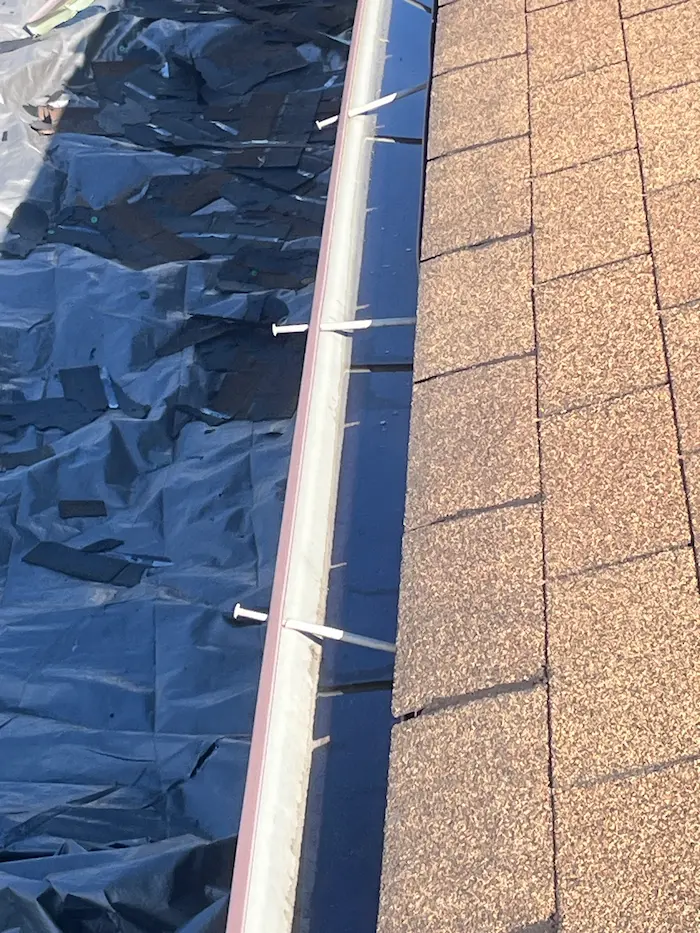
How Clogged Gutters Can Cause Hidden Water Damage
See how poor gutter drainage can affect fascia, soffits, siding, landscaping, and the area around your home's foundation.
How to Prevent Ice Dams on Your Roof in Northeast Pennsylvania
Learn why ice dams form, how insulation and ventilation affect them, and what homeowners should do when ice builds along the roof edge.
Ready to Talk About Your Roof?
Contact Zenobi Roofing Inc. for roof replacement, roof repair, storm damage inspections, and gutter services throughout Archbald, Scranton, Clarks Summit, the Mid Valley, and surrounding NEPA communities.