
Emergency Roof Leak: What to Do When Water Starts Coming Through Your Ceiling
Emergency Roof Leak Guide
Emergency Roof Leak: What to Do When Water Starts Coming Through Your Ceiling
An emergency roof leak can quickly move the problem from the roof into ceilings, insulation, walls, flooring, and electrical areas of the home. The first priority is not finding a way onto the roof. It is keeping people away from immediate hazards, limiting interior damage where it can be done safely, and having the source of the leak evaluated once conditions allow.
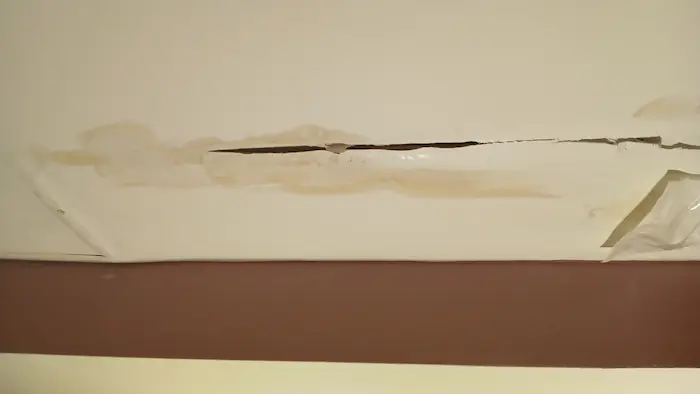
If your roof is actively leaking, protect people first and the house second. Stay away from sagging or bulging ceiling areas, avoid water near electrical fixtures or equipment, move belongings only when it is safe, and use a container to catch ordinary dripping water when there is no electrical or ceiling-collapse hazard. Do not climb onto a wet or storm-damaged roof. Once conditions are safe, have the roof evaluated so the actual entry point can be found and repaired.
In This Article
First Few Minutes
What Should You Do First When Your Roof Starts Leaking?
Water coming through the ceiling creates urgency, but the safest response starts inside the house.
Before worrying about the shingle, flashing detail, or repair cost, look at what the water is affecting below.
A leaking roof needs attention, but no roofing repair is more important than keeping people away from an unsafe electrical area or unstable ceiling.
Electrical Safety
What if Roof Water Is Coming Through a Light Fixture or Near Electricity?
Treat water near electrical equipment differently from an ordinary ceiling drip.
Ready.gov advises people not to touch electrical equipment if it is wet or if they are standing in water. That is a good rule anywhere roof water has reached powered equipment.
Do Not Touch the Wet Fixture
Do not touch a wet ceiling light, fan, switch, appliance, outlet, electrical panel, or other electrical component.
Do not stand in pooled water to reach a breaker panel or electrical device.
Keep other people out of the affected area.
Only Shut Off Power if You Can Do It Safely
Emergency guidance recommends turning off electricity when it is safe to do so. That does not mean walking through water or reaching into a wet electrical area to get to the panel.
If you cannot safely isolate the electrical hazard from a dry location, contact the appropriate electrician, utility provider, or emergency service for the situation.
Water damage is repairable. Do not risk an electrical shock trying to save drywall, flooring, or furniture.
Ceiling Damage
What Should You Do if the Ceiling Starts Bulging or Sagging?
Water can collect above drywall or other ceiling finishes before it becomes a steady drip.
A ceiling that visibly sags, bulges, cracks, sheds material, or appears unstable should be treated as a potential falling-material hazard.
Stay Out From Under It
Move people and pets away from the affected area and avoid placing yourself directly beneath the damaged ceiling.
We do not recommend that homeowners automatically puncture a bulging ceiling to release the water. The area may contain electrical wiring, fixtures, insulation, framing, or damaged material that you cannot see from below.
If a large part of the ceiling appears unstable, water has reached electrical components, or the room does not appear safe to occupy, keep the area clear and bring in the appropriate professionals before entering the damaged section.
Limit Interior Damage
How Can You Protect the Inside of the House During a Roof Leak?
Once you have ruled out immediate electrical and ceiling hazards, simple interior steps can help keep ordinary dripping water from spreading.
Use Containers Where Water Is Dripping
Place a stable bucket or container beneath a drip if the surrounding area is safe.
Check it periodically so it does not overflow and create a second water problem.
Move What You Can
Furniture, electronics, boxes, rugs, and other belongings can sometimes be moved away from the leak before they absorb additional water.
Protect Nearby Surfaces
Towels or other absorbent materials may help with small amounts of water on a safe floor surface. Avoid using anything that puts you into contact with wet electrical equipment.
The goal during the storm is containment, not a permanent roof repair from inside the house.
Roof Safety
Should You Climb Onto the Roof While It Is Leaking?
Not during rain, wind, snow, ice, darkness, or other unsafe roof conditions.
Roofing already involves fall hazards under normal working conditions. OSHA specifically identifies surfaces that become slick when wet and sudden wind as hazards even for experienced roofing workers.
An Active Leak Does Not Make the Roof Safer to Access
Wet shingles can be slippery. Storm damage may also leave loose materials, unstable sections, fallen branches, or conditions that are difficult to identify from the ground.
Walking on the roof can also damage already compromised roofing materials or place someone directly above weakened decking.
Interior damage can be repaired. A fall from a roof can cause a much more serious problem.
Temporary Protection
Should You Put a Tarp Over an Emergency Roof Leak?
A properly installed temporary covering can sometimes reduce additional water entry until a permanent repair is possible.
The problem is that installing one normally requires roof access, often immediately after the weather event that caused the leak.
Temporary Does Not Mean Risk-Free
A tarp should not become a reason for an untrained homeowner to climb onto a wet, windy, icy, damaged, or steep roof.
Roofing professionals still need appropriate fall protection and safe working conditions when installing temporary protection.
If conditions do not allow safe exterior work, limiting damage from inside and waiting for safer roof access may be the better option.
Temporary protection may buy time, but the actual failure still needs to be identified and corrected before the roofing system can be considered repaired.
Finding the Source
Is the Roof Leak Always Directly Above the Ceiling Stain?
No.
Owens Corning notes that a water spot on a ceiling may make the existence of a leak obvious while the actual cause can still be difficult to pinpoint.
Water can enter at one part of the roof and travel before it finally drips into the living space.
Water Can Follow the Building
Depending on the roof and leak path, water may move along the underside of decking, framing, fasteners, insulation, pipes, or other surfaces.
Gravity eventually brings it down, but the ceiling stain only shows where the water became visible inside.
The bucket shows where the water ended up. It does not always show where the roof first let it in.
Possible Leak Sources
Where Can an Emergency Roof Leak Start?
Roof leaks can come from many parts of the roofing system, which is why diagnosis matters before someone starts applying sealant to the first area that looks suspicious.
Our guide to roof flashing around chimneys and skylights explains why transitions are common areas to investigate during a leak.
During winter, also see our guide to ice dams on Northeast Pennsylvania roofs .
After Conditions Improve
What Happens When a Roofer Inspects an Emergency Roof Leak?
Once weather and site conditions permit safe access, the goal is to work backward from the water inside and identify the most likely exterior entry point.
We Do Not Look Only Above the Bucket
The interior location gives us a starting point, but it does not prove the exterior source.
Depending on the situation, we may look at shingles, penetrations, flashing, valleys, roof edges, previous repairs, accessible attic areas, decking conditions, and the path the water appears to have followed.
The Weather Can Affect What We Can Confirm
Some conditions are easier to evaluate once heavy rain, wind, snow, or ice has stopped.
A temporary measure may sometimes make sense before the permanent repair, especially when the damaged area cannot yet be worked on safely.
Finding the Entry Point Matters
Simply sealing the roof directly above the ceiling stain can miss the real source if water traveled before becoming visible.
Our goal is not just to stop the drip you can see. It is to understand how the water entered the roofing system in the first place.
Hidden Damage
Can an Emergency Roof Leak Damage the Roof Decking?
It can, but one roof leak does not automatically mean the wood has rotted.
The amount of damage depends on factors such as how much water entered, how long the condition existed, whether the same area repeatedly became wet, and how well the materials dried between events.
Long-Term Leakage Deserves More Attention
A leak that has repeatedly wet the same section of wood may create more concern than a newly damaged shingle that began leaking during one recent storm.
Our guide to rotted roof decking and damaged sheathing explains why moisture exposure, actual wood condition, and nail-holding ability matter more than surface color alone.
Stopping the leak prevents more water from entering. It does not tell us by itself whether the materials underneath already need repair.
Repair or Replace?
Does an Emergency Roof Leak Mean You Need a New Roof?
No.
A dramatic interior leak can sometimes come from a localized roofing failure. A smaller visible leak can also be part of a much more widespread roofing problem.
The amount of water inside does not automatically determine the size of the exterior repair.
When a Repair May Make Sense
If the leak comes from one damaged component and the surrounding roofing system remains serviceable, a roof repair may address the problem.
When Replacement Becomes More Reasonable
Widespread shingle deterioration, repeated leaks in different areas, extensive decking concerns, or a roofing system that no longer supports practical long-term repairs can change the recommendation.
An emergency leak tells us the roof needs attention. The inspection tells us whether that attention should be a repair or something larger.
Keep a Record
Should You Take Photos of a Roof Leak?
Yes, when you can do so without entering an unsafe area.
Photographs can help document when the water appeared, which rooms were affected, how the stain changed, and what belongings or finishes became wet.
Take photos from safe interior and ground-level locations. Do not climb onto the roof simply to photograph storm damage.
Insurance Coverage Depends on the Policy and Cause
If you plan to contact your insurance carrier, keep records of the visible damage and any emergency work that was completed.
Coverage depends on the policy, cause of loss, exclusions, maintenance history, and the facts of the claim. A roofing contractor can document roof conditions and roofing work, but the insurance carrier determines coverage under the policy.
A ground-level or interior photo is useful. A photograph is not worth walking onto an unsafe roof during a storm.
Difficult Leaks
What if the Roof Leak Is Hard to Find?
Some leaks become obvious once the damaged area is inspected.
Others require more investigation because the water path is indirect, the leak happens only during certain wind directions, or the source sits near a complicated transition.
Visual inspection, attic observations, moisture information, infrared patterns, drones, and controlled testing can sometimes help narrow the possibilities. None of those methods lets a contractor literally see through every roofing material.
Our guide to roof inspections and hidden leak detection explains what modern inspection tools can tell us and, just as importantly, what they cannot.
The best leak diagnosis combines the evidence from the house with an understanding of how water moves through the roof assembly.
FAQs
Questions About Emergency Roof Leaks
What should I do first when my roof starts leaking?
Keep people away from any sagging ceiling or electrical hazard. If the area is otherwise safe, move belongings and place a container beneath an ordinary drip. Do not climb onto a wet or storm-damaged roof. Contact a roofer so the exterior source can be evaluated when conditions are safe.
What if water is leaking through a ceiling light?
Stay away from the fixture and do not touch wet electrical equipment or stand in water to reach electrical components. Keep others out of the area. If electricity cannot be safely isolated from a dry location, contact the appropriate electrician, utility provider, or emergency service.
Should I poke a hole in a bulging ceiling to drain the water?
We do not recommend automatically puncturing a bulging ceiling. Water may be near wiring, fixtures, insulation, framing, or damaged ceiling material that you cannot see. Keep people away from an unstable area and have the condition handled safely.
Should I climb on the roof and put a tarp over the leak?
Do not climb onto a wet, icy, windy, dark, steep, or storm-damaged roof. Temporary coverings can sometimes reduce additional water entry, but roof access itself creates a serious fall hazard and requires safe working conditions.
Is the roof leak directly above the ceiling stain?
Not always. Water can travel along roof decking, framing, fasteners, and other surfaces before it reaches the ceiling. The visible stain helps narrow the search but does not prove the exterior entry point.
Does a leaking roof always need to be replaced?
No. Some leaks come from localized shingle, flashing, or penetration problems that can be repaired. Replacement becomes more reasonable when the overall roof has widespread deterioration, repeated failures, or other larger problems.
Can a roof leak cause rotted decking?
Repeated or long-term moisture can contribute to decking deterioration, but one leak does not automatically mean the wood has rotted. The deck needs to be evaluated based on its actual condition.
Can a roofer repair the roof while it is raining?
Weather and roof conditions determine what work can be performed safely. Wet or windy roofs create additional fall hazards. In some situations, interior containment or temporary stabilization may need to come first, with the exterior repair completed when safe access is possible.
Should I take pictures of the roof leak for insurance?
Photos can create a useful record when they can be taken safely. Document visible interior damage and exterior conditions from the ground. Insurance coverage depends on the specific policy and cause of loss, so contact the carrier for coverage questions.
Why does my roof only leak during heavy wind-driven rain?
Wind can change how water reaches shingles, flashing, walls, vents, and other roof transitions. A leak that appears only under certain weather conditions may require closer investigation of the surrounding roof details and the path the water follows.
Recent Articles
Roofing Advice & Guides
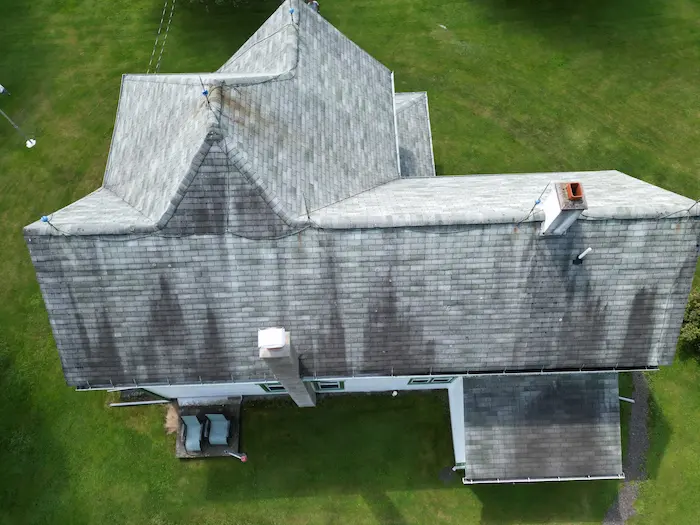
Black Streaks on Roof Shingles: What Causes Them?
Learn what causes black streaks on asphalt shingles, how they should be cleaned safely, and how algae-resistant shingles can help.
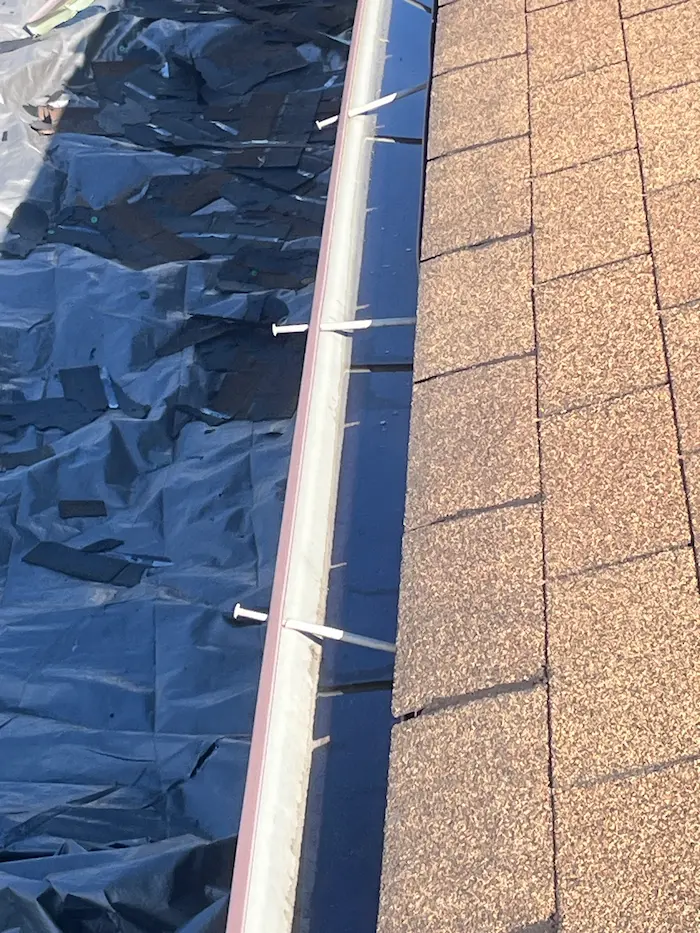
How Clogged Gutters Can Cause Hidden Water Damage
See how poor gutter drainage can affect fascia, soffits, siding, landscaping, and the area around your home's foundation.
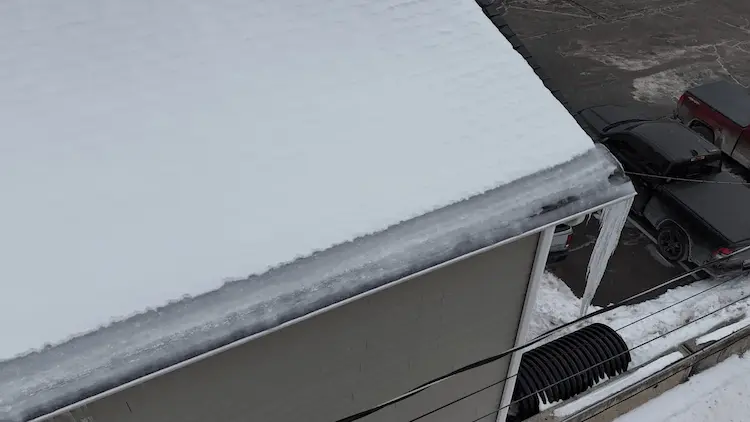
How to Prevent Ice Dams on Your Roof in Northeast Pennsylvania
Learn why ice dams form, how insulation and ventilation affect them, and what homeowners should do when ice builds along the roof edge.
Ready to Talk About Your Roof?
Contact Zenobi Roofing Inc. for roof replacement, roof repair, storm damage inspections, and gutter services throughout Archbald, Scranton, Clarks Summit, the Mid Valley, and surrounding NEPA communities.