Buying a House With an Old Roof: What Northeast PA Buyers Should Know
Home Buyer Roofing Guide
Buying a House With an Old Roof: What Northeast PA Buyers Should Know
An older roof does not automatically make a house a bad purchase. What matters more is the roof's actual condition, whether it is leaking, how the shingles and flashing are aging, whether previous repairs have held up, and what work the roof is likely to need after you own the home.
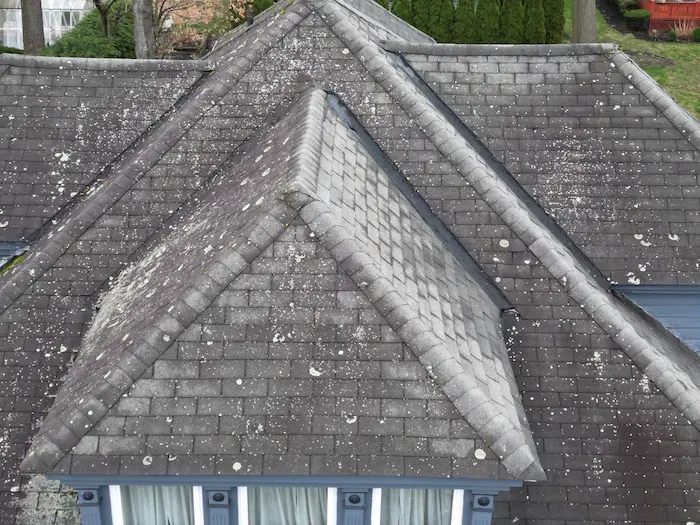
Buying a house with an old roof can still make sense. Do not make the decision from roof age alone. Look at the actual condition, review the home inspection, investigate significant roofing concerns, and get a roofing estimate when needed. Once you know whether the roof needs a small repair, major repair, or replacement, you can make a much better decision about the home and the purchase.
In This Article
Start With the Condition
Is Buying a House With an Old Roof a Bad Idea?
Not necessarily.
An older roof can still be functioning properly, while a newer roof can develop problems from poor installation, storm damage, flashing issues, or other conditions.
The age gives you useful context, but it does not tell you exactly what the roof needs today.
Think About the Expense You May Be Taking On
The important question for a buyer is whether the roof may require a major expense soon after closing.
A roof that has several years of useful service remaining creates a very different situation from one with active leaks, widespread deterioration, or extensive repair needs.
Do not decide whether a house is a good or bad purchase simply because someone calls the roof “old.” Find out what condition the roof is actually in.
Roof History
How Can You Find Out How Old the Roof Is?
The seller may know when the roof was installed, but sometimes the exact date is unclear.
If the home changed ownership several times, the current seller may only have an estimate.
Look for Actual Roofing Records
When available, documents can provide better information than a guess based on appearance.
If nobody can document the exact age, treat the age as one clue and place more weight on the roof's current condition.
Before the Inspection
What Can a Buyer Look for From the Ground?
You do not need to climb onto a roof during a showing to notice obvious conditions.
In fact, buyers should avoid walking unfamiliar roofs. Roof slopes, deteriorated materials, wet shingles, moss, frost, and loose debris can all create fall hazards.
Visible Conditions Worth Noticing
Owens Corning also lists conditions such as missing or damaged shingles, sagging areas, leaks, and other visible deterioration among signs that an aging roof may need closer evaluation.
Home Inspection
What Can a Home Inspector Tell You About an Older Roof?
A thorough home inspection gives buyers an independent look at the physical condition of the property.
The inspector may identify visible roofing concerns, evidence of leaks, attic staining, damaged shingles, flashing concerns, roof drainage issues, or other conditions that deserve attention.
The Consumer Financial Protection Bureau recommends scheduling an independent home inspection as soon as possible after choosing a home so buyers have time to understand major problems and arrange additional inspections when needed.
A Home Inspection and a Roofing Estimate Serve Different Purposes
A home inspector evaluates many systems throughout the property. A roofing contractor focuses more specifically on the roof and can help define the likely scope and cost of roofing work.
If the home inspector identifies an important roofing concern, getting more specific information before making a major financial decision can be useful.
“Have a roofer evaluate this area” is very different from “this house needs a complete new roof.”
Additional Evaluation
When Should a Buyer Have a Roofer Look at the House?
A roofing evaluation makes the most sense when the home inspection, disclosure, or visible condition raises a meaningful concern.
Examples That May Deserve a Closer Look
Active or previous leaks, several repair areas, significant shingle deterioration, chimney flashing concerns, visible decking problems, and an unclear roof history can all justify more specific roofing information.
The goal is not to find a reason to replace every older roof.
The goal is to determine whether the buyer is looking at a reasonable maintenance item, a repair, or a larger replacement expense.
The more money the roofing concern could involve, the more useful an actual roofing evaluation and estimate become.
Inspection Findings
What if the Home Inspection Report Just Says the Roof Is Old?
Start by reading what the inspector actually observed.
Sometimes the age appears as general background information. Other times the inspector also identifies active defects, visible wear, leaking, damaged flashing, or another concern.
Separate Age From an Actual Defect
If the only information is that the roof appears older, ask whether the inspector observed a specific problem.
If the report documents several concerns, those conditions provide a better reason to investigate further.
Ask, “What is wrong with the roof?” before jumping directly to, “How much does a new roof cost?”
Understanding the Scope
How Do You Know Whether the Roof Needs Repair or Replacement?
The answer depends on how widespread the problem is and the condition of the rest of the roofing system.
A Localized Problem May Be Repairable
One failed flashing detail, an isolated damaged area, or another limited problem does not automatically mean every shingle on the house needs to come off.
Our guide to roof flashing around chimneys and skylights explains why leaks at roof transitions can sometimes come from a specific detail rather than the entire roof.
Widespread Problems Can Change the Decision
Replacement becomes more reasonable when deterioration affects large parts of the roof, several separate areas need repair, the roof repeatedly leaks, or the system has reached a condition where repairs no longer provide a practical long-term solution.
Buyers should compare the scope of an actual roof repair with the cost and benefits of a full roof replacement .
Knowing whether you may inherit a $700 repair or a major roof replacement is far more useful than knowing only that the roof is “older.”
What You Cannot Always See
Can an Older Roof Have Hidden Decking Damage?
Yes, but buyers should not assume hidden decking damage exists simply because the shingles are old.
Roof decking sits beneath the roofing materials. Long-term leaks or other moisture problems can damage the wood, and some conditions remain difficult to confirm until the roofing materials come off.
There May Still Be Clues
Attic staining, known leak history, soft areas, visible deterioration from below, irregular decking, or repeated leaks can provide reasons for concern.
Even then, the full amount of replacement sometimes remains unknown until a tear-off exposes the decking.
Our guide to rotted roof decking and damaged sheathing explains why this wood layer matters and what happens when it no longer provides a solid roofing surface.
When the contractor cannot see all of the wood before tear-off, the proposal should explain how additional sheathing will be handled if the crew discovers damaged areas during replacement.
Pennsylvania Home Purchases
Does the Seller Have to Tell You About a Roof Leak?
Pennsylvania's seller disclosure rules require sellers to disclose known material defects that are not readily observable.
The Commonwealth's Seller Property Disclosure Statement includes specific questions about the roof, including whether the roof has leaked and information about repairs or other roof conditions.
The Disclosure Is Useful, but It Is Not a Roof Inspection
The seller can only disclose information they know.
A seller may also know about an old repair without knowing the current condition of every shingle, flashing detail, or piece of roof decking.
Read the seller disclosure carefully, but do not use it as a substitute for an independent home inspection.
Questions about a specific disclosure obligation, purchase agreement, or legal right should go to the appropriate real-estate or legal professional.
Using the Information
How Can an Older Roof Affect the Home Purchase Negotiation?
Once you understand what the roof actually needs, you have useful information instead of a guess.
The Consumer Financial Protection Bureau notes that buyers may negotiate with sellers over who makes or pays for repairs when an inspection finds problems. What options a buyer has depends on the purchase contract and local market conditions.
Start With an Actual Scope and Cost
If a roofer finds one repairable problem, the discussion may look very different from a roof that needs complete replacement.
Depending on the transaction, buyers and sellers may discuss completed repairs, price, credits, closing-cost contributions, or another solution. Those decisions belong to the parties involved in the real-estate transaction.
We can explain the roofing condition, recommend repair or replacement when appropriate, and provide a price for the roofing work. Buyers should work with their real-estate agent, lender, attorney, and other professionals when deciding how that information affects the purchase agreement.
Before Closing
Can a Serious Roof Problem Complicate the Mortgage or Closing?
It can in some situations.
CFPB explains that certain loan programs may require a property to meet specific standards. If an appraisal identifies major repairs, such as a needed new roof, a lender may require work before closing or may use another approved process to address the repair.
That does not mean every older roof creates a financing problem.
Ask Early if the Roof Is Already a Known Concern
If the inspection or appraisal identifies a significant roofing issue, buyers should speak with their lender and real-estate professionals before assuming the repair can simply wait until after closing.
A roofing estimate tells you what the roof may cost. Your lender tells you what your particular loan requires.
Roof Warranties
What if the Seller Says the Roof Is Still Under Warranty?
Ask for the actual warranty documents.
A roof may have manufacturer coverage, contractor workmanship coverage, or an extended roofing-system warranty. Those warranties can have different terms and transfer requirements.
Do not assume the phrase “lifetime warranty” means every future roof problem will receive full coverage.
Our roof warranty guide explains manufacturer coverage, workmanship protection, transfer deadlines, and why the written documents matter.
If warranty coverage is part of the value you place on the roof, confirm that the warranty can actually transfer before the applicable deadline.
Our Perspective
How We Look at an Older Roof for a Home Buyer
One of the hardest questions homeowners ask is, “How many years does this roof have left?”
We understand why buyers want a number, but roofs do not age on an exact countdown.
We Look at the Roof Before Trying to Predict the Future
We look at how the shingles are aging, previous repairs, roof edges, flashing, penetrations, visible decking concerns, leak history, and the overall condition of the system.
Sometimes an older roof still looks serviceable and does not show a reason for immediate replacement.
In other cases, several conditions together make the need for replacement much clearer.
We would rather tell a buyer what we can see and what the roof appears to need than give a precise remaining-life number that nobody can guarantee.
Before You Close
Roof Checklist for Buying a Northeast Pennsylvania Home
If the home has an older roof, work through the information in a logical order.
An older roof becomes much less mysterious once you know its condition, likely scope of work, and realistic cost.
Seller Perspective
What if You Are Selling the House Instead?
Sellers face the opposite side of the same question.
Should you replace an aging roof before listing, make a repair, or allow the existing condition to become part of the sale?
Our guide to replacing a roof before selling a Scranton home explains why the answer depends on actual roof condition rather than roof age alone.
FAQs
Questions About Buying a House With an Old Roof
Should I buy a house with an old roof?
An older roof does not automatically make a home a bad purchase. Find out the roof's condition, whether it leaks, what repairs it needs, and whether replacement may be approaching. Then consider those costs as part of the overall home purchase.
How old is too old for a roof when buying a house?
There is no single age that makes every roof unacceptable. Material, installation, weather exposure, ventilation, maintenance, repairs, and current condition all affect how a roof ages. Evaluate the roof itself rather than relying only on its age.
What if the home inspector says the roof is near the end of its life?
Ask what visible conditions led to that conclusion. If replacement could become a significant expense, a roofing contractor can provide a more specific evaluation and estimate before you make a major decision about the property.
Should I have a roofer inspect the roof before buying?
A separate roofing evaluation can be useful when the home inspection, seller disclosure, or visible condition identifies a significant roof concern. It can help determine whether the issue looks repairable or whether replacement may make more sense.
Can I ask the seller to replace an old roof?
Inspection findings can become part of a real-estate negotiation, but the options depend on the purchase contract and circumstances. First determine what the roof actually needs and what the work is likely to cost, then discuss the transaction with your real-estate professionals.
Can the seller give me a credit instead of replacing the roof?
Depending on the purchase agreement, financing, and negotiation, buyers and sellers may discuss repairs, credits, price, closing-cost contributions, or another solution. The lender may also have requirements when a property needs major repairs.
Does the seller have to disclose a leaking roof in Pennsylvania?
Pennsylvania's seller disclosure rules require disclosure of known material defects that are not readily observable. The state's disclosure form contains specific questions about the roof. Buyers should still obtain an independent inspection and seek professional advice about a specific transaction when needed.
Can roof decking damage be hidden during a home inspection?
Yes. Some roof decking remains concealed beneath roofing materials, so the full condition may not be visible before tear-off. Attic staining, leak history, visible deterioration, or other signs can provide clues, but they may not reveal every damaged area.
Can an old roof affect my mortgage?
It can in some situations. Certain loan programs or appraisals may require major property repairs to be addressed before or around closing. Buyers should ask their lender about the requirements for their specific loan.
Does a roof warranty transfer when I buy the house?
Some manufacturer and workmanship warranties can transfer, but the terms and deadlines vary. Ask for the actual warranty paperwork and confirm the transfer requirements rather than assuming the coverage automatically follows the house.
Recent Articles
Roofing Advice & Guides
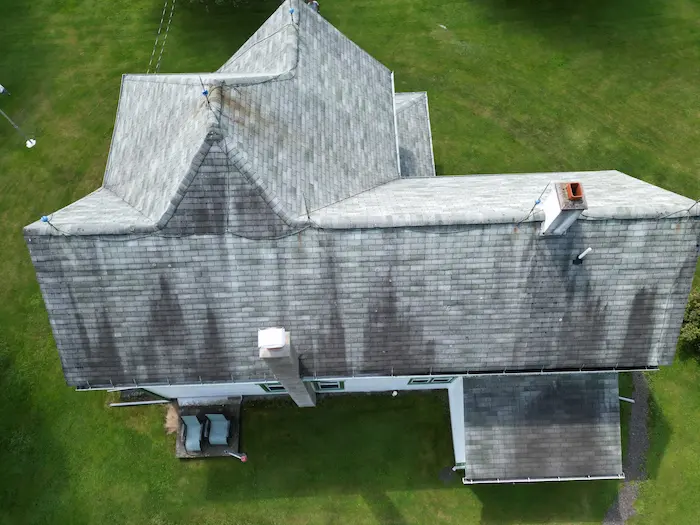
Black Streaks on Roof Shingles: What Causes Them?
Learn what causes black streaks on asphalt shingles, how they should be cleaned safely, and how algae-resistant shingles can help.
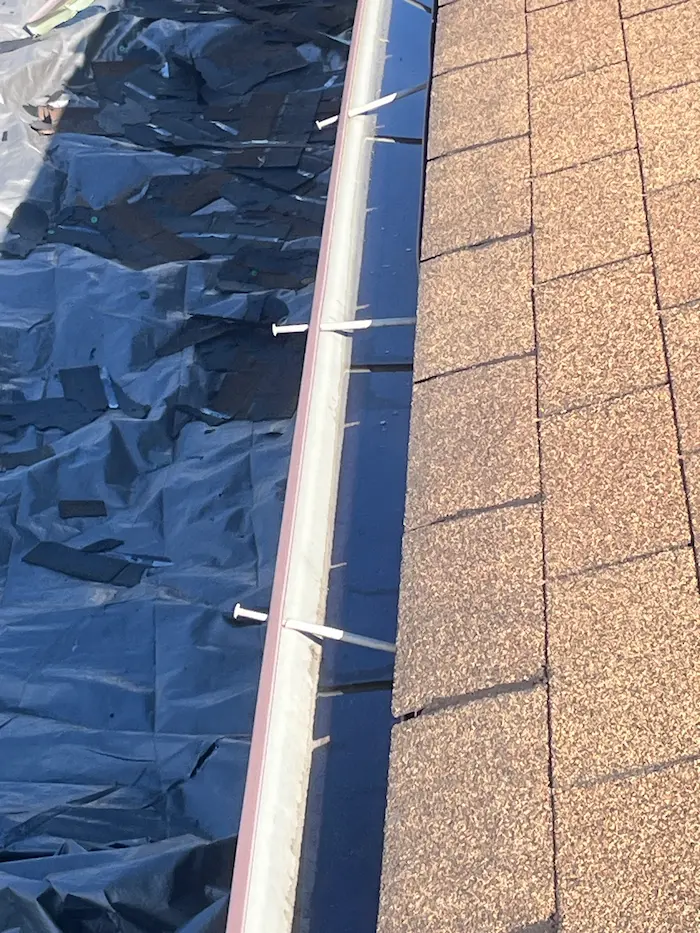
How Clogged Gutters Can Cause Hidden Water Damage
See how poor gutter drainage can affect fascia, soffits, siding, landscaping, and the area around your home's foundation.
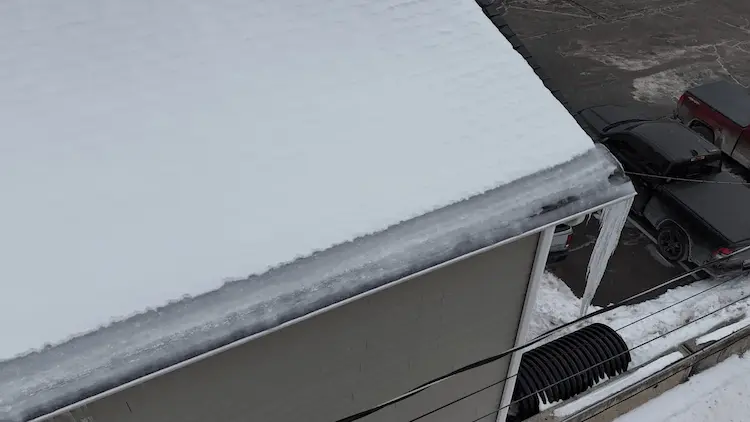
How to Prevent Ice Dams on Your Roof in Northeast Pennsylvania
Learn why ice dams form, how insulation and ventilation affect them, and what homeowners should do when ice builds along the roof edge.
Ready to Talk About Your Roof?
Contact Zenobi Roofing Inc. for roof replacement, roof repair, storm damage inspections, and gutter services throughout Archbald, Scranton, Clarks Summit, the Mid Valley, and surrounding NEPA communities.