
Roof Permits in Lackawanna County: What Homeowners Need to Know
Local Roofing Guide
Roof Permits in Lackawanna County: What Homeowners Need to Know
Roof permit and inspection requirements can change from one municipality to the next in Lackawanna County. Scranton, Dunmore, Archbald, Mayfield, Jermyn, Throop, Dickson City, and Blakely may all handle a roofing project differently. Understanding that local process before work begins can help prevent delays once the old roof comes off.
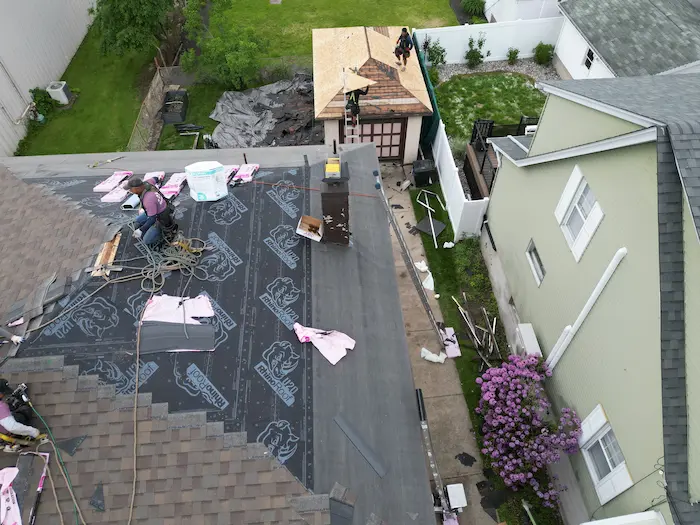
There is no single roofing permit and inspection process that works the same way throughout Lackawanna County. Pennsylvania provides the statewide building-code framework, but local municipalities and their code officials handle many of the permit and inspection details. Requirements can also change, so the contractor should verify the current process before each job.
In This Article
Local Requirements
Is There One Roof Permit Rule for All of Lackawanna County?
No. This is one of the most important things for local homeowners to understand.
Pennsylvania has a statewide construction code known as the Uniform Construction Code, or UCC. The Commonwealth establishes that framework, while municipalities can handle administration and enforcement in different ways.
Some municipalities use their own code officials. Others work with a third-party inspection agency. The permit application, fee, required inspections, and timing can therefore differ even when two homes sit only a few miles apart.
“Lackawanna County” tells you where the house is. It does not tell you the complete roofing permit process.
The municipality where the property sits is usually the better place to start when determining what a residential roofing project requires.
An Important Difference
A Roofing Permit and a Roofing Inspection Are Not the Same Thing
Homeowners sometimes hear that a town requires a roof permit and assume an inspector will automatically visit the property during every replacement. That is not always how the local process works.
A municipality may require the contractor or homeowner to obtain a roofing permit but not require a routine field inspection for the normal scope of work.
Another municipality may require the permit and also want to see certain parts of the roof before the contractor covers them with shingles.
A town can require a roofing permit without requiring the same inspections as the town next door.
What We See Locally
Roofing Permit and Inspection Procedures Can Differ Between Nearby Towns
We see these differences regularly while completing roof replacements throughout the Lackawanna Valley.
The examples below reflect the way several municipalities have handled recent residential roofing projects we have worked on. They are useful examples, but they should not be treated as permanent rules because municipalities can change their procedures.
They describe procedures we have encountered on recent projects. A borough, township, city, code official, or inspection agency can change a permit or inspection procedure, so we verify the current requirements rather than relying only on what applied to the last roof we completed in that town.
Scranton
Does a Roof Replacement Need a Permit in Scranton?
Scranton currently states that construction projects in the City require a permit and that work should not begin until the required permit is in place.
The City also requires contractors performing residential home-improvement work to hold the applicable Scranton contractor license.
Scranton currently uses Northeast Inspection Consultants for residential and commercial plan review.
Scranton Is Different From Many Nearby Boroughs
In our normal service area, Scranton is the municipality where we currently deal with a separate local contractor licensing requirement in addition to Pennsylvania's home-improvement contractor registration.
That is a good example of why a contractor should not assume the paperwork from one town automatically satisfies another.
A contractor can meet Pennsylvania's state registration requirements and still need additional local authorization to work in Scranton.
Archbald Example
One Local Roof Permit Can Cover a Normal Replacement but Not Every Type of Roof Work
Archbald provides a useful example of how the scope of a roofing project can affect the permit process.
The Borough's current Roof Work Permit allows work such as removal and replacement of roofing material, drip edge, ice and water protection, ridge vent material, and minor repair or replacement of roof sheathing.
The same permit form states that work involving rafters, trusses, or complete sheathing replacement requires a UCC building permit application.
Why This Matters During a Tear-Off
A roof can look like a straightforward shingle replacement from the outside. Once the old shingles come off, however, the contractor may uncover conditions that change the scope.
A few damaged sheets of roof decking are different from discovering that the entire deck or structural framing needs major work.
The amount and type of work uncovered during the project can matter just as much as the roof replacement originally planned.
During the Roof Replacement
Why Would an Inspector Need to See the Roof Before the Shingles Go On?
Some of the most important parts of a roof disappear once the installation is complete.
Ice and water protection sits beneath the finished shingles. Roof sheathing also becomes hidden as the roofing system moves forward.
When a municipality requires an inspection of one of those stages, the contractor may need to pause long enough for the inspector to see the work before covering it.
Ice and Water Protection
On projects where the municipality wants to inspect this stage, the inspector needs to see the membrane while it remains visible.
Once underlayment and shingles cover the area, that inspection becomes much more difficult.
Roof Sheathing
When damaged decking requires replacement, an inspection may need to occur while the sheathing and surrounding roof remain visible.
This is one reason inspection scheduling can affect the pace of a roofing project even when the roofing crew itself is ready to continue.
In municipalities that require a mid-project inspection, stopping before covering a required area is simply part of following the local process.
Hidden Conditions
What Happens if Damaged Roof Sheathing Is Found During the Job?
Contractors cannot always know the full condition of roof decking before removing the old roofing material.
Stains in an attic, visible deterioration at an edge, or soft areas can provide clues, but other damaged sections may remain hidden until the tear-off exposes them.
If the crew finds damaged sheathing, the next step depends on how much damage exists and what the municipality requires for that scope.
Minor replacement may fit within the normal roofing process in one municipality. Extensive decking or structural work may trigger additional permit requirements or inspections.
Our guide to rotted roof decking and failed sheathing explains why the condition of the wood beneath the shingles matters to the finished roof.
Contractor Requirements
PA Home Improvement Registration and a Local Contractor License Are Different
Pennsylvania requires most contractors that perform more than $5,000 in home-improvement work during a year to register under the Home Improvement Consumer Protection Act.
Residential roofing falls within the type of home-improvement work covered by that registration system.
The Pennsylvania Attorney General administers the program, and homeowners can search the state's contractor-registration database.
State Registration
Pennsylvania home-improvement registration applies at the state level. A registered contractor receives a PA Home Improvement Contractor number and must follow applicable consumer-protection requirements.
Local Licensing
A local contractor license comes from a municipality and represents a separate requirement.
Scranton currently requires this additional local license for applicable residential contracting work.
A PA Home Improvement Contractor registration should not automatically be described as a local roofing license. They are two different things.
Installation Standards
Passing a Permit Inspection Is Not the Only Requirement for a Good Roof
Building-code requirements establish important minimum standards, but a roofing contractor also needs to follow the installation requirements for the roofing products being used.
Shingle manufacturers provide instructions for fastening, roof slope, underlayment, flashing details, starter shingles, valleys, and other parts of the system.
Local conditions also matter. A permit approval does not make poor chimney or skylight flashing acceptable, just as a strong manufacturer warranty does not replace proper installation.
Our roof warranty guide explains the difference between manufacturer product protection and contractor workmanship coverage.
Permits, code requirements, manufacturer instructions, and good roofing workmanship overlap, but they do not mean exactly the same thing.
Changing Requirements
Why We Recheck Permit Requirements Instead of Relying on an Old Job
Local permit procedures do not stay frozen forever.
Throop provides a recent example. The Borough currently states that roofing permits became required beginning January 1, 2026.
A contractor who relied only on how roofing jobs worked there several years ago could easily use outdated information.
Municipalities can also change inspectors, third-party agencies, fee schedules, forms, inspection stages, and administrative procedures.
For that reason, we treat permit requirements as something to verify for the current project—not something to memorize once and assume will never change.
Before Work Begins
What Should a Homeowner Ask About the Roofing Permit?
Homeowners do not need to become building-code experts before replacing their roof.
A few straightforward questions can usually make the process clear.
The simplest approach is to confirm the permit and inspection process before the crew starts removing the old roof.
For more information about what happens during the actual installation, visit our roof replacement page .
FAQs
Questions About Roof Permits in Lackawanna County
Do I need a permit to replace a roof in Lackawanna County?
Permit requirements depend on the municipality where the property is located. Lackawanna County does not use one identical residential roofing permit process for every city, borough, and township. The current local requirement should be verified before work begins.
Does every roofing permit require an inspection?
No. A permit and a field inspection are different parts of the process. Some local municipalities require a roofing permit without the same routine inspection stages used by neighboring municipalities.
Does Scranton require a roofing permit?
Scranton currently states that construction projects require a permit and that work should not begin without the applicable permit. Roofing contractors must also meet the City's applicable contractor licensing requirements.
Does every Lackawanna County town require a local contractor license?
No. Pennsylvania home-improvement contractor registration and local municipal licensing are different requirements. In Zenobi Roofing's current day-to-day service area, Scranton is the municipality where we encounter a separate local contractor license for residential roofing work.
Why would a roof need an inspection before the shingles are installed?
Some municipalities want an inspector to see work that the finished roof will later hide. Depending on the local process and project scope, this can include ice and water protection or roof sheathing.
Does Archbald require a roof permit?
Archbald currently has a specific Roof Work Permit for standard roofing work. Its current form covers items such as roofing material, drip edge, ice and water protection, ridge vent material, and minor sheathing repair. More extensive structural or sheathing work can require a UCC building permit application.
Does Throop require a roofing permit?
Yes. Throop Borough currently states that roofing permits are required as of January 1, 2026. This recent change is also a good example of why contractors should verify local requirements before each project.
Who should obtain the roofing permit?
The process can vary by municipality and project. Homeowners should confirm with their contractor who will complete the permit application and handle any required inspection scheduling before the work begins.
Can permit requirements change after I received a previous roof estimate?
Municipalities can change permit forms, fees, inspectors, inspection procedures, and other requirements. Contractors should confirm the current process when the project is ready to move forward rather than relying only on information from an older job.
Recent Articles
Roofing Advice & Guides
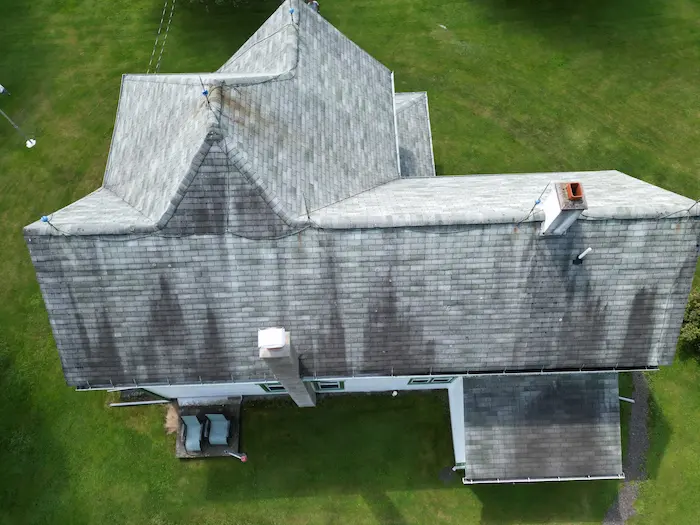
Black Streaks on Roof Shingles: What Causes Them?
Learn what causes black streaks on asphalt shingles, how they should be cleaned safely, and how algae-resistant shingles can help.
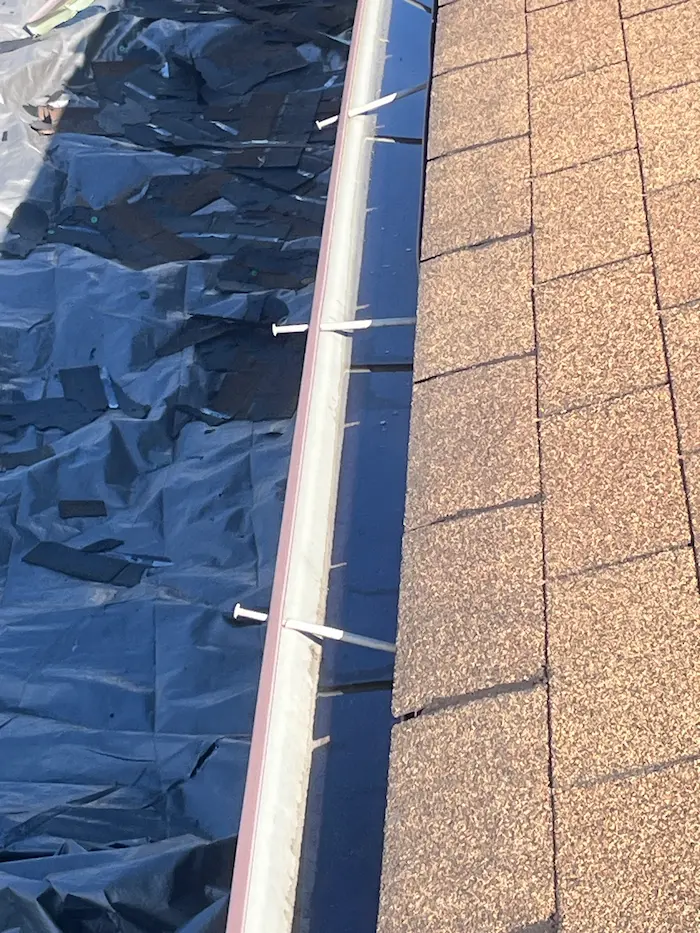
How Clogged Gutters Can Cause Hidden Water Damage
See how poor gutter drainage can affect fascia, soffits, siding, landscaping, and the area around your home's foundation.
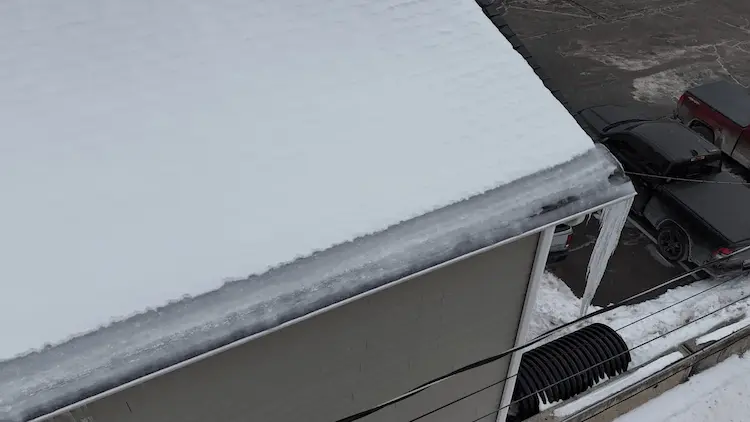
How to Prevent Ice Dams on Your Roof in Northeast Pennsylvania
Learn why ice dams form, how insulation and ventilation affect them, and what homeowners should do when ice builds along the roof edge.
Ready to Talk About Your Roof?
Contact Zenobi Roofing Inc. for roof replacement, roof repair, storm damage inspections, and gutter services throughout Archbald, Scranton, Clarks Summit, the Mid Valley, and surrounding NEPA communities.