How to Choose the Best Shingle Color for Your Northeast Pennsylvania Home
Roof Design
How to Choose the Best Shingle Color for Your Northeast Pennsylvania Home
A roof can cover a large part of what you see when looking at a home from the street. Choosing the best shingle color is therefore about more than finding a sample you like. Siding, brick, stone, trim, gutters, roof size, architectural style, and even the amount of sunlight reaching the house can change how that same color looks once it is installed.
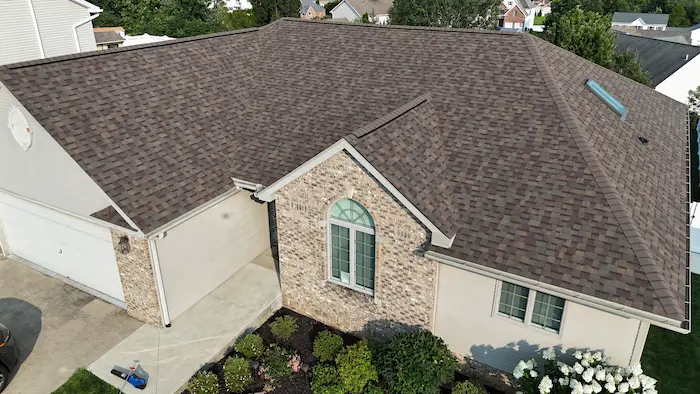
The best shingle color is usually one that coordinates with the permanent exterior materials already on the home. Start with brick, stone, siding, and trim, determine whether those colors lean warm or cool, and then compare a few shingle samples outside in natural light before making the final choice.
In This Article
Where to Begin
Start With the Colors That Are Staying on the House
The easiest mistake to make when choosing shingles is looking at the roof color by itself.
Unless the entire exterior is being changed at the same time, the new roof has to work with materials that are already there.
Brick and stone are especially important because they are often among the least likely exterior materials to change during the life of the new roof. Siding, trim, shutters, gutters, soffit, fascia, doors, and other visible features should also be considered.
Instead of asking, "Which shingle color do I like best?" start by asking, "Which shingle color looks best on this particular house?"
Owens Corning's roof-color guidance similarly recommends considering the home's complete exterior rather than choosing shingles as an isolated design element.
Color Undertones
Warm and Cool Undertones Can Make a Big Difference
Two roofs can both look gray on a sample board while having very different undertones.
One gray may contain warmer brown, beige, or reddish tones. Another may lean toward blue, charcoal, or cooler slate tones.
Those subtle differences become important when the shingles are placed beside the colors already on the home.
These are starting points rather than strict rules. The actual house should always be considered before choosing the final shingle.
Exterior Pairing
What Roof Color Works Best With Different Siding Colors?
Siding usually covers more exterior surface area than any material other than the roof itself, so the two colors need to work together.
White or Off-White Siding
White siding gives homeowners a wide range of roof-color options. Charcoal, gray, brown, blended colors, and even more distinctive shingle colors can work depending on the trim, shutters, doors, and architectural style.
With a mostly white exterior, the roof can become one of the strongest colors on the house.
Gray Siding
With gray siding, look beyond the word "gray." Determine whether the siding has warm beige undertones, cool blue undertones, or a more neutral appearance.
A roof with a slightly different tone can create definition. Choosing two nearly identical grays can sometimes make the roof and siding blend together more than intended.
Beige, Tan or Cream Siding
Warm neutral siding can coordinate well with brown, weathered gray, warm charcoal, and multi-tone shingles that contain some of the same exterior colors.
Blue or Green Siding
Blue and green siding can work with neutral roof colors, but the exact undertone matters. Cooler grays and charcoals can create a different look from warm brown-gray blends.
There is rarely one mandatory roof color for a siding color. The goal is to make the roof and exterior look intentional together.
Permanent Materials
Use Brick and Stone to Help Choose the Roof Color
Brick and stone can make color selection easier because they often contain several colors rather than one solid tone.
Stand back from the house and look for the secondary colors within the masonry.
Red brick, for example, may also contain charcoal, brown, orange, cream, or gray. Stone may contain a mixture of beige, gray, brown, blue, or warmer earth tones.
Pulling one of those quieter colors into the roof can help the two materials feel connected without trying to match the brick or stone exactly.
In many cases, coordination works better than an exact match. Repeating a secondary tone from the masonry can create a more natural transition between the roof and exterior.
Roof Visibility
The Same Shingle Color Can Look Different on a Large Roof
A small sample shows the individual granules and color blend up close. A finished roof is viewed from much farther away and may cover thousands of square feet.
Roof pitch matters too.
A steep roof that faces the street can make the shingle color a major part of the home's appearance. A lower-pitched roof may show relatively little roofing from the same viewpoint.
Dormers, valleys, gables, porches, additions, and other roof sections can also change how much of the color is visible.
The more roof you can see from the street, the more influence the shingle color has on the overall look of the house.
Before You Decide
Why a Shingle Sample Does Not Tell the Whole Story
Shingle samples are useful, but they are only one part of choosing a roof color.
A sample viewed indoors under artificial lighting may look noticeably different once it is outside.
Morning light, afternoon sun, shade, cloud cover, nearby trees, siding colors, and surrounding materials can all affect how your eye reads the shingle.
That is why we prefer looking at color choices in the setting where they will actually be installed whenever possible.
Shingle Blends
Some Shingle Colors Are Really a Blend of Several Colors
Architectural shingles often contain more variation than the color name suggests.
A roof sold as gray may contain lighter gray, charcoal, brown, tan, or other accent granules. A brown roof may include gray or warmer red tones.
From the ground, those colors combine into the overall roof appearance.
Owens Corning's current shingle collections illustrate this with many colors built from multiple tones rather than one uniform shade.
A more varied blend can work especially well when the house already contains brick or stone with several colors.
A quieter, more uniform-looking shingle may be preferable when the exterior already has a lot of visual detail.
Contrast
Should You Choose a Light or Dark Roof?
Dark shingles create stronger contrast on many light-colored homes. Lighter and mid-tone roofs can create a softer transition between the roof and the exterior.
Neither approach is automatically better.
Think about how much contrast already exists between siding, trim, windows, doors, shutters, masonry, and gutters.
A very dark roof can become a strong visual anchor. A medium blended roof may allow brick, stone, or another feature to remain the focal point.
Choose the amount of contrast you want first. Then choose the specific color within that range.
Roof Temperature
Does Shingle Color Affect Home Energy Use?
Roof color can influence how much solar energy a roof absorbs, but color alone does not tell the entire story.
The U.S. Department of Energy evaluates cool-roof materials using properties such as solar reflectance and thermal emittance.
That means homeowners should not assume that choosing a visibly lighter asphalt shingle will automatically create a large reduction in cooling costs.
The actual roofing product matters, along with attic insulation, air sealing, ventilation, house design, climate, and other parts of the building assembly.
Compare the actual performance information for the roofing product being considered instead of assuming every light roof is a cool roof or every dark roof performs the same way.
Digital Tools
Roof Color Visualizers Can Help Narrow the Choices
Digital visualization tools are useful because they let homeowners see a roof color across an entire house rather than only on a small sample.
Owens Corning's Design EyeQ roof visualization tool allows users to preview different shingles and experiment with exterior colors.
That can be especially helpful when deciding between two or three similar shades.
However, a screen is still not the same as seeing the actual roofing material outside.
Screen brightness, camera exposure, shadows, image processing, and the photograph itself can all change how a color appears.
Use a visualizer to narrow your choices. Use real samples and the actual house to make the final decision.
Real Homes
Why the Same Shingle Can Look Different From House to House
One thing we see on completed roofs in Northeast Pennsylvania is how much the house itself changes the appearance of the shingles.
The same roof color can appear darker against white siding, warmer next to brick, cooler near blue siding, or more varied when surrounded by mature trees and shaded roof sections.
Roof pitch also changes how directly sunlight reaches the shingles and how much of the roof is visible.
This is why looking at a photograph of another house is helpful, but it should not be treated as an exact preview of how the color will look on your home.
Final Selection
How to Narrow the Choice Down to Two or Three Colors
Looking through every available shingle color at once can make the decision harder than it needs to be.
A simpler approach is to eliminate colors in stages.
You do not need to find the one universally "best" shingle color. You need the color that works best with your home.
Roofing System
Color Is Important, but It Is Still Only One Part of the Roof
Shingle color has a major effect on appearance, but it does not replace the construction details that determine how the roofing system performs.
Decking condition, underlayment, ice and water protection, starter shingles, flashing, ventilation, fastening, and ridge materials all matter regardless of which color is selected.
If you are also deciding between different types of roofing materials, our guide to metal roofing versus asphalt shingles explains why material choice involves more than appearance.
You can also learn more about how the complete system is installed on our roof replacement page .
Long-Term Appearance
Think About How the Roof Will Look With Future Exterior Changes
Roofing usually stays in place longer than paint colors, shutters, doors, and many other exterior design choices.
If you expect to repaint or replace the siding in the near future, consider those plans before locking in the roof color.
A versatile roof color can make future exterior changes easier, while a distinctive color can work very well when it is intentionally part of the home's overall design.
Neither approach is wrong. The important thing is knowing whether the roof is supposed to blend quietly with the home or become a stronger design feature.
Appearance can also change over time for reasons unrelated to the original shingle color. Our guide to black streaks and algae on roof shingles explains why dark staining can develop on some roofs and how it should be approached.
Warranties
Do Different Shingle Colors Have Different Warranties?
Warranty coverage should be evaluated based on the actual shingle product and roofing system rather than assuming color determines the warranty.
Manufacturer product lines can have different warranty terms, algae resistance provisions, installation requirements, and accessory requirements.
Homeowners should review the written warranty for the exact product they are choosing.
Our next guide will explain the difference between workmanship warranties and manufacturer roof warranties and why the number of years printed on a warranty is not the only detail that matters.
FAQs
Questions About Choosing a Roof Shingle Color
What is the best shingle color for a house?
There is no single best shingle color for every house. The best choice usually coordinates with the home's siding, brick, stone, trim, roof visibility, architectural style, and the amount of contrast the homeowner prefers.
What roof color looks best with a white house?
White siding works with a broad range of roof colors, including charcoal, gray, brown, and multi-tone blends. Trim, shutters, doors, masonry, and architectural style can help narrow the choice.
What color roof goes with gray siding?
Start by determining whether the gray siding has warm, cool, or neutral undertones. Charcoal, gray blends, brown-gray colors, and other neutral shingles can work, but the best choice depends on the home's trim, masonry, and desired amount of contrast.
Should the roof be darker than the siding?
It does not have to be. A darker roof can create stronger contrast, while a lighter or mid-tone roof can create a softer transition. The right amount of contrast depends on the home and the overall appearance the homeowner wants.
Should roof shingles match brick?
They do not need to match brick exactly. It is often more useful to look for secondary colors within the brick and choose a roof that coordinates with one or more of those tones.
Do roof shingles look lighter or darker after installation?
A finished roof can look different from a small sample because the shingles cover a much larger area and are viewed from farther away. Natural light, roof pitch, shade, siding, and surrounding colors can also change how the finished roof appears.
Does a lighter shingle color make a house cooler?
Color can influence solar heat absorption, but visible color alone does not determine the roof's energy performance. Solar reflectance, thermal properties, insulation, attic conditions, ventilation, climate, and the overall building assembly also matter.
Are roof color visualizers accurate?
They are useful for comparing overall color combinations and narrowing choices, but a screen should not be treated as an exact representation of the installed shingles. Final decisions are best made with real samples, natural light, and the actual exterior of the home.
Recent Articles
Roofing Advice & Guides
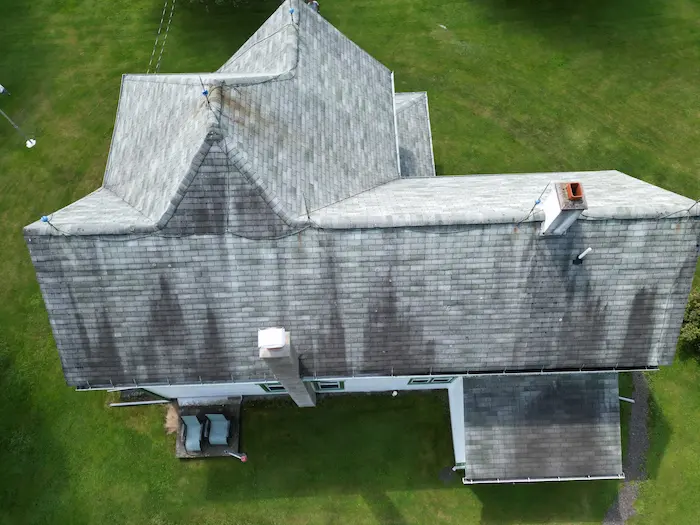
Black Streaks on Roof Shingles: What Causes Them?
Learn what causes black streaks on asphalt shingles, how they should be cleaned safely, and how algae-resistant shingles can help.
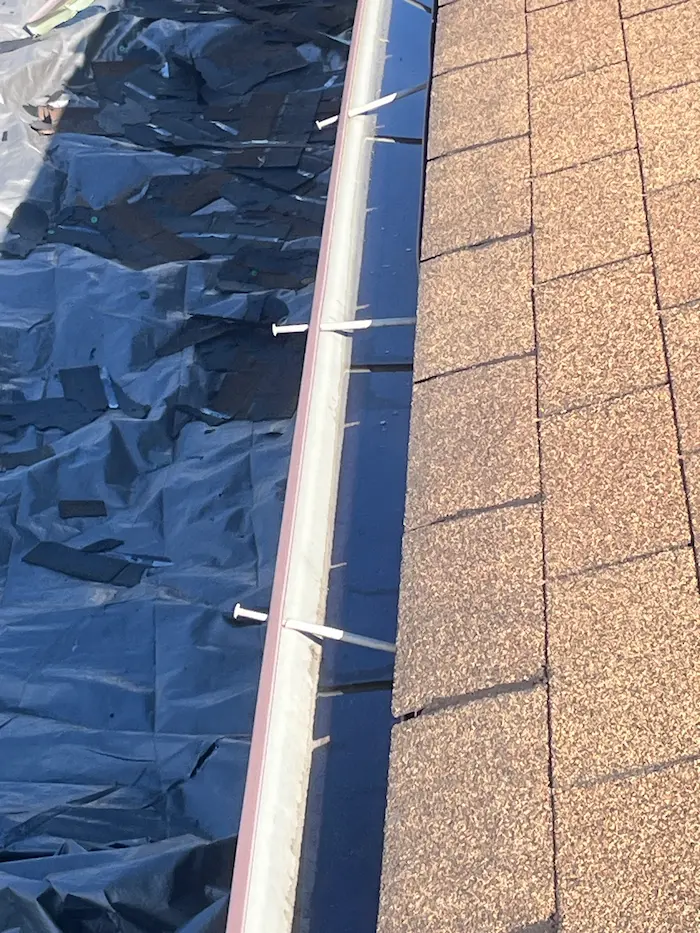
How Clogged Gutters Can Cause Hidden Water Damage
See how poor gutter drainage can affect fascia, soffits, siding, landscaping, and the area around your home's foundation.
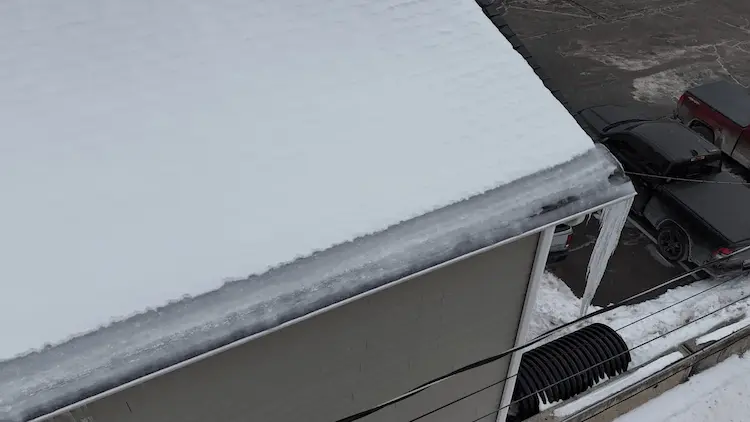
How to Prevent Ice Dams on Your Roof in Northeast Pennsylvania
Learn why ice dams form, how insulation and ventilation affect them, and what homeowners should do when ice builds along the roof edge.
Ready to Talk About Your Roof?
Contact Zenobi Roofing Inc. for roof replacement, roof repair, storm damage inspections, and gutter services throughout Archbald, Scranton, Clarks Summit, the Mid Valley, and surrounding NEPA communities.