
What Is a Roof Tune-Up? What to Check Before Winter
Roof Maintenance
What Is a Roof Tune-Up? What to Check Before Winter
A roof tune-up is generally a preventive inspection and maintenance visit intended to find smaller roofing problems before they become larger ones. For homeowners in Northeast Pennsylvania, fall is a useful time to look at the condition of an older roof before snow, ice, wind, and repeated freeze-and-thaw cycles arrive.
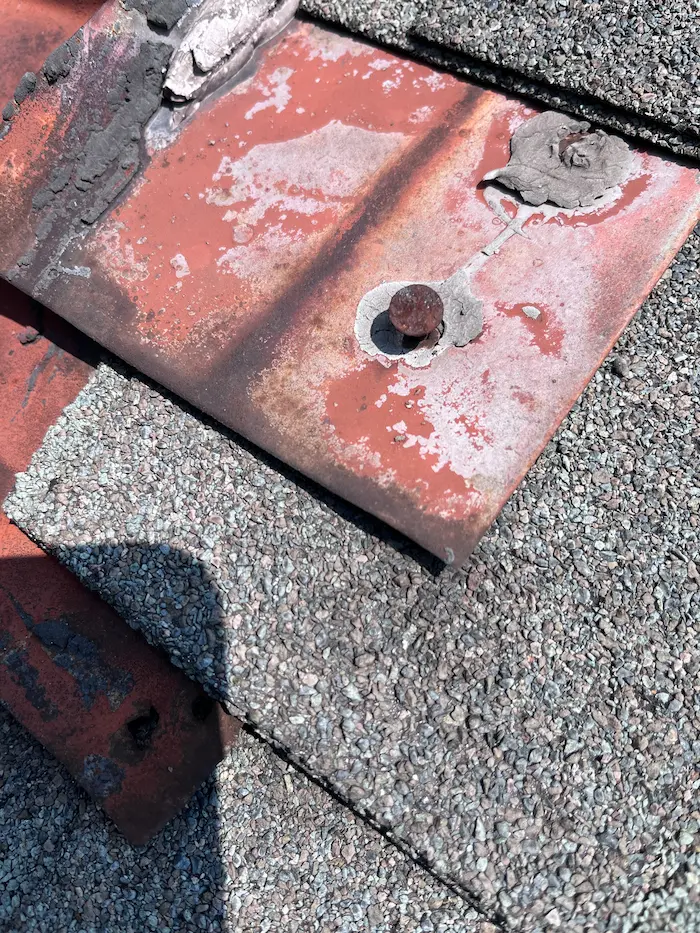
A roof tune-up should focus on finding and addressing smaller roofing concerns before they lead to leaks or additional damage. The exact service can vary by contractor, but shingles, flashing, roof penetrations, gutters, roof edges, and visible signs of moisture are all important areas to check.
In This Article
Roof Maintenance
What Is a Roof Tune-Up?
The term "roof tune-up" does not describe one universal roofing service. Different contractors may use the term for slightly different types of inspection and maintenance work.
In general, the purpose should be simple: look over the roof, identify smaller problems, and determine whether anything should be repaired before it develops into a larger issue.
That might mean replacing an isolated damaged shingle, addressing a worn pipe boot, correcting a small flashing issue, securing an appropriate loose component, or identifying a drainage problem.
A useful roof tune-up is not about covering everything with sealant. It is about finding the actual weak points of the roofing system and deciding what, if anything, needs attention.
Sometimes the inspection finds very little. That is still useful information, especially when the roof is aging but continues to perform properly.
Fall Inspection
Why Check a Roof Before Winter?
Fall provides an opportunity to identify visible problems before the roof is covered by snow or exposed to extended freezing temperatures.
Winter weather can place different demands on a roof than a summer rainstorm. Snow may remain on the roof for days, melt during warmer periods, and freeze again when temperatures fall.
Wind can also expose shingles or flashing that were already loose or damaged.
The National Roofing Contractors Association recommends routine roof inspections in the spring and fall and after severe weather. Regular inspection can help identify visible problems before leaking or more serious damage makes them obvious.
Winter preparation becomes especially useful on an older roof where a homeowner already knows there have been previous repairs or areas worth watching.
If ice buildup is a recurring concern, our guide to preventing ice dams on roofs in Northeast Pennsylvania explains why insulation, air sealing, ventilation, and roof conditions all matter during winter.
Inspection Areas
What Should Be Checked During a Roof Tune-Up?
An asphalt shingle roof contains more than the shingles visible from the ground. A useful inspection looks at the places where water, wind, and normal aging are most likely to expose a weakness.
Roof Surface
Start With the Condition of the Shingles
Shingles form the primary weather-shedding surface on an asphalt shingle roof. Their condition can provide useful information about the roof as a whole.
An inspection should look for obvious physical damage rather than judging the roof only by its age.
A missing or displaced shingle can expose the roofing layers below. Cracked or damaged shingles may also create vulnerable areas, particularly when combined with wind or prolonged winter moisture.
Appearance Does Not Always Mean Damage
Not every change in the appearance of a roof means the shingles have failed. Dark streaking, for example, may be algae discoloration rather than a structural roofing problem.
Our guide to black streaks on asphalt roof shingles explains why roof staining should be identified before anyone attempts to clean or repair it.
Roof age is useful information, but actual condition matters more than the number of years alone.
Leak-Prone Details
Flashing and Roof Penetrations Deserve a Closer Look
Many roof leaks develop around transitions rather than in the middle of an open field of shingles.
Chimneys, walls, valleys, plumbing vents, skylights, and other penetrations interrupt the otherwise continuous roof surface. These areas rely on properly installed flashing to direct water back onto the roof.
Movement, deterioration, previous repairs, or poorly installed details can create a path for water.
Pipe Boots Can Age Differently Than the Shingles
The flashing around plumbing vents should be checked even when the surrounding shingles still look good.
Depending on the type of flashing used, rubber or other exposed components can deteriorate from weather and age.
Caulk Is Not the Same as Proper Flashing
Roofing sealants have legitimate uses in certain details, but adding a bead of caulk over a poorly installed or deteriorated flashing assembly does not turn it into a properly flashed roof.
If the underlying flashing detail is wrong, the appropriate repair is to correct the detail rather than continually cover the area with additional sealant.
Our upcoming guide to roof flashing around chimneys and skylights will explain these details in more depth.
Drainage
Check the Gutters and the Lower Roof Edge
The roofing system has to shed water, but that water still needs somewhere to go once it reaches the eaves.
Leaves and debris can block gutters or downspouts and cause water to spill over in areas where it would normally be carried away from the house.
Fall is an especially useful time to pay attention to gutter drainage because nearby trees can quickly fill a system after leaves begin dropping.
The roof edge should also be checked for signs of staining, deterioration, loose gutters, damaged fascia, or other conditions that may indicate water has not been draining normally.
Our guide to clogged gutters and hidden water damage explains how poor drainage can affect the fascia, soffits, siding, landscaping, and area around the foundation.
Inside the House
Some Roof Problems Leave Clues Inside the Home
Not every roofing concern can be identified from the exterior.
If an accessible attic is available, signs of past or active moisture may help identify areas that deserve closer evaluation.
Water staining on wood, damp insulation, discoloration, or visible moisture can all provide clues. The location of an interior stain does not always identify the exact point where water entered the roof because water can travel along decking, rafters, or other building materials.
Inside the living space, ceiling stains, peeling paint, or other unexplained moisture can also be reasons to have the roof checked.
The visible stain is where the water became noticeable. It is not necessarily where the water first entered the roofing system.
If water is actively entering the home, our guide to what to do during an emergency roof leak explains the immediate steps homeowners can take.
Safety
What Can a Homeowner Check Safely?
A useful roof inspection does not require a homeowner to walk across the roof.
Many obvious conditions can be observed from the ground, especially with binoculars or a camera with a good zoom.
Snow, frost, wet shingles, steep slopes, and ordinary roof height all add risk. If an inspection requires walking the roof or making a repair, a roofing professional is the better option.
Small Repairs
When Does a Roof Tune-Up Make Sense?
Preventive maintenance makes the most sense when the roof remains fundamentally sound and the problem is limited to a specific area.
An isolated damaged shingle, a small flashing concern, a worn roof penetration, or a drainage problem does not automatically mean the entire roof needs replacement.
NRCA notes that a leak does not necessarily require complete roof replacement. Localized flashing or roof damage may sometimes be repairable.
The condition of the surrounding roofing is what helps determine whether a repair is worthwhile.
For more information about isolated roofing problems, visit our roof repair page .
Older Roofs
When a Roof Needs More Than a Tune-Up
Maintenance cannot restore a roof that has reached the point of widespread failure.
If the roof has extensive shingle deterioration, repeated leaks in different areas, widespread flashing problems, or significant hidden wood damage, continuing to make small repairs may stop being the practical choice.
There is no exact roof age when that happens. Installation quality, weather exposure, ventilation, roof design, materials, and maintenance all affect how a roof ages.
The goal should not be to keep repairing a roof forever. The goal is to determine whether the roof is still worth maintaining.
When a full tear-off becomes necessary, removing the existing roofing allows the roof deck to be inspected rather than covering over conditions that may be hidden below.
Our upcoming guide to rotted roof decking and damaged roof sheathing explains why hidden wood conditions matter during a roof replacement.
You can also learn more about the complete replacement process on our roof replacement page .
Before the Snow
A Fall Roof Check Is About Knowing What You Have
Not every roof needs repair before winter.
Sometimes the most useful result of an inspection is simply confirming that the shingles, flashing, roof penetrations, drainage, and visible roof edges are in reasonable condition before the season changes.
When something does need attention, finding it during mild weather can also provide more options than discovering the same issue after snow and ice have covered the roof.
That is the real value of preventive roof maintenance: knowing what condition the roof is in before the next stretch of difficult weather arrives.
FAQs
Questions About Roof Tune-Ups and Winter Preparation
What is included in a roof tune-up?
There is no universal roof tune-up package. A useful visit generally includes inspecting shingles, flashing, roof penetrations, gutters, roof edges, and previous repair areas and then addressing or recommending repairs for smaller problems that are found.
Is fall a good time to have a roof inspected?
Yes. Fall provides an opportunity to identify visible roof problems before snow, ice, and extended freezing temperatures arrive. The National Roofing Contractors Association recommends routine inspections in both spring and fall.
Does a roof tune-up stop all future leaks?
No. An inspection and maintenance visit can identify visible problems, but no maintenance service can guarantee that a roof will never develop a future leak. Hidden conditions and later storm damage can still occur.
Can I inspect my own roof before winter?
Many obvious conditions can be observed safely from the ground. Missing shingles, gutter overflow, exterior staining, sagging gutters, and some roof damage may be visible without walking on the roof. Repairs and inspections requiring roof access are better left to a professional.
Can roof caulk fix bad flashing?
Roofing sealants have appropriate uses, but adding caulk over a poorly installed or deteriorated flashing detail is not the same as properly repairing the flashing. The correct repair depends on the actual construction of the area.
Does an older roof automatically need replacement?
No. Roof age is only one factor. Shingle condition, flashing, leaks, decking, ventilation, installation quality, and previous repairs all help determine whether continued maintenance or replacement makes more sense.
Can a small roof leak be repaired without replacing the whole roof?
Sometimes. An isolated leak caused by a specific damaged area or flashing problem may be repairable when the surrounding roof remains in good condition. Widespread deterioration or repeated leaks can change that decision.
Recent Articles
Roofing Advice & Guides
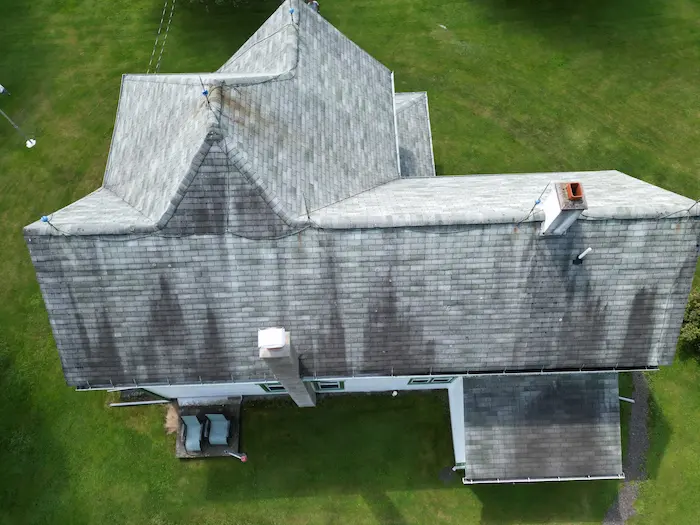
Black Streaks on Roof Shingles: What Causes Them?
Learn what causes black streaks on asphalt shingles, how they should be cleaned safely, and how algae-resistant shingles can help.
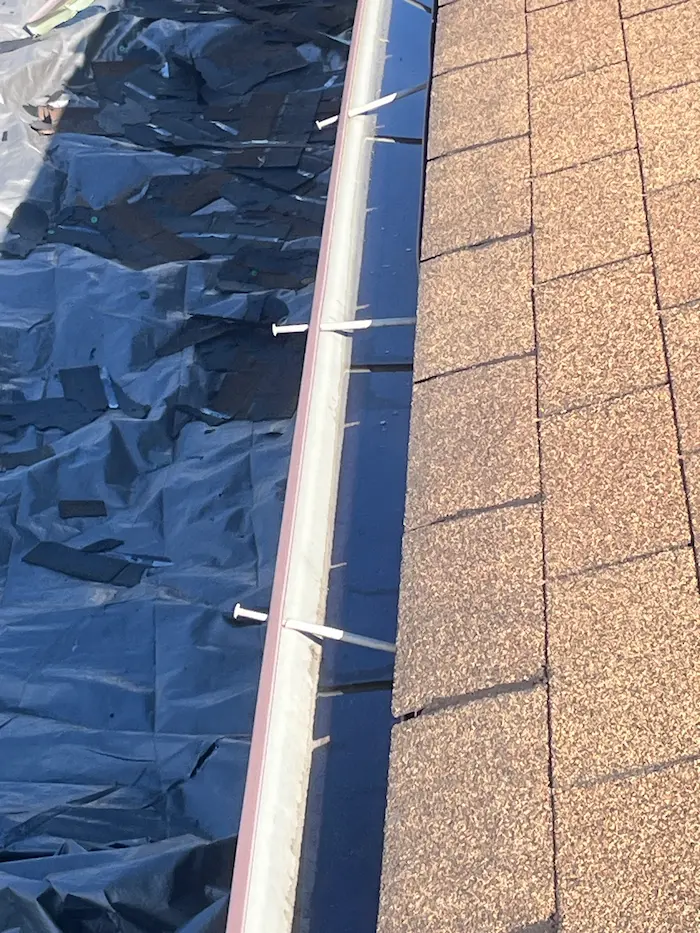
How Clogged Gutters Can Cause Hidden Water Damage
See how poor gutter drainage can affect fascia, soffits, siding, landscaping, and the area around your home's foundation.
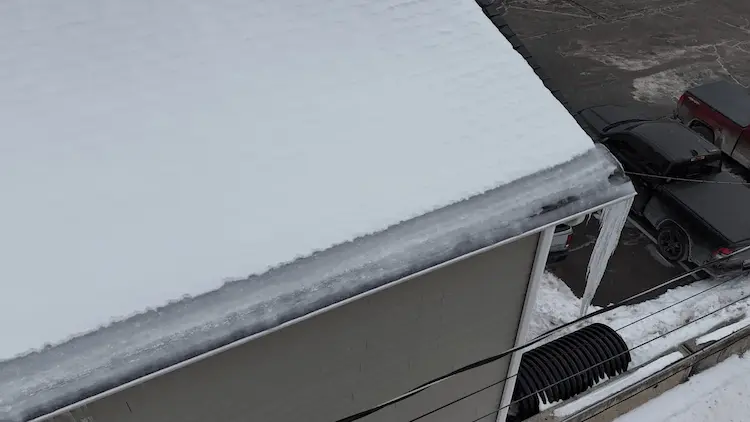
How to Prevent Ice Dams on Your Roof in Northeast Pennsylvania
Learn why ice dams form, how insulation and ventilation affect them, and what homeowners should do when ice builds along the roof edge.
Ready to Talk About Your Roof?
Contact Zenobi Roofing Inc. for roof replacement, roof repair, storm damage inspections, and gutter services throughout Archbald, Scranton, Clarks Summit, the Mid Valley, and surrounding NEPA communities.