
Storm Damage
Storm Damage Roof Inspection: What Homeowners Should Know
After strong wind, hail, heavy rain, or falling branches, roof damage is not always easy to identify from the ground.
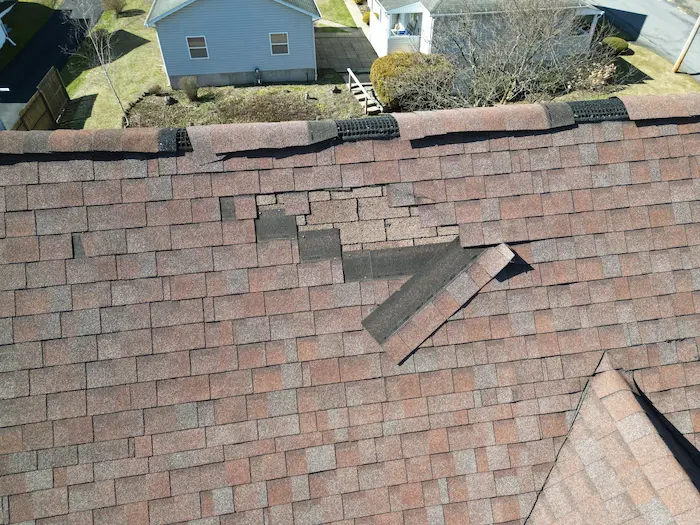
Some problems are obvious, such as missing shingles, fallen debris, or an active leak. Others can be harder to see, including creased shingles, loose flashing, damaged ridge caps, broken shingle seals, and small openings that may allow water into the roof system later.
This guide explains what a storm damage roof inspection includes, which warning signs homeowners should watch for, and why clear documentation matters before repair work begins.
The Quick Answer
What Does a Storm Damage Roof Inspection Check?
A storm damage roof inspection checks shingles, ridge caps, flashing, roof penetrations, valleys, edges, gutters, and visible interior areas for signs of wind, hail, water, or impact damage. The inspection should explain what was found, document affected areas, and help determine whether repair or replacement is appropriate.
- Storm damage may not cause an immediate leak. A lifted or loosened shingle can allow water into the roof during a later storm.
- Wind damage can remain difficult to see. Shingles sometimes settle back into place even after their seal has been weakened or broken.
- Inspection findings should be documented clearly. Photos and written notes help homeowners understand the roof’s condition and recommended work.
What Is a Storm Damage Roof Inspection?
A storm damage roof inspection is an evaluation performed after strong wind, hail, heavy rain, falling branches, or another weather event that may have affected the roofing system.
The purpose is to identify conditions that could interfere with the roof’s ability to shed water and protect the home. The inspection may include the roof surface, flashing details, penetrations, drainage areas, visible attic spaces, and interior areas where moisture has appeared.
Areas Commonly Reviewed
- Missing, lifted, or creased shingles
- Ridge caps and roof edges
- Chimney and wall flashing
- Pipe boots and roof penetrations
- Valleys and drainage areas
- Hail or debris impact marks
- Interior ceiling or attic stains
- Areas where water may enter the roof system
A proper inspection should leave the homeowner with a clearer understanding of the roof’s condition, the location of any damage, and the work that may be needed.
Signs of Roof Storm Damage
The appearance of storm damage depends on the type of weather, the age of the roof, the shingle condition before the storm, and how exposed the home was to wind or falling debris.
Missing shingles and large branches are easy to notice. Creased shingles, loosened seals, damaged flashing, and impact marks can be much less obvious.
Common Warning Signs
- Missing shingles
- Lifted or creased shingles
- Torn or folded shingle tabs
- Damaged ridge cap shingles
- Loose or bent flashing
- Granules in gutters or downspouts
- Water stains on ceilings or walls
- Leaks following heavy rain
- Hail marks on shingles or soft metals
- Damage to vents or pipe boots
- Branches or debris on the roof
- Damage near valleys and roof edges
No Leak Does Not Always Mean No Damage
A roof can have storm-related damage without leaking immediately. Small openings or weakened shingle seals may not allow water inside until a later rainstorm.
Why Wind Damage Can Be Hard to See
Wind damage is often difficult to identify from the ground. A shingle may still appear to be in place even though it was lifted, creased, loosened, or separated from its seal strip.
Once the seal is weakened, future wind and rain can move the shingle again or push water underneath it. This may lead to leaks around nail locations, seams, flashing, valleys, or roof edges.
Why Wind Damage Gets Missed
- Lifted shingles may settle back down
- Creases may only show from certain angles
- Broken seals may not be visible
- Damage may be high on the roof
- Ridge caps may be affected before lower shingles
- Interior leaks may take time to appear
For these reasons, a roof inspection can be worthwhile after unusually strong wind even when no shingles appear to be missing.
Why Storm Damage Documentation Matters
Clear documentation shows what was found during the inspection and where the affected areas are located. It can also help distinguish recent damage from normal aging, older repairs, or long-term deterioration.
Documentation may be useful when discussing repair options or providing roof information to an insurance company. Insurance coverage and claim decisions are made by the homeowner’s insurer.
Inspection Documentation May Include
- Photos of missing or damaged shingles
- Photos of creases, lifting, or impact marks
- Photos of ridge caps and flashing
- Photos of vents and pipe boots
- Interior water-stain photos
- Notes identifying damaged roof areas
- A written repair recommendation
- An estimate based on the proposed work
The goal is to give homeowners understandable information rather than leaving them to guess what happened or what should be done next.
Repair or Replacement After Storm Damage?
Storm damage does not automatically mean the entire roof must be replaced. The correct approach depends on the amount of damage, the roof’s age, the condition of surrounding shingles, and whether a lasting repair can be completed.
Repair May Make Sense When
- The damage is limited to one roof area
- Only a small number of shingles are affected
- Flashing or vent damage is isolated
- The remaining roof is in good condition
- The roof decking is solid
- The repair is expected to provide a lasting result
Replacement May Make More Sense When
- Damage is spread across several roof slopes
- The shingles are brittle or heavily worn
- The roof is near the end of its useful life
- There are repeated leaks or previous repairs
- Decking damage is extensive
- A repair would likely be temporary
The inspection should explain the difference clearly so the homeowner can understand why a repair or replacement is being recommended.
What Should Homeowners Do After a Storm?
After severe weather, homeowners can safely check for obvious damage from the ground and inspect ceilings or accessible attic areas for moisture. Climbing onto a wet or damaged roof is not recommended.
- Look for missing shingles, branches, or debris from the ground.
- Check ceilings, walls, and accessible attic areas for water stains.
- Look for shingle granules near gutters and downspouts.
- Photograph visible damage without climbing onto the roof.
- Write down the approximate date and time of the storm.
- Arrange an inspection if damage or water entry is suspected.
- Address active leaks promptly to limit additional damage.
Finding damage early can make it easier to determine the necessary work before a small opening develops into a larger leak or decking problem.
Storm Damage Roof Inspection Checklist
An inspection after strong wind, hail, heavy rain, or falling debris may review the following areas:
- Missing shingles
- Lifted or creased shingles
- Damaged ridge caps
- Loose or damaged flashing
- Pipe boots and roof vents
- Chimney and wall transitions
- Valleys and roof edges
- Granule loss near gutters
- Hail or impact marks
- Branch and debris damage
- Ceiling or attic stains
- Active or suspected leak areas
Storm Damage Roof Inspection FAQs
When should I have my roof inspected after a storm?
Consider an inspection after strong wind, hail, heavy rain, falling branches, or whenever you notice missing shingles, leaks, ceiling stains, damaged flashing, or debris on the roof.
Can storm damage be difficult to see?
Yes. Lifted shingles, broken seal strips, creases, loose flashing, and damaged ridge caps may be difficult to identify from the ground. Some problems do not cause a visible leak immediately.
Does storm damage always require a new roof?
No. Isolated damage may be repairable when the remaining roof is in good condition. Replacement may be more appropriate when damage is widespread, shingles are badly worn, or repairs are unlikely to provide a lasting result.
Why are photos important during an inspection?
Photos show where damage was found and help homeowners understand the condition of the roof. They may also provide useful supporting information when discussing the damage with an insurance company.
Should I climb onto my roof after a storm?
No. Wet, loose, or damaged roofing materials can be unsafe. Check from the ground, look inside for water stains, and arrange a professional inspection if damage is suspected.
Can a roof be damaged even if it is not leaking?
Yes. A shingle may be lifted, creased, or no longer sealed correctly without causing an immediate leak. Water may enter during a later storm if the affected area is not addressed.
Concerned About Storm Damage?
If your home has missing shingles, fallen debris, water stains, damaged flashing, or possible wind or hail damage, Zenobi Roofing Inc. can inspect the roof, document visible conditions, and explain the recommended work clearly.
We provide roof inspections, roof repair, and full tear-off roof replacement throughout Lackawanna County and surrounding Northeastern Pennsylvania communities.
Request a Roof Inspection