
Roof Replacement
How Does Lackawanna County Weather Affect Asphalt Shingle Roof Lifespan?
Asphalt shingle roof lifespan in Lackawanna County depends on more than the age of the shingles. Snow, ice, freeze-thaw cycles, wind-driven rain, summer heat, humidity, and shaded roof areas can all shorten how long a shingle roof lasts.
The roof does not usually wear out from one storm or one cold night. Instead, weather slowly breaks down the roof system. Shingles lose flexibility, granules loosen, flashing gets stressed, and small leak paths can become larger problems.
This guide explains how local weather affects asphalt shingles, what warning signs homeowners should watch for, and why installation details such as ventilation, underlayment, flashing, and full tear-off replacement matter.
For a general baseline, Owens Corning explains that asphalt shingle roofs often last around 20 to 30 years, depending on the shingle type and roof system. The company also notes that insulation, ventilation, and waterproof underlayment can help extend roof life. Read Owens Corning roof lifespan guidance.
Attic ventilation also matters because heat and moisture can affect roof performance. GAF’s ventilation calculator explains balanced attic ventilation using attic floor area, intake ventilation, exhaust ventilation, and the common 1/300 guideline. View the GAF attic ventilation calculator.
The Quick Answer
Why Does Local Weather Shorten Shingle Roof Life?
Asphalt shingle roof lifespan can shorten when a roof goes through repeated cycles of heat, cold, moisture, wind, snow, ice, and sun exposure. Over time, those cycles can loosen granules, dry out shingles, stress flashing, expose weak roof details, and allow small leaks to grow.
- Winter creates moisture pressure. Snow, ice, frozen gutters, and thawing roof areas can make small roof weaknesses worse.
- Summer creates heat stress. Hot roof surfaces and poor attic ventilation can speed up shingle aging.
- Storms expose weak details. Wind-driven rain can find lifted shingles, loose flashing, cracked pipe boots, valleys, and older repairs.
Weather Factors That Shorten Asphalt Shingle Roof Lifespan
Asphalt shingles age gradually. First, the roof gets exposed to years of sun, rain, snow, and temperature changes. Then the shingles can lose granules, become brittle, lift at the edges, or stop sealing as well as they once did.
- Freeze-thaw cycles: Water can enter small openings, freeze, expand, thaw, and repeat.
- Snow and ice: Winter buildup can hide lifted shingles, loose flashing, and clogged drainage.
- Summer heat: Hot roof surfaces can dry shingles and speed up aging.
- Wind-driven rain: Wind can push water into weak areas that may not leak during calm rain.
- Humidity and shade: Damp shaded areas can stay wet longer and collect algae, moss, or debris.
- Storm damage: Hail, falling limbs, high winds, and heavy rain can damage shingles, vents, gutters, and ridge caps.
How Each Season Affects Asphalt Shingle Roof Lifespan
A roof in Northeastern Pennsylvania goes through very different stress throughout the year. Winter brings snow and ice. Spring brings rain and wind. Summer adds heat and humidity. Fall often adds leaves, clogged gutters, and shaded roof areas that dry slowly.
Winter can worsen lifted shingles, weak flashing, clogged gutters, roof-edge problems, and small leak paths.
Spring weather can expose leaks that started during winter around flashing, valleys, pipe boots, or penetrations.
Summer can dry shingles, age seal strips, increase attic heat, and stress poorly ventilated roof systems.
Fall debris can clog gutters, trap moisture, shade shingles, and slow drainage before winter arrives.
Freeze-Thaw Cycles Can Make Small Roof Problems Worse
Freeze-thaw damage starts with water. If water gets into a small opening around a lifted shingle, cracked sealant, exposed nail, loose flashing, or damaged roof edge, freezing weather can make the problem worse.
When water freezes, it expands. When it thaws, it moves again. As a result, repeated freezing and thawing can slowly open small gaps, especially on older roofs with brittle shingles, worn flashing, or previous patchwork repairs.
Why this matters locally
Many winter roof problems do not show up immediately. A small weakness may sit hidden under snow, then appear later as a ceiling stain, attic moisture, loose shingle, or leak around a chimney, wall, valley, or pipe boot.
Ice Dams, Snow, and Roof Edges
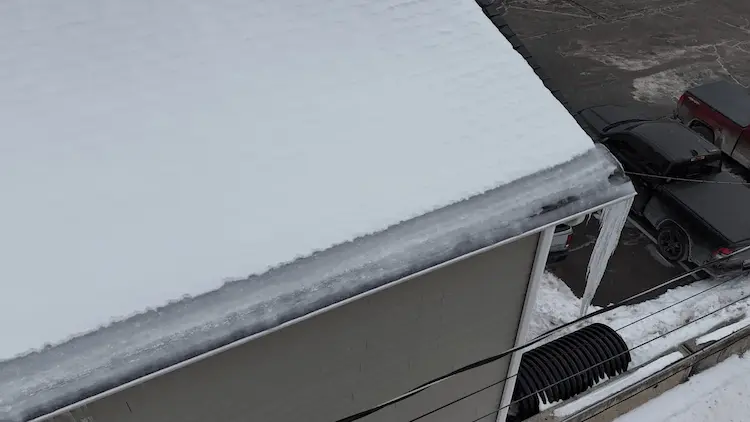
Ice dams can form when snow melts on a warmer part of the roof and refreezes near a colder roof edge. Once ice builds up along the eave, water can back up behind it.
Ice and water protection, attic insulation, air sealing, ventilation, gutter condition, and roof design all affect how a roof handles winter. Even a good shingle roof can struggle if warm air from the home escapes into the attic and keeps the roof deck too warm.
Winter Roof Wear Is Often a System Problem
A roof may have good shingles but still struggle in winter if the attic has poor airflow, the gutters are clogged, the roof edges lack proper protection, or the flashing details are old.
For that reason, a long-lasting roof should be installed as a complete system, not just a new layer of shingles.
Summer Heat and UV Exposure Also Age Asphalt Shingles
Winter gets most of the attention, but summer heat can also shorten roof life. Dark shingle surfaces can become much hotter than the outside air, and a hot attic can keep the roof system warmer for longer periods.
Over time, heat and UV exposure can dry out asphalt shingles, reduce flexibility, and contribute to granule loss. Poor attic ventilation can add more heat stress under the roof deck.
Proper ventilation does not make shingles last forever. However, it can help the roof system manage heat and moisture more effectively.
Wind-Driven Rain and Sudden Storms
Wind changes how rain hits a roof. A roof may not leak during a calm rain, but wind-driven rain can push water into roof details that are already weak.
Lifted shingles, missing shingles, loose ridge caps, chimney flashing, wall flashing, pipe boots, valleys, and old repairs are common areas to inspect after a strong storm.
A roof in Jessup with more open exposure may deal with different wind pressure than a protected roof surrounded by taller homes or trees. Because of that, the same storm can affect two nearby roofs differently.
Humidity, Shade, Leaves, and Algae Staining
Shaded roof sections often stay wet longer after rain, snow melt, or morning dew. When leaves and debris sit on the roof, they can trap even more moisture.
Over time, damp roof areas may show algae staining, moss growth, debris buildup, and faster granule wear. North-facing slopes, roof areas under trees, and sections with poor sunlight often show this type of wear first.
- Clean gutters: Gutters should move water away from the roof edge.
- Trim branches: Heavy tree coverage can drop debris and keep shingles damp.
- Watch shaded slopes: Shaded roof sections often show staining and wear earlier.
Why Attic Ventilation Affects Asphalt Shingle Roof Lifespan
Attic ventilation helps move air through the attic space. Intake vents bring air in near the lower roof area, and exhaust vents release warm, humid air near the top of the roof.
When ventilation is poor, heat and moisture can build up under the roof deck. In summer, that can make the roof system run hotter. In winter, warm attic air can contribute to uneven snow melt and ice dam problems.
A roof inspection should check more than the outside shingles. The attic, intake ventilation, ridge vent, roof deck, insulation, and signs of moisture all help explain why a roof is aging the way it is.
Signs Weather May Be Wearing Down Your Asphalt Shingles
Weather-related roof wear is not always obvious from the ground. However, there are several warning signs homeowners can watch for.
Roof Wear Warning Signs
These signs may mean weather has started to affect the roof system.
- Missing shingles after wind or storms
- Lifted, creased, curled, or brittle shingles
- Granules collecting in gutters or at downspouts
- Dark streaks, moss, or algae on shaded roof sections
- Ceiling stains after snow melt or heavy rain
- Soft or moisture-damaged decking found during tear-off
- Loose ridge caps or damaged roof vents
- Cracked pipe boots or old roof penetrations
- Leaks near chimneys, valleys, skylights, or walls
- Repeated patchwork repairs in the same roof area
- Ice buildup near roof edges during winter
- A roof that looks older than its actual age
How to Help Your Asphalt Shingle Roof Lifespan Last Longer
Homeowners cannot control the weather, but they can reduce some of the conditions that make weather damage worse. Regular maintenance, good drainage, proper ventilation, and early repairs can help extend the useful life of an asphalt shingle roof.
- Keep gutters clear: Clogged gutters can hold water and ice near roof edges.
- Check after storms: Missing shingles, damaged vents, or fallen branches should be inspected early.
- Review ventilation: Intake and exhaust ventilation should work together so heat and moisture do not stay trapped.
- Trim heavy tree coverage: Overhanging branches can drop debris, shade the roof, and keep shingles damp longer.
- Fix small leaks early: Small leaks around flashing, pipe boots, or valleys can lead to decking damage.
- Choose a full roof system: Underlayment, ice and water protection, flashing, starter, ridge cap, ventilation, and cleanup all matter.
Why full tear-off matters
A full tear-off allows the old roofing materials to be removed so the roof deck can be checked. This matters because moisture damage, soft decking, old flashing problems, and hidden leak areas are often not fully visible until the old roof is removed.
Asphalt Shingle Roof Lifespan FAQs
How long do asphalt shingles last in Lackawanna County?
Many asphalt shingle roofs are expected to last around 20 to 30 years, but the actual lifespan depends on installation quality, shingle type, ventilation, roof design, maintenance, tree coverage, storm exposure, and local weather conditions.
Does winter weather shorten roof life?
Winter weather can shorten roof life when snow, ice, freezing, thawing, clogged gutters, poor ventilation, or weak flashing allow water to sit on the roof or enter small openings.
Can summer heat damage asphalt shingles?
Yes. Summer heat and UV exposure can dry shingles, age the asphalt, and contribute to granule loss over time. Poor attic ventilation can add more heat stress to the roof system.
Why do some roofs age faster than others?
Roofs age at different speeds because of roof pitch, sunlight exposure, shade, attic ventilation, installation quality, material quality, flashing details, storm exposure, and maintenance history.
Do algae and moss shorten shingle life?
Algae mainly affects appearance, but moss and heavy debris can hold moisture against the roof surface. Over time, trapped moisture can contribute to granule loss and faster wear, especially on shaded roof areas.
Should I repair or replace a weather-worn roof?
It depends on the roof age, leak history, shingle condition, decking condition, number of problem areas, and whether the damage is isolated or widespread. A small issue may be repairable, while widespread wear or repeated leaks may point toward replacement.
Concerned About Weather Damage or Roof Age?
If your roof has missing shingles, winter leak problems, storm damage, ice dam concerns, or signs of aging, Zenobi Roofing Inc. can inspect the roof and explain the recommended roofing work clearly.