ROOF REPLACEMENT
When Should You Replace Your Roof in Lackawanna County, PA?
Knowing when you should replace your roof is not always as simple as counting the years. Roof age matters, but so do the condition of the shingles, previous repairs, attic ventilation, flashing, storm exposure, and the condition of the roof deck underneath.
When Should You Consider Replacing Your Roof?
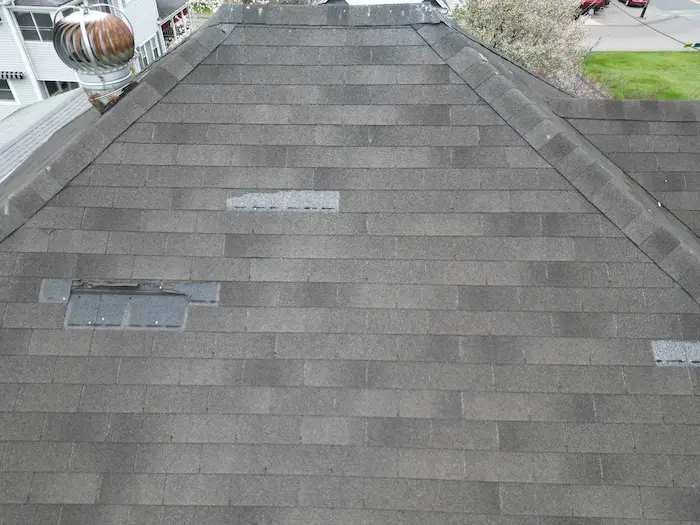
Roof replacement should be considered when deterioration is affecting the roofing system as a whole rather than one isolated area. A few damaged shingles, a loose piece of flashing, or a small leak may be repairable. Widespread aging, repeated leaks, deteriorated shingles, and multiple problem areas usually point toward a larger issue.
The decision normally comes down to four questions:
- How old is the existing roof?
- Is the damage isolated or spread across several sections?
- Are repairs becoming more frequent?
- Is the roof deck and underlying structure still in good condition?
No single warning sign automatically means a roof must be replaced. The overall condition of the shingles, flashing, ventilation, underlayment, and decking should be considered together before making that decision.
How Long Does an Asphalt Shingle Roof Last in Lackawanna County?
Many architectural asphalt shingle roofs are designed to provide decades of service, but the actual lifespan depends heavily on how the roof was installed and the conditions it experiences.
In Northeast Pennsylvania, roofs regularly deal with freezing and thawing, snow, ice, wind, heavy rain, summer heat, and prolonged moisture. These conditions can expose weaknesses in ventilation, flashing, underlayment, and installation long before the shingles reach their theoretical maximum lifespan.
Factors that commonly shorten the life of an asphalt shingle roof include:
- Poor attic ventilation
- Improper nail placement
- Missing or inadequate ice and water protection
- Reused or improperly installed flashing
- Multiple layers of shingles
- Wind or storm damage
- Persistent shade and moisture
- Deteriorated roof decking
A properly installed roof may remain serviceable well beyond the age when another roof begins to fail. That is why a roof inspection should focus on present condition rather than age alone.
7 Signs It May Be Time to Replace Your Roof
The following warning signs do not all carry the same level of urgency. However, the more of them that appear together, the more likely it is that continued repair will only postpone an eventual roof replacement.
1. The Roof Is Approaching the End of Its Service Life
Roof age is one of the first things to consider. An older roof does not automatically need to be replaced, but age makes other warning signs more meaningful.
A small leak on a relatively young roof may come from a repairable flashing issue. The same leak on an older roof with brittle shingles, worn granules, and previous repairs may be evidence that the system is reaching the end of its useful life.
2. Shingles Are Curling, Cracking, or Lifting
Shingles should lie relatively flat against the roof. Curling edges, lifted tabs, surface cracking, and distorted shingles can indicate aging, heat exposure, ventilation problems, or installation issues.
A few damaged shingles may be replaceable. When the same condition appears across several slopes, individual repairs may no longer address the underlying problem. Lifted and curled shingles are also more vulnerable to wind-driven rain and future storm damage.
3. Granule Loss Is Becoming Widespread
Asphalt shingles are covered with protective granules that help shield the asphalt from sunlight and weather. Some loose granules are normal, especially when a roof is newer or following severe weather.
Concern increases when large bare areas become visible, the shingle surface looks smooth or dark, or significant amounts of granules repeatedly collect in the gutters and near downspout exits.
Once the protective surface has worn away across large sections, the exposed shingles can deteriorate more quickly.
4. Roof Leaks Keep Returning
One roof leak does not necessarily mean the entire roof needs replacement. Chimney flashing, pipe boots, skylights, valleys, and wall intersections are all common sources of isolated leaks.
Repeated leaks in different areas are more concerning. They can indicate that the roof is no longer failing at one detail but is deteriorating throughout the system.
Water stains should also be investigated even when they appear dry. A leak may only become active during wind-driven rain, melting snow, or certain weather conditions.
5. The Roof Deck Feels Soft or Appears Uneven
The roof deck provides the solid surface beneath the shingles. If moisture has repeatedly reached the decking, sections may become soft, deteriorated, or structurally weakened.
Warning signs can include visible dips in the roofline, uneven areas between rafters, soft decking discovered during an inspection, or deteriorated wood seen from the attic.
Damaged decking cannot be corrected by installing new shingles over it. The affected wood must be identified and replaced as part of the roof replacement.
6. Repairs Are Becoming More Frequent
Roof repair is often the practical choice when the roof is otherwise in good condition and the problem is limited to one area. The calculation begins to change when a homeowner is paying for a new repair every year or addressing leaks in several unrelated sections.
Repeated repairs can become expensive without restoring the roof as a complete system. At that point, replacement may provide better long-term value than continuing to repair one failure at a time.
7. Moss or Organic Growth Is Affecting the Shingles
Dark staining alone does not always mean a roof needs replacement. Widespread moss and plant growth are more serious because they retain moisture and can begin lifting the edges of the shingles.
This is most common on shaded or north-facing roof sections that remain damp longer after rain or snow. The shingles should be evaluated before attempting aggressive cleaning because pressure washing and harsh cleaning methods can damage an aging roof further.
Should You Repair the Roof or Replace It?
A roof repair makes the most sense when the problem is clearly identified, limited in size, and surrounded by roofing materials that still have meaningful service life remaining.
Replacement becomes more reasonable when the roof has several unrelated failures, widespread shingle deterioration, deteriorated decking, or a history of recurring repairs.
A Repair May Be Appropriate When:
- The damage is limited to one small area
- The surrounding shingles remain flexible and secure
- The leak comes from an identifiable flashing or penetration issue
- The roof has not required repeated repairs
- The roof deck remains solid
Replacement May Be More Appropriate When:
- Damage appears on several roof sections
- Shingles are brittle, curling, or heavily worn
- Leaks continue appearing in new locations
- The roof contains multiple layers
- Decking or structural damage is present
A roofing contractor should be willing to explain both options when repair remains realistic. The recommendation should be based on the condition of the roof rather than automatically recommending the largest project.
Does Storm Damage Mean the Entire Roof Needs Replacement?
Not always. Wind can loosen or remove a small number of shingles without damaging the rest of the roof. In other cases, a storm may expose broader weaknesses in an older roofing system.
A storm damage inspection should look beyond the most visible missing shingle. The contractor should evaluate surrounding shingles, ridge caps, flashing, pipe penetrations, siding intersections, gutters, and areas where wind may have lifted shingles without removing them completely.
Homeowners insurance generally applies to sudden damage caused by a covered event rather than deterioration caused by normal aging or deferred maintenance. A roofing contractor can document observed conditions, but the insurance carrier determines whether damage is covered under the policy.
What Is the Best Time of Year to Replace a Roof in Northeast Pennsylvania?
Roof replacement can be completed during much of the year when weather conditions are appropriate. Spring through late fall generally provides the most consistent installation conditions in Lackawanna County.
The right time to schedule replacement depends less on the calendar than on the roof’s present condition. A roof that is actively leaking or losing shingles should not be left unaddressed simply to wait for a preferred season.
Homeowners planning ahead may benefit from scheduling an inspection before the busiest part of the roofing season. This provides more time to review the scope of work, select a shingle color, arrange financing when needed, and prepare the property before installation.
What Should a Roof Replacement Inspection Cover?
A roof replacement recommendation should be based on more than a quick view from the driveway. Every roof is different, and the inspection should account for the details that influence both its current condition and the replacement scope.
A thorough roof evaluation may include:
- Shingle condition across each roof slope
- The number of existing roofing layers
- Chimney, wall, valley, and pipe flashing
- Signs of leaking or previous repairs
- Roof deck condition where visible
- Attic ventilation and exhaust termination
- Ridge vent and intake ventilation
- Ice and water protection requirements
- Gutters, fascia, and roof-edge conditions
- Property access, landscaping, and cleanup considerations
Zenobi Roofing inspects each roof individually before recommending repair or replacement. The goal is to give homeowners a clear explanation of what is happening, what can reasonably be repaired, and when replacement offers the better long-term solution.
Frequently Asked Questions
How old should an asphalt shingle roof be before replacement?
Many homeowners begin evaluating replacement more closely when an asphalt shingle roof reaches approximately 20 years old. However, installation quality, ventilation, storm exposure, and present condition are more important than age alone.
Can only one section of a roof be replaced?
A partial roof replacement may be possible when one roof section is structurally separate or the damage is limited to a specific slope. Shingle availability, roof age, color matching, flashing transitions, and the condition of adjoining sections should all be considered.
Does a roof need to leak before it should be replaced?
No. Widespread curling, severe granule loss, brittle shingles, failing flashing, and deteriorated decking may justify replacement before water becomes visible inside the home.
Can a new roof be installed over existing shingles?
Building requirements may allow a second layer in some circumstances, but Zenobi Roofing performs full tear-offs. Removing the existing roofing allows the roof deck to be inspected, damaged wood to be replaced, and the new roofing system to be installed directly over a properly prepared surface.
How long does a roof replacement take?
Many residential roof replacements can be completed within one to several days. Roof size, pitch, complexity, weather, access, and the amount of decking repair required can affect the schedule.
Will homeowners insurance replace an old roof?
Homeowners insurance generally does not cover replacement solely because a roof is old. Coverage may apply when sudden damage results from a covered event, subject to the terms, exclusions, and deductible of the individual policy.
ROOF REPAIR OR REPLACEMENT?
Get a Clear Answer About the Condition of Your Roof
Zenobi Roofing provides residential roof inspections, roof repair, and complete roof replacement throughout Scranton, Archbald, Dunmore, Clarks Summit, and surrounding Lackawanna County communities.
Every roof is evaluated individually so you receive a recommendation based on the condition of your home rather than a one-size-fits-all approach.
Request a Roofing EstimateOr call 570-499-7757