Roofing Education
How Long Does a Roof Last? 8 Signs It May Be Time to Replace It
How long does a roof last? The answer depends on more than the age of the shingles. Material type, installation, attic ventilation, roof design, flashing, weather exposure, storm damage, and maintenance can all affect how quickly a roofing system ages.
There is no single age when an asphalt shingle roof automatically needs to be replaced. Two roofs installed during the same year can be in very different condition years later.
Age is useful when planning ahead, but the condition of the shingles, flashing, decking, ventilation, and other parts of the roofing system provides a better picture of how much useful life may remain.
The Quick Answer
Typical Asphalt Shingle Roof Lifespan
As a general planning reference, traditional 3-tab asphalt shingles are commonly associated with a shorter service life than architectural shingles. InterNACHI's estimated life expectancy chart lists approximately 20 years for 3-tab asphalt shingles and 30 years for architectural asphalt shingles.
These are estimates rather than expiration dates. An individual roof may require attention sooner or remain serviceable longer depending on installation, ventilation, weather exposure, maintenance, flashing, storm damage, and the condition of the roof deck. View the InterNACHI life expectancy reference.
An older roof should usually be watched more closely, but age alone does not prove that it has failed.
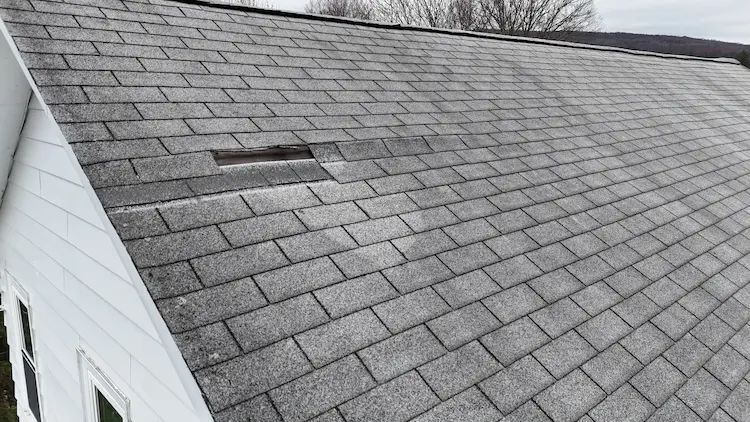
Missing shingles, curling, cracking, bald areas, repeated leaks, or problems across several sections deserve a closer look.
Decking, flashing, underlayment, ventilation, roof penetrations, and other components affect how the complete roofing system performs.
Typical Lifespan of an Asphalt Shingle Roof
Asphalt shingles do not all have the same construction or expected service life. Traditional 3-tab shingles use a thinner, single-layer design. Architectural shingles use laminated layers that create a thicker, dimensional shingle.
General lifespan charts are useful for budgeting and planning, but they should not be treated as a guarantee. A properly installed and ventilated roofing system may age very differently from one with installation, moisture, or ventilation problems.
3-Tab Asphalt Shingles
About 20 YearsInterNACHI lists approximately 20 years as a general estimated life expectancy for traditional 3-tab asphalt shingles.
Architectural Shingles
About 30 YearsArchitectural asphalt shingles are listed at approximately 30 years in the same general life-expectancy reference.
A Warranty Period and Actual Roof Life Are Not the Same Thing
Shingle warranty terminology can be confusing. A manufacturer warranty describes specific coverage and conditions. It should not be interpreted as a promise that every roof will remain problem-free for the entire warranty term.
Homeowners should review the actual warranty documents and consider the condition of the complete roofing system when evaluating an older roof. Review Owens Corning roofing warranty information.
8 Signs It May Be Time to Replace Your Roof
No single sign automatically means a complete replacement is necessary. Localized damage can often be repaired when the surrounding roofing remains in good condition.
The concern increases when several problems appear together or when similar deterioration is visible across multiple sections of the home.
Your Roof Is Older and Showing Widespread Wear
Age becomes more important when it is combined with visible deterioration. An older roof with shingles that still lie flat, flashing that remains secure, and no recurring leaks is a different situation from one of the same age with cracking, granule loss, repairs, and moisture problems.
If you know approximately when the shingles were installed, that information provides useful context during an inspection. If the age is unknown, the condition of the materials can still provide clues about how the system is aging.
Shingles Are Missing, Cracked, Torn, or Damaged
A few damaged shingles after a storm do not necessarily mean the entire system needs replacement. When the surrounding material is still flexible and in good condition, a localized repair may be appropriate.
Widespread damage is different. Missing tabs, cracks, broken shingle corners, or wind damage appearing in several areas can indicate that the covering has become more vulnerable as a whole.
Shingles Are Curling, Cupping, or Buckling
Asphalt shingles are designed to lie relatively flat against the deck. Edges that are lifting, corners that are curling upward, or shingles developing waves and distortion deserve attention.
When curling or distortion is occurring throughout several sections, it can indicate substantial aging or another underlying problem contributing to deterioration.
There Is Widespread Granule Loss or Bald Shingle Areas
Asphalt shingles are covered with mineral granules that help protect the asphalt surface and give the shingles their finished appearance. Some loose granules are normal as shingles naturally weather.
The bigger concern is widespread loss that leaves obvious dark or bare-looking areas. Large amounts of granules repeatedly collecting in gutters can also be worth investigating, particularly on older shingles.
Leaks or Water Stains Keep Appearing Inside
A water stain does not automatically mean the entire roofing system has failed. Leaks can come from an isolated flashing problem, pipe boot, damaged shingle, chimney detail, wall intersection, or another specific location that may be repairable.
Repeated leaks in different areas are more concerning and can suggest that several parts of the system are beginning to develop problems.
The location of an interior stain also does not always identify the exact entry point. Water can travel along decking, framing, or other materials before becoming visible inside the home.
The Roof Deck Has Soft, Rotted, or Damaged Areas
Roof decking is the structural wood surface beneath the underlayment and shingles. Long-term moisture exposure can soften, delaminate, or rot portions of the wood.
Decking condition can be difficult to determine completely while the existing materials are still in place. During a full tear-off, the old material is removed so the wood can be inspected directly and damaged sections can be replaced before the new system is installed.
The Roofline Looks Sagged, Wavy, or Uneven
The surface should generally follow the structure beneath it. Noticeable dips, sagging sections, or significant waves can point to decking or structural conditions that deserve further evaluation.
Damaged decking, framing movement, moisture, older construction methods, or previous work can all create an uneven appearance.
You Are Repairing Different Areas Again and Again
Repairs make sense when there is an isolated problem and the surrounding material still has useful service life remaining.
The decision changes when one repair is followed by another problem in a different area. On an aging system, repeated repairs can indicate that several components are beginning to deteriorate.
At that point, it may make more sense to compare the cost and expected benefit of continued repairs with a properly planned replacement.
What Affects Roof Lifespan?
The shingle installed on the home matters, but it is only one variable. The same product can perform differently from one property to another because the complete system and the conditions around it are different.
Nail placement, starter shingles, flashing, underlayment, edge details, ridge cap, penetrations, and manufacturer instructions all matter.
A properly designed intake-and-exhaust ventilation system helps control heat and moisture conditions beneath the deck.
Wind, snow, ice, rain, sunlight, temperature changes, tree coverage, and storm exposure can affect how quickly different sections age.
Chimneys, walls, valleys, plumbing penetrations, skylights, and other transitions rely on properly installed flashing to manage water.
Weak, damaged, deteriorated, or uneven decking can create problems that cannot be corrected simply by installing new shingles over it.
Addressing damaged shingles, flashing, penetrations, and drainage issues before moisture spreads can help prevent a small problem from becoming a larger one.
How Northeastern Pennsylvania Weather Affects Roof Aging
Local weather and building design can influence how quickly different parts of a roofing system age.
These conditions do not affect every home the same way. Pitch, direction, ventilation, tree coverage, installation, and flashing details can cause one section to age differently from another.
Should You Repair the Roof or Replace It?
A complete replacement is not necessary every time something goes wrong. Localized repairs can be the right solution when the surrounding system remains in serviceable condition.
Replacement becomes more reasonable when deterioration is widespread, several different problems are developing at once, or repairs are becoming increasingly frequent.
A Repair May Make Sense When
Replacement May Make More Sense When
Do Not Make the Decision Based Only on Age
We have seen older roofing remain serviceable and younger systems with problems caused by installation, ventilation, flashing, storm damage, or other conditions. Age provides context; the actual condition helps determine what should happen next.
Why a 30-Year-Old Roof in Peckville Needed Replacement
On a roof replacement project in Peckville, PA, the existing roof was approximately 30 years old, and shingles were coming loose. The roof decking was original to the home and in poor condition.
A repair was not a practical long-term solution because the problems involved both the aging shingles and the wood beneath them. Patching individual shingles would not have addressed the poor condition of the underlying decking.
This is why we consider more than roof age when recommending full roof replacement. On this Peckville home, the combination of loose shingles and poor decking condition made replacement the more appropriate choice. Another roof of the same age may be in a different condition.
What Does Zenobi Roofing Look at When Evaluating a Roof?
When determining whether repair or replacement makes sense, we look beyond the visible age of the shingles. The goal is to understand what is happening across the complete roofing system.
Roof Conditions We Consider
Every home is different, so the inspection should match the design and condition of the property.
If replacement is needed, Zenobi Roofing completes full tear-off replacements rather than installing new shingles over the existing material. Removing the old roofing allows the exposed deck to be inspected and damaged wood to be addressed before the new system is installed.
Learn more about our roof replacement process or read our guide to the layers of an asphalt shingle roof .
Roof Lifespan Frequently Asked Questions
How long do architectural shingles typically last?
InterNACHI lists approximately 30 years as a general estimated life expectancy for architectural asphalt shingles. That number should be used as a planning reference rather than a guarantee. Installation, ventilation, climate, storm exposure, design, maintenance, flashing, and other conditions can shorten or extend useful service life.
How long do 3-tab shingles typically last?
InterNACHI's general life-expectancy reference lists approximately 20 years for traditional 3-tab asphalt shingles. Actual condition should still be evaluated rather than assuming every installation fails at the same age.
Does a lifetime shingle warranty mean the shingles last a lifetime?
No. Warranty terminology describes the manufacturer's specific coverage and conditions and is not the same as the expected service life of an installed roofing system.
Can a 20-year-old roof still be in good condition?
Yes. Age provides useful context, but it does not determine condition by itself. An older system may still be serviceable, while another can develop problems sooner because of installation, ventilation, storm damage, moisture, flashing, or other conditions.
Does a leak mean the entire roof needs to be replaced?
Not necessarily. Many leaks originate from a localized problem such as flashing, a pipe boot, a damaged shingle, or another transition. Replacement becomes more likely when leaks are recurring in several locations or are combined with widespread deterioration.
Is granule loss normal on asphalt shingles?
Some granule loss occurs naturally as asphalt shingles weather. Widespread bald areas, exposed asphalt, or heavy granule loss across older shingles can indicate more advanced deterioration.
How does Northeastern Pennsylvania weather affect shingle life?
Northeastern Pennsylvania homes experience snow, ice, freeze-and-thaw cycles, rain, summer heat, and wind. Proper installation, ventilation, ice protection, flashing, drainage, and prompt attention to damage are important parts of long-term performance.
Not Sure How Much Life Your Roof Has Left?
If your shingles are getting older or you are noticing several of these warning signs, an inspection can help determine what is actually happening before you decide between another repair and replacement.
Zenobi Roofing provides roof inspections, roof repair, and full tear-off roof replacement throughout Lackawanna County and surrounding Northeastern Pennsylvania communities.
Request a roof replacement estimate to discuss the condition of your roof and the next step for your home.
Recent Articles
Roofing Advice & Guides
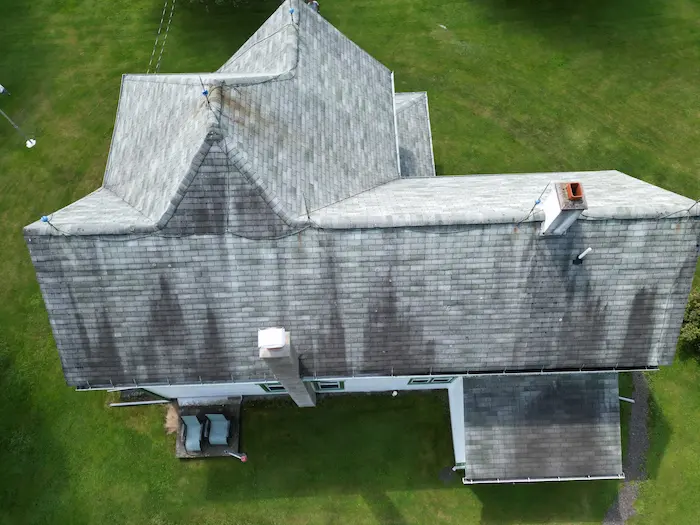
Black Streaks on Roof Shingles: What Causes Them?
Learn what causes black streaks on asphalt shingles, how they should be cleaned safely, and how algae-resistant shingles can help.
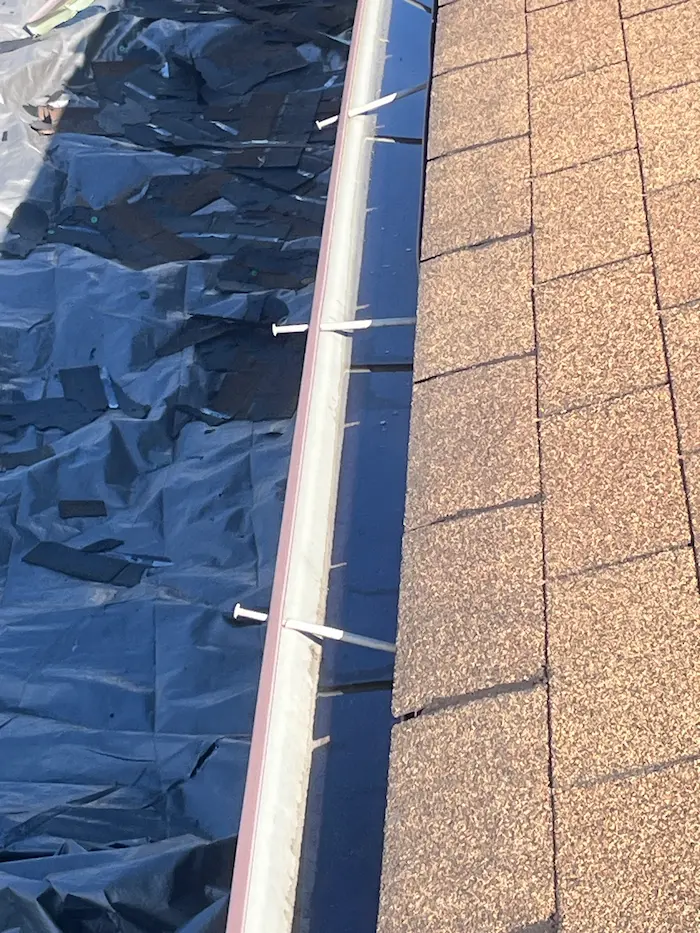
How Clogged Gutters Can Cause Hidden Water Damage
See how poor gutter drainage can affect fascia, soffits, siding, landscaping, and the area around your home's foundation.
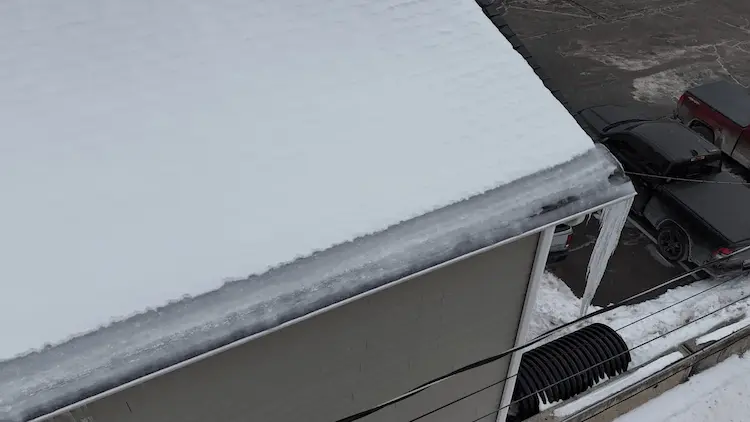
How to Prevent Ice Dams on Your Roof in Northeast Pennsylvania
Learn why ice dams form, how insulation and ventilation affect them, and what homeowners should do when ice builds along the roof edge.
Ready to Talk About Your Roof?
Contact Zenobi Roofing Inc. for roof replacement, roof repair, storm damage inspections, and gutter services throughout Archbald, Scranton, Clarks Summit, the Mid Valley, and surrounding NEPA communities.