Roofing Education
3-Tab Shingles vs Architectural Shingles: What’s the Difference?
When homeowners compare 3-tab shingles vs architectural shingles, the biggest differences are construction, appearance, product options, and price. Both are asphalt roofing shingles, but they do not create the same finished look or offer the same range of product features.
Three-tab shingles use a simpler, single-layer design with evenly spaced tabs. Architectural shingles use laminated layers and varied shapes to create a thicker, more dimensional appearance across the roof.
However, choosing a shingle is only one part of planning a roof replacement. The roof deck, ice protection, underlayment, flashing, ventilation, starter shingles, ridge cap, and installation details also affect how the finished roofing system performs.
Owens Corning describes 3-tab shingles as shingles with three equal-size tabs that create a symmetrical pattern. Architectural shingles are also called dimensional or laminated shingles because multiple layers create a more varied appearance. Read the Owens Corning guide to shingle types.
The Quick Answer
How Are 3-Tab and Architectural Shingles Different?
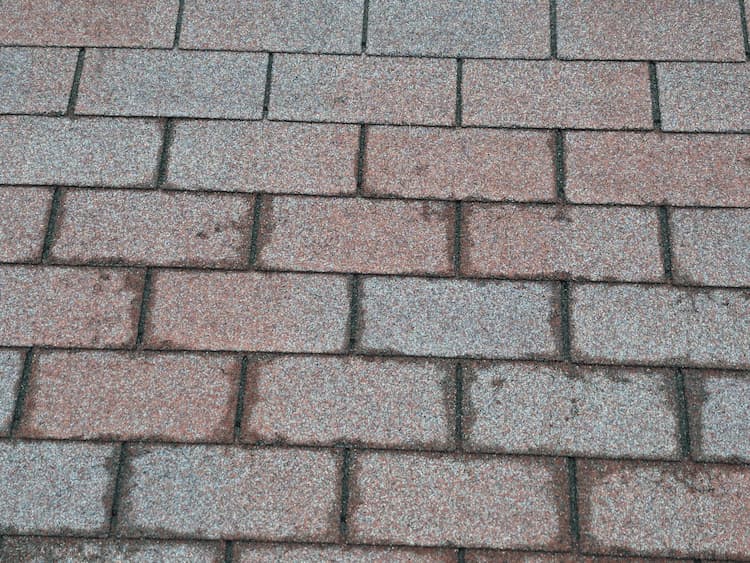
Three-tab shingles are single-layer asphalt shingles with three evenly sized tabs and a flatter, repeating appearance. Architectural shingles combine laminated layers and varied shapes to create more dimension. Architectural shingles usually cost more, but they also offer homeowners a broader range of appearance and performance options.
- 3-tab shingles have a simpler appearance. Their evenly sized tabs create straight, repeating rows across the roof.
- Architectural shingles create more dimension. Laminated layers and varied shapes produce a deeper, less uniform pattern.
- The exact product matters. Wind ratings, warranties, colors, and coverage vary by manufacturer, product line, roof system, and installation requirements.
What Are 3-Tab Shingles?
Three-tab shingles are traditional asphalt shingles made as a single shingle layer. Cutouts divide the exposed portion into three tabs that are approximately the same size.
Once installed, the tabs form straight, repeating rows across the roof. This gives a 3-tab roof a flatter and more uniform appearance than an architectural shingle roof.
Because the design uses less material and involves a simpler appearance, 3-tab shingles are commonly positioned as an economical asphalt shingle option. However, exact pricing depends on the product, local availability, labor, roof design, and the rest of the roofing system.
- Construction: A single-layer asphalt shingle design
- Appearance: Straight rows with a consistent repeating pattern
- Tabs: Three evenly sized exposed sections
- Position in the market: Generally considered a basic or economical asphalt shingle
What Are Architectural Shingles?
Architectural shingles are also called dimensional or laminated shingles. Manufacturers laminate multiple shingle layers together and vary the shapes of the exposed sections.
As a result, the roof has more depth and visual movement. Instead of creating perfectly even slots across every row, architectural shingles produce varying shadow lines and a thicker-looking finished surface.
GAF also describes architectural shingles as multilayer shingles that create a richer, multidimensional appearance. View the GAF shingle selection guide.
- Construction: Laminated shingle layers
- Appearance: Varied shapes, shadow lines, and greater dimension
- Product range: Many colors, styles, and performance packages
- Position in the market: A step above traditional 3-tab shingles
3-Tab Shingles vs Architectural Shingles Side by Side
3-Tab Shingles
- Single-layer shingle construction
- Three evenly sized exposed tabs
- Flat and uniform roof appearance
- Straight repeating pattern
- Generally lower initial material cost
- Product selection may be more limited
Architectural Shingles
- Laminated multilayer construction
- Varied shapes and shadow lines
- Thicker and more dimensional appearance
- Broader range of colors and styles
- Generally higher initial material cost
- More product and performance options
Which Shingle Looks Better on a Home?
Appearance is one of the easiest differences to see. Three-tab shingles create a clean and consistent pattern, but the finished roof usually looks flat because every tab follows the same shape.
Architectural shingles break up that repeating pattern. Their varied shapes and laminated construction create shadow lines that make the roof look thicker and more dimensional.
In addition, architectural shingles often give homeowners more color variation. Blended granules can create contrast that complements siding, brick, stone, shutters, and trim.
View shingles on an actual roof when possible
A small sample board cannot show exactly how a color will look across an entire home. Sunlight, roof pitch, siding color, shadows, and surrounding homes can all change the way a shingle color appears.
Do Architectural Shingles Cost More Than 3-Tab Shingles?
Architectural shingles generally cost more than traditional 3-tab shingles because they use laminated layers and more material. However, the shingle price alone does not determine the cost of replacing a roof.
Tear-off, disposal, roof size, pitch, height, decking condition, flashing, ventilation, ice protection, underlayment, starter shingles, ridge cap, labor, and property access can affect the final estimate much more than the difference between two shingle packages.
Therefore, homeowners should compare the complete written scope instead of choosing an estimate only because one contractor lists a lower-cost shingle.
- Roof size: Larger roofs require more shingles, accessories, labor, and disposal.
- Roof complexity: Valleys, dormers, chimneys, walls, and steep slopes add detailed work.
- Decking condition: Damaged wood may need replacement after tear-off.
- Roof accessories: Starter, ridge cap, flashing, underlayment, and ice protection all matter.
- Ventilation: Intake and exhaust ventilation may need to be corrected or improved.
Are Architectural Shingles Stronger Than 3-Tab Shingles?
Architectural shingles generally contain more material than basic 3-tab shingles. Many architectural product lines also include performance features and warranty options that basic shingle lines may not offer.
Still, homeowners should not assume that every architectural shingle has the same wind rating, warranty, impact classification, or installation requirement. Those details vary by manufacturer and product line.
Installation also matters. Correct nail placement, proper starter shingles, deck preparation, roof-edge details, flashing, and ventilation all affect the finished roof.
The Product Label Does Not Replace Proper Installation
A more expensive shingle cannot correct damaged decking, poor flashing, blocked ventilation, missing ice protection, or improper fastening.
For that reason, homeowners should compare the entire roofing system and the written installation scope, not just the style printed on the shingle wrapper.
How Do Shingle Warranties Compare?
Shingle warranty language varies considerably. Coverage may depend on the product line, roof accessories, installation requirements, contractor qualification, registration, ownership, and the warranty level selected.
A longer warranty term does not always mean every part of the roof receives full coverage for that entire period. Some warranties reduce coverage over time, while qualifying system warranties may provide broader protection during specific coverage periods.
Before choosing a shingle, ask for the actual manufacturer warranty documents and review what they say about materials, labor, tear-off, disposal, transferability, registration, and exclusions.
Do not assume every architectural shingle carries the same coverage.
Starter, underlayment, ridge cap, ventilation, and ice protection may be part of a manufacturer roofing-system requirement.
Nail placement, roof slope, deck condition, and accessory use can affect warranty eligibility.
Are 3-Tab or Architectural Shingles Easier to Repair?
A localized repair may be possible with either style when the surrounding roof remains in good condition. However, matching an older roof can be difficult because shingles fade, collect dirt, lose granules, and change appearance after years of weather exposure.
Product availability can also change. A manufacturer may discontinue a color or product line, which can make an exact match difficult even when the damaged area is small.
Architectural shingles may hide a slight color variation better because the roof already contains blended colors and irregular shadow lines. Even so, no contractor should promise an invisible repair on a weathered roof.
The Shingles Are Only One Part of the Roof
Homeowners naturally focus on the visible shingles. However, a complete asphalt shingle roof includes several materials working together from the roof deck upward.
Two estimates may list the same architectural shingle but include very different underlayment, flashing, ventilation, starter, ridge cap, decking, cleanup, and workmanship details.
What a Complete Roof Replacement May Include
The exact scope should match the design and condition of the home.
- Complete tear-off of existing roofing
- Inspection of the exposed roof deck
- Replacement of damaged decking when needed
- Ice and water protection in required areas
- Synthetic roof underlayment
- Aluminum drip edge
- Manufacturer starter shingles
- Architectural field shingles
- Matching hip-and-ridge shingles
- Pipe boots and roof penetrations
- Chimney and wall flashing details
- Balanced intake and exhaust ventilation
- Property protection and debris removal
- Magnetic nail sweeps and final cleanup
Learn more about the materials underneath and around the shingles in our guide to the layers of an asphalt shingle roof .
What Type of Shingles Does Zenobi Roofing Install?
For most sloped residential roof replacements, Zenobi Roofing Inc. installs Owens Corning TruDefinition Duration architectural shingles as the standard shingle choice.
We pair the field shingles with matching Owens Corning starter shingles and hip-and-ridge shingles. We also address the roof deck, ice and water protection, synthetic underlayment, drip edge, flashing, pipe boots, and ventilation according to the roof design and written scope.
Zenobi Roofing completes full tear-off replacements rather than installing new shingles over an existing roof. Removing the old roofing allows us to inspect the deck and address damaged wood before installing the new system.
Review our full tear-off roof replacement process for more information.
What Should You Ask Before Choosing a Shingle?
A contractor should identify the actual manufacturer and product line instead of writing only “architectural shingles” on the estimate.
In addition, the estimate should explain the materials and installation details that support the shingles.
- Which manufacturer and exact shingle line will be installed?
- Is the shingle 3-tab, architectural, or designer?
- Which starter and ridge-cap products are included?
- Where will ice and water protection be installed?
- What type of underlayment will cover the roof deck?
- How will damaged decking be handled and priced?
- Will flashing be replaced or reused?
- How will intake and exhaust ventilation be reviewed?
- Which manufacturer warranty is included?
- What workmanship warranty does the contractor provide?
3-Tab Shingles vs Architectural Shingles FAQs
What is the main difference between 3-tab and architectural shingles?
Three-tab shingles use a single-layer design with three evenly sized tabs. Architectural shingles use laminated layers and varied shapes to create a thicker and more dimensional appearance.
Are architectural shingles better than 3-tab shingles?
Architectural shingles generally provide more dimension and a broader range of product options. However, the best choice depends on the specific product, budget, roof design, warranty, and installation scope.
Do architectural shingles last longer?
Many architectural product lines offer longer warranty periods or upgraded performance options compared with basic 3-tab products. Actual roof life still depends on installation, ventilation, weather, maintenance, flashing, deck condition, and the specific shingle.
Are architectural shingles more expensive?
Architectural shingles generally have a higher material cost because they use laminated layers and more material. The complete roof price also depends on roof size, pitch, tear-off, decking, flashing, ventilation, labor, access, and disposal.
Can architectural shingles replace an existing 3-tab roof?
Yes. After removing the existing roofing and preparing the roof deck, architectural shingles can commonly be installed as the new roofing material when the roof design and slope meet manufacturer requirements.
Does Zenobi Roofing install 3-tab shingles?
Zenobi Roofing Inc. generally uses Owens Corning Duration architectural shingles as the standard option for sloped residential roof replacements. Every roof is evaluated individually before the final scope and materials are confirmed.
Recent Articles
Roofing Advice & Guides
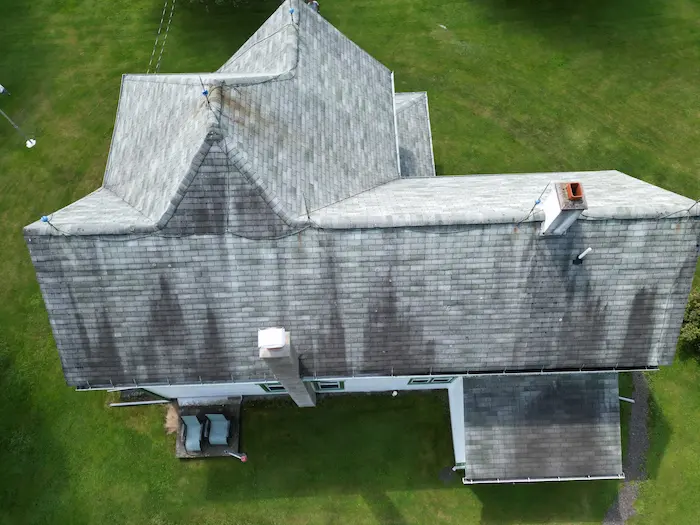
Black Streaks on Roof Shingles: What Causes Them?
Learn what causes black streaks on asphalt shingles, how they should be cleaned safely, and how algae-resistant shingles can help.
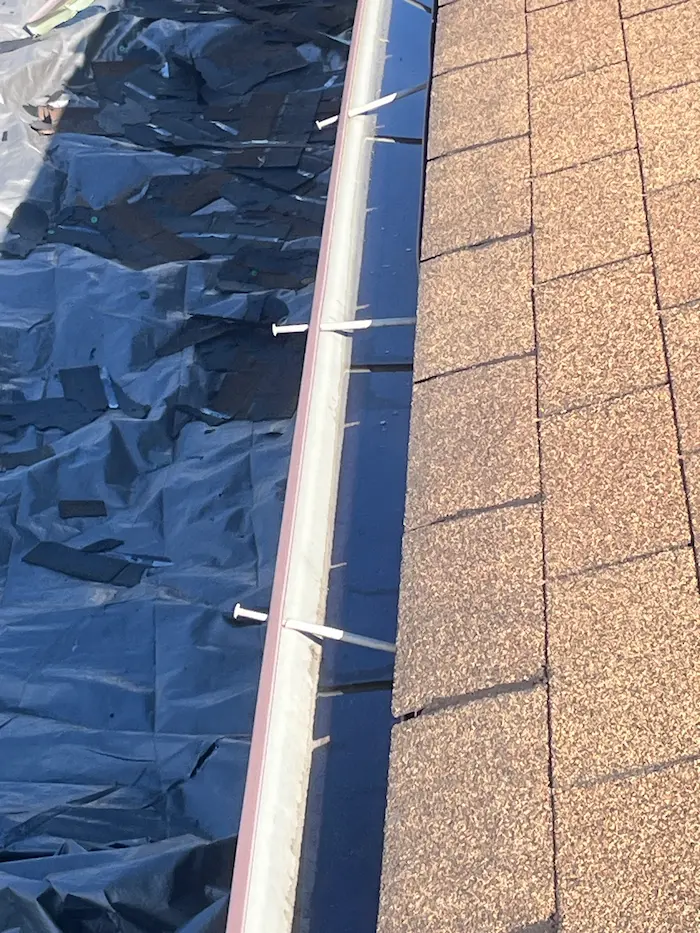
How Clogged Gutters Can Cause Hidden Water Damage
See how poor gutter drainage can affect fascia, soffits, siding, landscaping, and the area around your home's foundation.
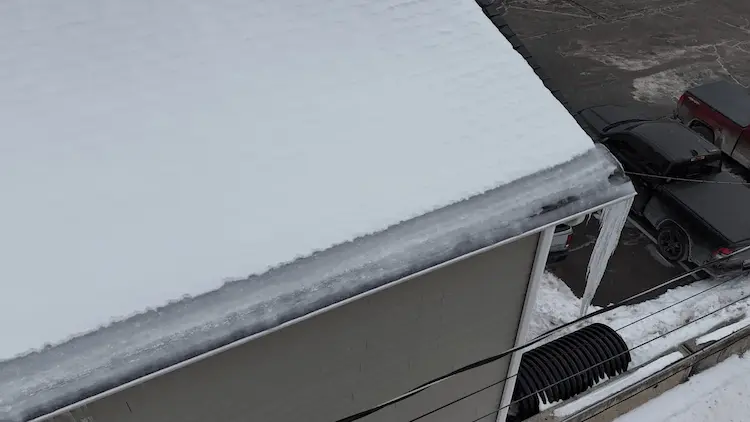
How to Prevent Ice Dams on Your Roof in Northeast Pennsylvania
Learn why ice dams form, how insulation and ventilation affect them, and what homeowners should do when ice builds along the roof edge.
Ready to Talk About Your Roof?
Contact Zenobi Roofing Inc. for roof replacement, roof repair, storm damage inspections, and gutter services throughout Archbald, Scranton, Clarks Summit, the Mid Valley, and surrounding NEPA communities.