
Roof Replacement
What Happens on Roof Replacement Day? A Homeowner Guide
Roof replacement day can look busy from the ground. Materials move around the property, old shingles come off, the wood deck becomes visible, and a new roofing system begins to take shape. Knowing the basic order of the work makes the process much easier to understand.
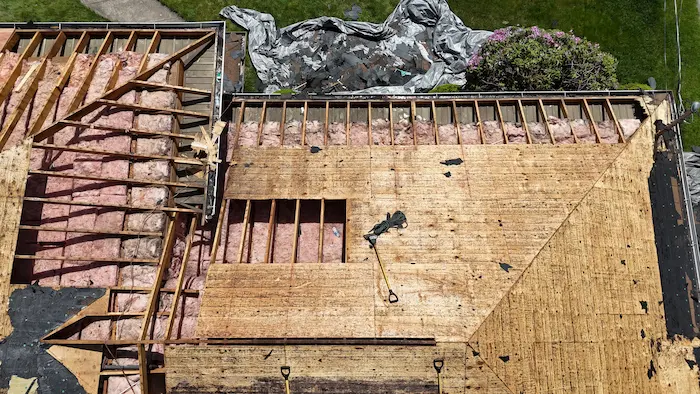
Roof replacement day usually starts with property setup and protection. The crew removes the old roofing, inspects the exposed roof deck, makes needed wood repairs, and installs the new roofing system. Cleanup takes place throughout the day. After installation, the property receives additional cleanup, magnetic nail sweeps, and a final review.
In This Article
Starting the Day
Before the Roofing Work Begins
A roofing crew does not simply arrive and start removing shingles. There is some setup first.
The crew needs room for materials, tools, equipment, and old roofing debris. They also need access to the areas around the house.
Property protection depends on the layout of the home. Landscaping, siding, windows, walkways, driveways, and outdoor items all need to be considered before work starts.
This is why homeowners should move vehicles and portable items before the crew arrives.
Our roof replacement preparation guide explains those steps in more detail.
The Process
A Typical Roof Replacement Day From Start to Finish
Every roof is different, but most asphalt shingle replacements follow the same basic order.
Old Roof Removal
The Existing Roofing Comes Off First
Zenobi Roofing completes residential asphalt shingle replacements as full roof removals. We do not install a new layer of shingles over an existing roof.
Removing the old roofing exposes the wood deck below. It also removes old shingles, underlayment, and other materials that would otherwise remain hidden beneath the new system.
Roof Removal Is Usually the Messiest Part
Old shingles are bulky. They also contain nails and loose granules. Removing them creates a large amount of debris in a short period of time.
The crew moves that material from the roof into the designated debris area while keeping the work zone organized.
Homeowners often notice the most activity during this stage because several parts of the roof may be in different stages of removal at the same time.
Removing the old roofing gives us access to the deck below. That allows hidden wood damage and previous leak areas to be found before new roofing covers them.
You can learn more in our guide about why full roof removal matters.
What Is Underneath
The Roof Deck Is Inspected After Removal
The wood decking becomes visible once the old roofing comes off.
This is an important point in the project because some conditions cannot be fully seen before removal.
The crew can look for soft wood, rotted areas, old leak damage, damaged roof edges, and other problems that affect the surface below the new roof.
Not Every Roof Needs Major Wood Replacement
Some roofs have sound decking and need little or no wood correction.
Other roofs may have a few damaged sheets or limited problem areas. Older homes may also have plank decking that needs additional review.
The amount of work depends on what the crew finds once the roof is open.
Damaged Wood Gets Addressed Before Moving Forward
New shingles need a suitable surface underneath them.
If damaged or unsuitable decking is found, that area should be corrected before the new roofing system covers it.
Extensive decking work can also affect how long the roof replacement takes.
Our roof replacement timeline guide explains the other factors that can change project timing.
New Roof Begins
Water Protection Goes Down Before the Shingles
Once the roof deck is ready, the new roofing system begins from the wood surface upward.
Shingles are only the outer layer. Water protection below them is an important part of the complete system.
Ice and Water Protection
Self adhering ice and water protection is used in vulnerable roof areas where extra protection is needed.
These areas may include roof edges, valleys, and other locations where water or winter ice can create added exposure.
Synthetic Underlayment
Synthetic underlayment covers the remaining roof deck before the field shingles are installed.
Once these layers go down, the exposed wood begins to disappear beneath the new roofing system.
Roof Details
Flashing and Ventilation Matter During Installation
The large open areas of a roof often move quickly. The detailed areas require more attention.
Chimneys, walls, valleys, plumbing pipes, roof edges, and ventilation points all affect how the roof manages water and air.
Flashing Helps Direct Water
Flashing protects transitions where shingles alone cannot properly manage water.
These areas need to work with the roof layout rather than simply being covered by the new shingles.
Ventilation Is Part of the Roof System
Roof replacement also provides an opportunity to address the ventilation components included in the project.
Proper intake and exhaust work together to help manage heat and moisture in the attic.
These details may not stand out when a homeowner looks at the finished roof from the street, but they remain important parts of the installation.
Finished Surface
The New Shingles Begin to Change the Look of the House
Once the deck preparation and protection layers are in place, the visible roof begins to take shape.
Starter shingles are installed where required, followed by the architectural shingles across the roof slopes.
Matching ridge cap materials finish the ridge and hip areas included in the roofing system.
Different Parts of the Roof May Be at Different Stages
On a larger roof, one section may already have shingles while another section is still being prepared.
This does not mean steps are being skipped. Crews often work in sections so they can keep the project moving while managing exposed roof areas.
The exact sequence depends on the size, shape, and layout of the home.
Throughout the Day
Cleanup Happens While the Roof Is Being Installed
Cleanup should not wait until every shingle is installed.
Roof replacement creates old shingles, nails, packaging, flashing scraps, underlayment pieces, and other debris throughout the workday.
Keeping that material organized makes the jobsite easier to work around. It also makes the final cleanup more manageable.
The Property Is Still an Active Work Area
Even with ongoing cleanup, homeowners should treat the area around the house as a construction zone until the project is finished.
Keep children and pets away from the work area. Avoid walking through debris or equipment unless necessary.
Finishing the Job
The Last Shingle Does Not Mean the Job Is Finished
The roofing installation may look complete from the street, but the crew still has work to do.
Tools, packaging, old materials, loose debris, and nails need to be removed from the property.
Zenobi Roofing uses magnetic nail sweeps around the yard, driveway, walkways, and other areas around the home as part of the cleanup process.
An Owner Reviews the Property
After the roofing work and crew cleanup are complete, an owner performs a final property inspection and additional cleanup review.
The goal is to check both the completed work and the condition of the property before the project is considered finished.
This final step matters because a roof replacement should leave the home protected without leaving the property looking like a construction site.
Your Role
What Does the Homeowner Need to Do During Roof Replacement?
Once the crew starts working, homeowners usually do not need to manage the roofing process.
You also do not need to stay outside and watch the work.
The most helpful thing you can do is remain reachable in case a question comes up.
Hidden Conditions May Require a Conversation
Roof removal can uncover wood damage or other conditions that were not visible during the initial inspection.
If something important is found, the contractor may need to explain the condition and discuss the next step with you.
Keeping your phone nearby makes those conversations easier and prevents unnecessary delays.
You Can Usually Leave the House
Homeowners generally do not need to remain home simply because the roof is being replaced.
Many people prefer to leave because of the noise and vibration.
We will cover that question in more detail in the next article in this series about whether you can stay home during a roof replacement.
The Bottom Line
Roof Replacement Day Follows a Clear Process
From the ground, roof replacement can look like many things are happening at once.
The basic process is much simpler when you break it into stages.
The crew prepares the property, removes the old roof, checks the wood, installs the protection layers, completes the roofing system, and cleans the property.
The final review comes after the installation and cleanup are complete.
Zenobi Roofing completes residential asphalt shingle replacements as full roof removals so the roof deck can be inspected before the new system goes on. You can learn more about our complete roof replacement process.
FAQs
Roof Replacement Day Questions
What time does roof replacement usually start?
Roofing crews often begin early so they can make the most of the available workday. The exact arrival and start time depends on the project, material delivery, weather, and current schedule.
Does the entire old roof come off?
Zenobi Roofing completes residential asphalt shingle replacements as full roof removals. Removing the existing roofing allows the wood deck underneath to be inspected before the new roofing system is installed.
What happens if damaged wood is found?
Damaged or unsuitable decking needs attention before the new roofing system covers that area. The amount of wood repair depends on what becomes visible after the old roofing is removed.
Do shingles go directly on the wood roof deck?
No. The roofing system includes water protection and underlayment between the prepared roof deck and the field shingles. Flashing, ventilation, starter shingles, and ridge materials also form part of the complete system.
Can I leave home while my roof is being replaced?
In most cases, yes. Homeowners usually do not need to remain home to supervise the roofing crew. Make sure the contractor can reach you if a question or hidden condition comes up during the project.
Is roof replacement very noisy inside the house?
Yes. Removing old roofing, walking on the roof, and fastening the new materials creates noticeable noise and vibration inside the home.
What happens after the roof is installed?
The crew removes roofing debris, tools, packaging, and loose materials. Zenobi Roofing also performs magnetic nail sweeps and a final property review before the project is considered complete.
Ready to Talk About Your Roof?
Contact Zenobi Roofing Inc. for roof replacement, roof repair, storm damage inspections, and gutter services throughout Archbald, Scranton, Clarks Summit, the Mid Valley, and surrounding NEPA communities.