
Do You Need New Gutters When Replacing Your Roof?
Gutters
Do You Need New Gutters When Replacing Your Roof?
5 min read · Posted 6/01/2026
When homeowners replace a roof, they often wonder whether the gutters should be replaced at the same time.
The answer depends on the condition of the gutters, fascia, downspouts, drainage areas, and whether the current gutter system is still moving water away from the home properly.
This guide explains when new gutters may make sense during a roof replacement, what signs to look for, and how gutters help protect the roofline, siding, landscaping, and foundation.
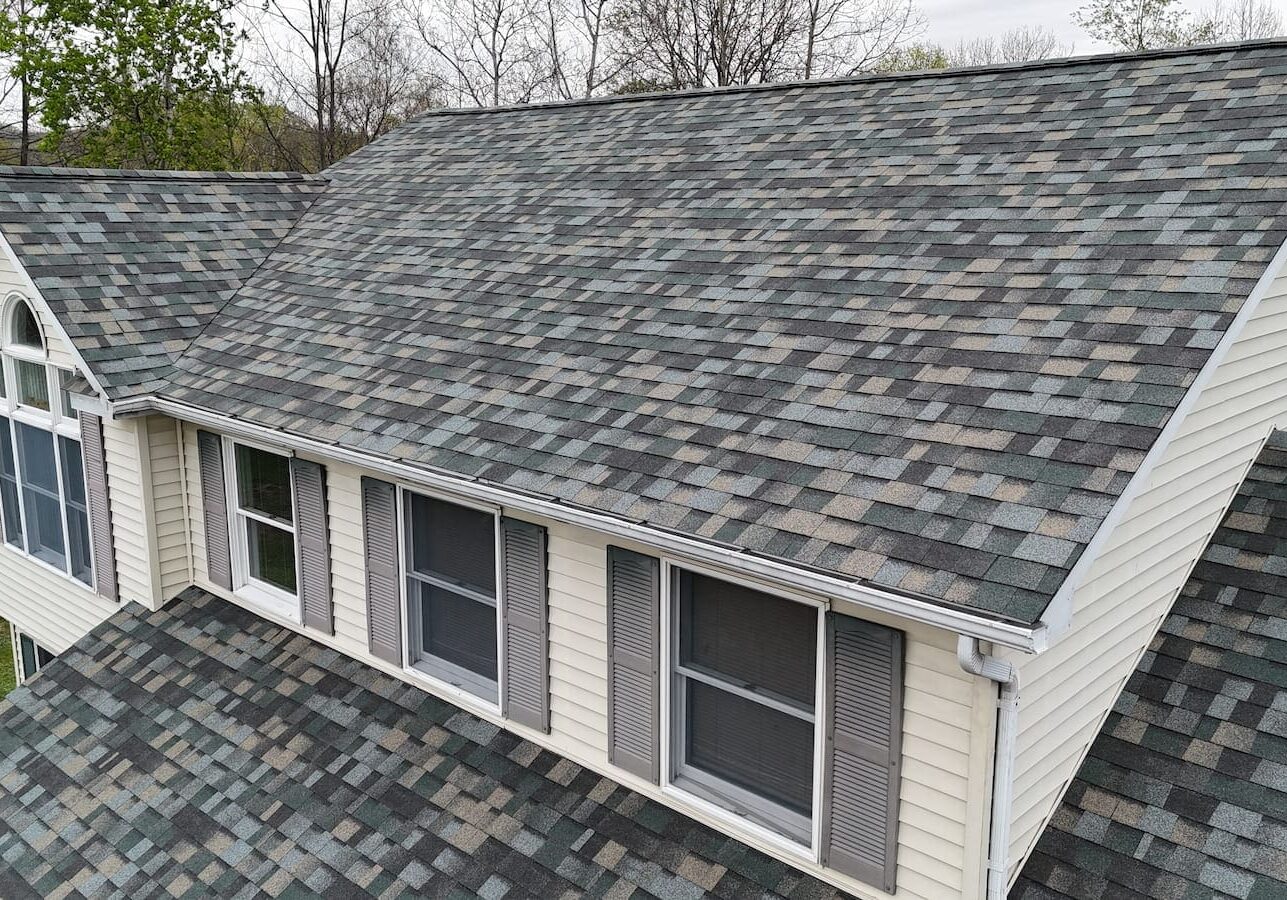
Should Gutters Be Replaced With a New Roof?
Gutters do not always need to be replaced when a roof is replaced. However, it can make sense if the gutters are old, leaking, sagging, pulling away from the fascia, or not draining properly.
A roof replacement is a good time to look at the entire roofline. If the gutters are already damaged or the fascia needs attention, replacing the gutters during the roof project can help create a cleaner finished result.
New gutters may make sense with a roof replacement when:
• The gutters are leaking at seams or corners
• Gutters are sagging or pulling away from the fascia
• Downspouts are not moving water far enough away
• Water is overflowing during heavy rain
• Fascia boards are being repaired or replaced
• The existing gutters are dented, damaged, or undersized
• You want the roofline to have a cleaner finished appearance
If the gutters are still working properly and in good condition, they may not need to be replaced. The best answer depends on the condition of the gutter system and the home.
Signs You May Need New Gutters
Gutter problems are not always obvious at first. Some gutters still look attached from the ground but may be leaking, sagging, overflowing, or failing to move water away from the home properly.
When gutters stop working the way they should, water can collect around the roofline, fascia, siding, walkways, landscaping, and foundation.
Signs you may need new gutters include:
• Leaking seams or corners
• Gutters sagging or pulling away from the fascia
• Water overflowing during heavy rain
• Water collecting near the foundation
• Staining on siding or fascia
• Loose or damaged downspouts
• Dented or damaged gutter sections
• Rust, separation, or gaps
• Fascia damage near the gutter line
• Gutters that no longer match the condition of the new roof
If you are already replacing the roof, it is a good time to look at the gutters and decide whether they should be repaired, replaced, or left alone.
How Gutters Protect the Roofline
Gutters help control where water goes after it leaves the roof. Without proper drainage, rainwater can run down the fascia, siding, windows, walkways, landscaping, and foundation.
A working gutter system helps move water away from the roof edge and reduce moisture problems around the home.
Gutters help protect:
• Fascia boards
• Soffit areas
• Roof edges
• Siding
• Windows and doors
• Landscaping
• Walkways
• Basement areas
• The foundation
When gutters are leaking, overflowing, or pulling away, water can end up where it should not. That is why it is important to look at the gutter system when planning a roof replacement.
Why Fascia Condition Matters
Fascia is the board along the roof edge where gutters are often attached. If the fascia is soft, rotted, or damaged, the gutters may not fasten properly or hold up the way they should.
During a roof replacement, the roof edge and fascia areas may be easier to inspect. If gutter problems are caused by damaged fascia, simply replacing the gutters without addressing the wood may not solve the issue.
Fascia condition matters because:
• Gutters need a solid surface to fasten to
• Rotted fascia can cause gutters to sag or pull away
• Water can get behind gutters and damage the wood
• Damaged fascia can affect the finished roofline
• Fascia repairs may be easier to coordinate during roof work
• New gutters should not be installed over weak or damaged wood
If fascia damage is found, it should be discussed before installing or reinstalling gutters.
How Downspouts Affect Drainage
Downspouts are an important part of the gutter system because they move water from the gutters down and away from the home.
Even if the gutters are in good condition, poor downspout placement can still cause water to collect near the foundation, walkways, basement areas, or landscaping.
Downspout issues can include:
• Downspouts ending too close to the foundation
• Loose or damaged downspout sections
• Water discharging onto walkways or problem areas
• Not enough downspouts for the roofline
• Downspouts that are clogged or disconnected
• Water pooling near the home after heavy rain
• Drainage that does not move water far enough away
When replacing gutters, it is important to look at where the water is going, not just whether the gutters look clean from the outside.
When Gutters Can Wait
New gutters do not always need to be installed with a roof replacement. If the existing gutters are working properly, attached securely, draining well, and not causing water problems, they may be able to stay in place.
The goal is to make the right decision for the home, not replace parts that are still doing their job.
Gutters may be able to wait when:
• They are not leaking
• They are not sagging or pulling away
• Downspouts are draining water away from the home
• Fascia boards are solid
• Water is not overflowing during rain
• There are no major dents, gaps, or damaged sections
• The gutters still match the condition of the home
• Replacing them would not add much benefit
During a roof estimate, the gutter system can be looked over so homeowners understand whether replacement should be considered or whether the existing gutters can remain.
Gutters With Roof Replacement Checklist
When replacing a roof, it is a good time to look at the condition of the gutter system and how water is draining around the home.
Before deciding whether to replace the gutters, check:
• Are the gutters leaking?
• Are they sagging or pulling away from the fascia?
• Is water overflowing during heavy rain?
• Are downspouts moving water far enough away?
• Is water collecting near the foundation?
• Are there stains on the siding or fascia?
• Are the fascia boards solid?
• Are there loose, damaged, or disconnected downspouts?
• Do the gutters still look right with the new roof?
• Would replacing them now create a cleaner finished roofline?
New gutters are not always necessary with a roof replacement, but they should be considered if the existing system is damaged, poorly draining, or affecting the roofline.
Gutters With Roof Replacement FAQs
Do I need new gutters when replacing my roof?
Not always. New gutters may make sense if the existing gutters are leaking, sagging, pulling away, damaged, or not draining properly. If the gutters are still working well, they may be able to stay in place.
When should gutters be replaced with a roof?
Gutters should be considered during a roof replacement if they are damaged, poorly draining, causing fascia problems, or if the homeowner wants a cleaner finished roofline.
Can old gutters damage a new roof?
Old gutters do not automatically damage a new roof, but gutters that are overflowing, pulling away, or allowing water behind the gutter can create problems around the roof edge, fascia, siding, and foundation.
Why does fascia matter when replacing gutters?
Fascia is the board along the roof edge where gutters are often attached. If the fascia is soft, rotted, or damaged, new gutters may not fasten properly until the wood issue is addressed.
Can gutters be replaced later?
Yes. Gutters can be replaced after the roof if the existing system is still working properly. However, if gutter or fascia problems are already present, it may be easier to coordinate the work during the roof project.
Explore More Roofing Articles
Want to learn more about roof replacement, roof repair, storm damage, gutters, and common roofing questions?
Visit the Zenobi Roofing blog for helpful homeowner guides and local roofing information for Lackawanna County and surrounding NEPA communities.
Visit the Zenobi Roofing blog for helpful homeowner guides and local roofing information for Lackawanna County and surrounding NEPA communities.
Replacing Your Roof and Wondering About Gutters?
If your gutters are leaking, sagging, pulling away, or not draining properly, Zenobi Roofing Inc. can look at the roofline and explain whether gutter replacement should be considered with your roof project.
We provide roof replacement, roof repair, and gutter installation services throughout Lackawanna County and surrounding NEPA communities.